0%

eCommerce App Features That Increase Sales in 2026

Introduction

eCommerce app features are becoming the biggest factor behind mobile commerce growth in 2026, where mobile eCommerce is projected to account for approximately 73% of all global eCommerce sales. Despite this significant traffic dominance, the average mobile app currently converts at under 2%, while desktop conversion rates are closer to 3.9%. This disparity indicates that the issue is not with traffic volume but with the features of mobile apps.

eCommerce app features

The businesses closing that gap are the ones building smarter eCommerce app features instead of relying only on ads or influencer campaigns. They are the ones that have built their ecommerce apps around the right features, features engineered to remove friction, increase confidence, and drive repeat purchases at every stage of the buying journey.

The evidence is compelling: shopping apps convert at nearly 3x the rate of mobile websites. The difference lies not in the platform itself but in what it is built to do. One-tap checkout removes the checkout barrier. AI-powered personalization surfaces the right product at the right moment. Buy Now, Pay Later integration unlocks larger basket sizes. These are not UX niceties. They are revenue levers.

This guide breaks down the best eCommerce app features that directly increase sales, improve retention, and boost conversions in 2026, backed by conversion data, ROI benchmarks, and practical vendor selection criteria so your next build delivers measurable business results.

Key eCommerce App Features That Increase Sales

  • AI-Powered Search and Product Discovery
  • Dynamic Personalization Engine
  • One-Tap Checkout and Mobile Wallets
  • Buy Now, Pay Later (BNPL) Integration
  • AR-Based Product Visualization
  • Behavior-Triggered Push Notifications
  • In-App Loyalty and Rewards Program
  • Social Commerce and Shoppable Video Integration
  • Real-Time Order Tracking with Automated Updates
  • Performance Optimization and Sub-3-Second Load Times

What Makes eCommerce App Features Increase Sales?

Revenue Impact vs. Engagement Impact

Not all app features are created equal, and the distinction matters more than most development briefs acknowledge. There are two categories of features: those that improve engagement (time on app, session depth, browse volume) and those that improve revenue (conversion rate, average order value, cart recovery, and repeat purchase rate). The two overlap, but they are not the same.

What Is eCommerce?

eCommerce, short for electronic commerce, is the buying and selling of goods and services over the internet. It covers everything from a single-brand D2C store selling directly to consumers, to large multi-vendor marketplaces, to B2B platforms managing bulk orders between businesses.

What began as basic online storefronts has evolved into a sophisticated, mobile-first ecosystem. In 2026, eCommerce is not just a sales channel, it is the primary commerce channel for a majority of global consumers, with mobile devices driving approximately 73% of all online transactions.

For businesses, eCommerce removes geographical barriers, reduces overhead compared to physical retail, and enables 24/7 selling at scale. For consumers, it offers convenience, price transparency, and an increasingly personalized shopping experience.

Engagement metrics are vanity metrics unless they can be traced back to revenue. A feature that keeps users browsing for longer but does not improve checkout completion is a cost center, not a growth driver. A high-sales feature must directly improve at least one of the following:

  • Conversion rate – the percentage of sessions that result in a completed purchase
  • Average order value (AOV) – how much each buyer spends per transaction
  • Repeat purchase rate – how often buyers return to buy again
  • Cart recovery rate – how effectively abandoned sessions are converted to sales

Every feature is evaluated against that framework. If it cannot move one of these four dials, it does not belong on your priority roadmap.

Must-Have eCommerce Mobile App Features for Startups

eCommerce app features

For startups entering the eCommerce space, the priority is not building everything; it is building the right things first. These five features deliver the highest impact at the earliest stage, helping new apps acquire users, reduce friction, and drive repeat purchases without overcomplicating the initial build. 

Push Notifications: 

For startups with limited marketing budgets, push notifications are the most cost-effective retention tool available. A well-timed, behavior-triggered message, a cart reminder, a back-in-stock alert, or a personalised offer, brings users back to the app without any paid media spend, delivering direct revenue attribution at near-zero cost per conversion.

Mobile Wallets: 

Checkout friction is where startups lose the most revenue, and mobile wallet integration is the most direct fix. Supporting Apple Pay, Google Pay, and similar options removes the biggest barrier at the point of purchase, manual card entry. For a new app that has not yet built brand trust, one-tap checkout signals credibility and significantly reduces abandonment at the final step.

Product Reviews:

Trust is a startup’s most significant competitive disadvantage against established brands, and product reviews are the most practical way to close that gap. Displaying genuine buyer ratings and written feedback directly on product pages reduces purchase hesitation and provides the social proof that a new brand cannot yet generate through reputation alone. Reviews also produce fresh, keyword-rich content that supports organic search visibility over time.

Wishlist: 

A wishlist captures purchase intent from users who are interested but not yet ready to buy. Users who save products are warm leads; they have expressed clear interest and are substantially more likely to return and complete a purchase than a passive browser. For startups, wishlist data also reveals which products generate the strongest demand, informing inventory planning and promotional strategy before significant budget is committed.

Personalization:

Even at an early stage, basic personalization, recently viewed products, browse-based recommendations, and individually targeted push messages make the app feel relevant to each user rather than generic. Relevance reduces bounce rate, increases session depth, and builds the habit loop that converts first-time buyers into repeat customers. A sophisticated AI engine is not required on day one; meaningful personalization begins with smart application of the behavioral data the app is already collecting.

10 eCommerce App Features That Drive the Highest Sales in 2026

eCommerce app features

1. AI-Powered Search for eCommerce Apps 

Users who actively search for products convert at rates 2 to 3 times higher than those who simply browse. This single data point highlights that AI-powered search is one of the most valuable features in eCommerce app development today. The difference between a user who knows exactly what they want and can find it instantly, and one who leaves because the search yields zero results or irrelevant products, is crucial; it’s the difference between generating revenue and losing potential customers.

Modern AI-powered search goes well beyond keyword matching. It encompasses natural language search (allowing users to type queries like “floral summer dress under 2000”), visual search (enabling product discovery by uploading a photo), typo tolerance that ensures a misspelled query still returns the right result, and behavioral ranking that learns from individual and aggregate purchase patterns to surface the most relevant products first.

For e-commerce apps with large catalogs, this feature is not optional. Findability is the first conversion lever, and every failure at the search layer is a lost sale.

2. Personalization Features in eCommerce Apps 

Personalization is the feature category with the most consistently documented revenue impact. On average, personalization lifts revenue by 10 to 15%. Among top performers, the impact is significantly higher; some brands report 40% more revenue from personalized experiences compared to generic ones. Amazon attributes more than 35% of its total revenue to its recommendation engine alone.

In an eCommerce app, a dynamic personalization engine means more than a “you might also like” row at the bottom of a product page. A strong personalization engine dynamically rearranges the homepage based on browsing and purchase history. It also updates product feeds in real time as users engage with products. Personalized push notifications, banners, and promotional offers then help surface products users are genuinely interested in, not what is easiest to promote.

The data is clear: users who see relevant content buy more, buy more often, and churn less. A personalization engine is not a nice-to-have feature for 2026; it is the competitive baseline in high-performing ecommerce apps.

3. One-Tap Checkout for eCommerce Apps 

Checkout abandonment is where eCommerce revenue dies. Every additional second of load time at the checkout stage costs approximately 7% in conversions. Every additional form field that a user must fill out manually increases the probability of drop-off. One-tap checkout and mobile wallet integrations are the most direct solution to this problem.

Apple Pay, Google Pay, and Shop Pay have redefined what checkout should feel like on mobile. Shop Pay, in particular, has been documented to deliver up to a 50% conversion lift compared to guest checkout flows. The mechanism is simple: stored payment credentials, pre-filled shipping information, and biometric authentication eliminate the manual data entry that kills mobile conversions.

For any eCommerce app targeting a mobile-first audience in 2026, one-tap checkout is not an advanced feature. It is the minimum standard. The cost of not having it is measurable in lost revenue per session.

4. Buy Now, Pay Later (BNPL) Integration

Buy Now, Pay Later is no longer a payment trend. It is a mainstream consumer expectation that directly influences purchase decisions and basket size. BNPL raises the average basket value by 20 to 50% per transaction. Consumers who use BNPL spend 72% more per transaction than those paying in full upfront. Stripe’s test data across more than 150,000 sessions shows a 14% revenue lift per checkout session when BNPL is offered.

The mechanism is straightforward: BNPL removes the price objection at the point of conversion. A customer who would have abandoned a $8,000 sofa purchase instead spreads the cost into manageable installments and checks out. For fashion, electronics, furniture, and any category with higher average price points, BNPL is a direct conversion lever.

The major BNPL providers – Klarna, Afterpay, Affirm, and regional equivalents- offer well-documented SDK integrations for both iOS and Android. The build cost is relatively low, and the revenue impact is among the most immediately measurable of any feature in this guide.

5. AR-Based Product Visualization

Augmented reality product visualization addresses one of the most fundamental barriers to e-commerce conversion: the inability to see how a product looks in context. According to Shopify’s published data, merchants using AR features see a 94% higher conversion rate and a 40% reduction in return rates compared to those using standard product images alone.

The use cases are strongest in fashion (see how a jacket fits), furniture and home decor (place a sofa in your living room using your phone camera), beauty (try on a lipstick shade), and accessories. These are the categories where “I am not sure how it will look” drives the most abandonment.

AR is no longer prohibitively expensive or technically exotic. WebAR and native ARKit/ARCore implementations have matured significantly. The build cost has come down, and for the right product categories, the ROI case is exceptionally strong: higher conversion, fewer returns, and a differentiated experience that generic competitors cannot easily replicate.

6. Behavior-Triggered Push Notifications

Push notifications remain one of the highest-ROI channels in eCommerce when executed correctly. Well-designed, behavior-triggered push campaigns achieve open rates of 20 to 30% with direct, measurable revenue attribution. Among all push notification types, abandoned cart recovery delivers the highest return on investment, converting a session that was already lost into a completed sale.

The keyword is “behavior-triggered.” Generic broadcast blasts, discount alerts sent to your entire user base simultaneously, are the single fastest way to drive uninstalls. Users who receive irrelevant notifications at inconvenient times delete the app within a week. Behavior-triggered push, by contrast, responds to what individual users have actually done: viewed a product multiple times, added to cart and not checked out, or not opened the app in 14 days.

The right push notification strategy requires a segmentation engine that connects behavioral data to message timing and content. Done correctly, push notifications rival email in direct revenue attribution while operating at a fraction of the cost per conversion.

7. In-App Loyalty and Rewards Program

The economics of eCommerce favor retention over acquisition, and loyalty programs are the most effective structural mechanism for increasing repeat purchase rate. Among top Shopify merchants, a well-implemented loyalty program correlates with a 44% repeat purchase rate, compared to industry averages closer to 25 to 30% for apps without a structured retention mechanism.

In-app loyalty programs do not need to be complex to be effective. Points for purchases, cashback on specific categories, tier-based rewards that create aspiration, and app-exclusive perks that make the app itself worth keeping installed are all proven formats. The highest-performing programs connect loyalty data to the personalization engine  so a returning user’s homepage reflects their status, their rewards balance, and products aligned to their history.

Loyalty programs also generate first-party data. Every interaction within the program creates behavioral signals that feed product recommendations, personalized promotions, and push notification targeting, creating a compounding flywheel that improves performance across the entire app over time.

8. Social Commerce and Shoppable Video Integration

Consumer discovery behavior has fundamentally shifted. 43% of Gen Z now start their product searches on TikTok, not Google. Instagram and YouTube have built native shopping layers into their platforms. Livestream shopping, a format that has driven billions in revenue across Asian markets, is rapidly maturing in Western ecommerce contexts. Livestream commerce converts at 5 to 10 times the rate of standard product pages.

For e-commerce apps, social commerce integration means enabling native checkout from social platforms through deep links, integrating user-generated content (UGC) directly into product pages, supporting shoppable video formats within the app, and ensuring that the journey from a social ad to a completed in-app purchase is seamless and uninterrupted.

Brands that close the loop between social discovery and in-app conversion will capture the purchasing behavior of the dominant consumer demographic of 2026. Those who leave the journey fragmented will lose sales at the handoff.

9. Real-Time Order Tracking with Automated Updates

Post-purchase anxiety is a documented phenomenon: customers who cannot see where their order is generate disproportionate support ticket volume, are less likely to reorder, and are more likely to leave negative reviews. Real-time order tracking with automated status updates directly addresses all three outcomes.

A well-implemented tracking feature includes map-based live tracking for last-mile delivery, stage-wise push notifications at each fulfillment milestone, accurate delivery ETAs, and proactive communication in the event of delays. 

The result: reduced inbound support load, improved trust scores, and meaningfully higher repeat purchase rates from customers who had a transparent and confidence-building post-purchase experience.

10. Performance Optimization and Sub-3-Second Load Times

Every 1-second delay in mobile load time reduces conversions by approximately 7%. For an e-commerce business generating $10 million annually, a single-second load delay costs roughly $400,000 per year in lost conversions. Performance is not an engineering concern; it is a revenue concern.

Sub-3-second load time targets require a deliberate technical architecture: Content Delivery Networks (CDNs) for asset delivery, aggressive image compression without quality degradation, lazy loading for below-the-fold content, and in many cases a Progressive Web App (PWA) architecture that reduces the performance gap between web and native app experiences.

Performance optimization should be treated as an ongoing discipline, not a one-time build decision. Regular auditing, real-user monitoring, and performance budgets baked into the development process are what separate high-converting apps from average ones.

How These Features Perform Across Business Models

Business Models

D2C vs. Marketplace vs. B2B eCommerce

Feature priorities shift significantly depending on your business model. The table below maps the highest-impact features to each model and explains why.

Model Top Features Why It Matters
D2C Loyalty, Personalization, AR Visualization D2C growth is driven by lifetime customer value. Personalization increases AOV, loyalty drives repeat purchases, and AR cuts the return rates that erode retention margins.
Marketplace AI Search, Social Commerce Conversion lives or dies by product findability across a large catalog. AI search captures intent-driven buyers; social commerce captures discovery-driven ones, the two modes that dominate marketplace commerce.
B2B BNPL, Real-Time Order Tracking Large B2B orders require payment flexibility to protect working capital. Procurement teams expect consumer-grade logistics visibility, and real-time tracking reduces the friction that delays repeat orders.

Feature Comparison Table: Impact, Cost, and Implementation Complexity

The table below summarizes all 10 features across sales impact, estimated development cost, implementation timeline, and the business model they serve best. Note that cost ranges reflect both custom development and SaaS plugin approaches. Custom builds offer deeper integration and differentiation, while plugins deliver faster time-to-market at lower upfront cost but with a limited customization ceiling.

Feature Sales Impact Est. Dev Cost Timeline Best For
AI-Powered Search High $15K–$60K 4–8 weeks All
Dynamic Personalization High $20K–$80K 6–10 weeks D2C, Marketplace
One-Tap Checkout / Wallets High $10K–$40K 2–4 weeks All
BNPL Integration High $8K–$30K 2–3 weeks D2C, B2B
AR Product Visualization Medium–High $30K–$120K 8–14 weeks D2C, Fashion, Home
Push Notifications High $5K–$25K 2–4 weeks All
In-App Loyalty & Rewards High $15K–$50K 4–8 weeks D2C, Marketplace
Social Commerce / Shoppable Video Medium–High $20K–$70K 6–10 weeks D2C, Marketplace
Real-Time Order Tracking Medium $10K–$35K 3–6 weeks All
Performance Optimization High $10K–$40K 3–6 weeks All

Note: Cost ranges are indicative for 2026 market rates. Custom builds sit at the upper range and include full integration with existing ERP/CRM stacks. SaaS plugin approaches (Shopify, WooCommerce) sit at the lower range but carry ongoing monthly fees and integration limitations.

Cost of Building eCommerce App Features in 2026

Cost of Building

Custom Development vs. Platform Plugins vs. Hybrid Approach

Your build approach determines upfront cost, time-to-market, and long-term scalability. The three primary models are compared below.

Approach Cost Range Timeline Best For Key Limitation
Custom Development $50,000 – $300,000+ 4 – 9 months High-volume, compliance-heavy, or unique workflow businesses needing full-stack ownership Higher upfront cost and longer time-to-market
Platform Plugins (Shopify / WooCommerce) $0 – $500 / month Days – weeks Businesses on established platforms wanting fast feature rollout with minimal dev overhead Constrained by the platform data model, limited customization, and integration depth
Hybrid $20,000 – $80,000 6 – 14 weeks Mid-market businesses that need more than plugins offer but aren’t ready for a full custom build Requires careful scoping to avoid integration gaps between custom and plugin layers

Hidden Costs Most Businesses Miss

The feature build cost is never the total cost. Budget planning that fails to account for the following categories consistently leads to overruns:

  • Third-party API fees: BNPL providers, AR platforms, and AI search engines all carry transaction-based or subscription-based fees that scale with usage volume.
  • Data storage and processing: Personalization engines, behavioral analytics, and real-time tracking generate significant data volumes. Infrastructure costs scale accordingly.
  • Ongoing QA and regression testing: Every app update risks breaking existing features. A structured QA process is a recurring cost, not a one-time line item.
  • Compliance: PCI-DSS certification for payment processing, GDPR compliance for user data, and App Store / Play Store policy requirements all carry implementation and ongoing audit costs that should be factored into the total cost of ownership.

ROI of eCommerce App Features: What the Data Shows

Revenue Lift Benchmarks by Feature Category

The ROI case for eCommerce app features is supported by a robust body of published data. The benchmarks below represent documented performance across real-world implementations:

  • Personalization: 10 to 15% average revenue increase; top performers report up to 40% uplift from fully integrated personalization engines.
  • BNPL Integration: 14% revenue lift per checkout session (Stripe, 150,000+ sessions); 20 to 50% increase in average basket value; BNPL users spend 72% more per transaction.
  • AR Visualization: 94% higher conversion rate and 40% reduction in return rates (Shopify merchant data).
  • One-Tap Checkout: Up to 50% conversion lift via Shop Pay compared to standard guest checkout.
  • Push Notifications (behavior-triggered): 20 to 30% open rates with direct revenue attribution on par with email marketing at a lower cost per conversion.
  • Social Commerce: Livestream shopping converts at 5 to 10x the rate of standard product pages.

Payback Period and Break-Even Analysis

For a mid-size ecommerce business generating $5 to $10 million annually, the payback math on strategic feature investment is compelling. A 10% conversion rate improvement achievable through the combination of AI-powered search, one-tap checkout, and a personalization engine translates directly to $500,000 to $1,000,000 in incremental annual revenue.

At a hybrid development cost of $40,000 to $80,000 for those three features, the break-even point falls within 6 to 9 months of launch. For businesses investing in a broader feature set, the payback window extends to 12 to 18 months, still well within a standard investment horizon for technology infrastructure.

The key variable is implementation quality. Features that are poorly integrated, slow to load, or disconnected from the core data layer will not deliver benchmark returns. The ROI figures above assume production-quality implementation with post-launch optimization.

Risks and Challenges of Implementing eCommerce App Features

Over-Engineering vs. Under-Building

One of the most common mistakes in eCommerce app development is feature bloat, building everything on the initial roadmap without validating demand for each feature against your specific user base and business model. An AR visualization feature built for a low-AOV commodity product catalog will not return the same results as the Shopify benchmark data, because the use case does not align. Every feature on this list should be validated against your actual conversion data, customer research, and business model before it enters the development queue.

Conversely, under-building shipping an MVP so stripped down that it fails to meet user expectations creates its own set of problems. An app that launches without one-tap checkout or basic personalization in 2026 is launching into a market where those features are expected, not impressive. The goal is a disciplined roadmap that prioritizes high-impact features first and adds complexity iteratively based on performance data.

Integration Failures and Data Silos

The most common technical failure in eCommerce app development is not a build failure; it is an integration failure. Features that do not communicate with each other cannot deliver their full potential. A loyalty program whose points data is siloed from the personalization engine cannot surface tier-appropriate recommendations. A push notification system that is not connected to real-time inventory cannot send accurate back-in-stock alerts. An order tracking feature that pulls from a different data source than the ERP creates conflicting status messages.

Before a single line of feature code is written, the data architecture must be defined. Every feature in this guide depends on shared data infrastructure: user identity, behavioral signals, transaction history, and inventory state. A vendor who builds features in isolation without addressing data integration is building expensive technical debt.

Security and Compliance Gaps

Payment processing features require PCI-DSS compliance. User data collection and personalization require GDPR compliance (and region-specific equivalents like CCPA for US markets, PDPB for India). App store distribution requires ongoing adherence to Apple App Store and Google Play Store policy requirements, which update regularly. Biometric authentication, one-tap checkout, and BNPL integrations all introduce specific security surface areas that require dedicated QA.

These are not optional considerations to address post-launch. Security and compliance gaps discovered after launch result in app store removal, payment processing suspension, and regulatory penalties, all of which cost significantly more than the preventive compliance work done upfront.

Vendor Selection Checklist for eCommerce App Development

Choosing the right development partner is as important as choosing the right features. Use this checklist when evaluating any eCommerce app development vendor for a 2026 project:

  • Does the vendor have verified eCommerce app case studies with documented conversion outcomes, not just design portfolios?
  • Can they build for both iOS and Android using a shared codebase (Flutter or React Native) to reduce cost and ensure feature parity across platforms?
  • Do they offer post-launch support and iterative optimization, or do they deliver a build and disengage?
  • Can they demonstrate integration experience with your existing ERP, CRM, and payment stack or the specific stack you plan to use?
  • What is their QA and testing process? Do they conduct device-specific performance testing, regression testing after updates, and security audits?
  • Do they provide transparent pricing with milestone-based billing that aligns payment to delivery?
  • Can they demonstrate measurable conversion improvements from past e-commerce projects with the data to back the claim?
  • Is UI/UX design handled in-house by their team, or is it outsourced to a third party with no accountability to the development process?
  • Do they have experience building AI-powered features (search, personalization) or are they relying entirely on third-party plugins for these capabilities?
  • Do they have a documented approach to data architecture and cross-feature integration, or do they treat each feature as an independent build?

Why Tibicle Is a Strong Choice for eCommerce App Development

Building a high-converting eCommerce app in 2026 requires more than a team that can write code. It requires a partner who understands the commercial outcomes the features are designed to deliver, has the technical depth to build them at production quality, and has a track record of doing exactly that for clients across industries.

Tibicle operates as a full-stack eCommerce development partner, not a development shop that hands off a build. From UI/UX design through mobile app development (Flutter, React Native, and native iOS/Android) to AI integration and ongoing optimization, Tibicle brings the complete capability set in-house. That means the personalization engine talks to the loyalty program. The push notification system connects to real behavioral data. The checkout flow is tested across devices before it ships.

On Clutch, Tibicle holds 22 verified client reviews with consistent recognition for on-time delivery, transparent communication, and an agile development process that adapts as business requirements evolve. Cross-industry experience spanning edtech, healthcare, logistics, HR technology, and retail means the team brings perspective on what works and what fails across diverse ecommerce contexts.

If you are building or rebuilding an eCommerce app and want to ensure the features you invest in deliver measurable revenue results, the conversation starts with scoping. Talk to Tibicle’s ecommerce team to scope your app features and get a transparent, milestone-based proposal.

Conclusion

The eCommerce app features in this guide are not trend-based picks or feature wish lists assembled from competitor research: documented conversion data, measurable revenue benchmarks, and real-world implementation outcomes back each one. AI-powered search, dynamic personalization, one-tap checkout, BNPL integration, AR visualization, behavior-triggered push, in-app loyalty, social commerce, real-time tracking, and performance optimization are the levers that move the metrics that matter.

The difference between a 2% mobile conversion rate and a 4% mobile conversion rate is not a marketing problem. At $5 million in annual ecommerce revenue, that gap is $2.5 million. At $10 million, it is $5 million. The features in this guide are what close that gap.

Talk to Tibicle’s eCommerce development team to design an app that converts traffic into measurable revenue.

Frequently Asked Questions

What are the most important eCommerce app features for increasing sales?
The highest-impact features for direct sales improvement are AI-powered search, one-tap checkout with mobile wallet integration, dynamic personalization, and BNPL payment options. These four features address the four most common conversion barriers: poor product discovery, checkout friction, irrelevant product presentation, and price objection. For businesses focused on retention alongside acquisition, in-app loyalty programs and behavior-triggered push notifications add a compounding revenue layer.

How much does it cost to develop a custom eCommerce mobile app in 2026?
A comprehensive eCommerce app with the full feature set described in this guide ranges from $50,000 to $300,000 for a custom build, depending on feature scope, tech stack, integration depth, and development location. A hybrid approach combining platform plugins for standard functions with custom development for differentiated features typically ranges from $20,000 to $80,000. Shopify and WooCommerce plugin approaches for individual features range from free to $500 per month in subscription fees, with lower upfront costs but a limited customization ceiling.

Which eCommerce app features give the highest ROI?
Based on published benchmark data, BNPL integration, one-tap checkout, and AI-powered personalization consistently deliver the fastest payback periods and highest revenue lift relative to development cost. BNPL shows a documented 14% revenue lift per checkout session. One-tap checkout via Shop Pay delivers up to 50% conversion improvement. Personalization averages a 10 to 15% revenue increase, with top performers reporting up to 40%. AR visualization delivers the highest conversion lift (94%) but at a higher implementation cost and with category-specific applicability.

Is AR product visualization worth the investment for eCommerce apps?
For the right product categories, yes, the ROI case is strong. Shopify data documents a 94% higher conversion rate and 40% reduction in returns for merchants using AR features. The strongest use cases are fashion, furniture, home decor, beauty, and accessories categories, where visual context significantly reduces purchase hesitation. For commodity products, undifferentiated categories, or low-AOV items, the development cost is harder to justify. The decision should be anchored to your category, your average order value, and your current return rate.

How do push notifications impact eCommerce app revenue?
Behavior-triggered push notifications, particularly abandoned cart recovery and personalized back-in-stock or price drop alerts, achieve open rates of 20 to 30% and generate revenue attribution on par with email marketing at a lower cost per conversion. The critical qualifier is “behavior-triggered”: generic broadcast notifications consistently drive uninstalls and reduce app engagement. A push notification strategy requires a segmentation engine connected to real user behavioral data, combined with careful attention to timing, frequency, and message relevance.

What should I look for when selecting an eCommerce app development vendor?
The most important criteria are verified eCommerce-specific case studies with documented conversion outcomes, in-house UI/UX design capability, experience building for both iOS and Android on a shared codebase, demonstrated integration competency with your existing tech stack, and a transparent milestone-based pricing model. Avoid vendors who treat features as isolated builds without a defined approach to data architecture and cross-feature integration. Post-launch support and optimization capability, not just a build-and-handoff model, is the difference between a launch and a revenue result.

Top Mobile App Development Company in Ahmedabad | Tibicle

Introduction

The global mobile app market is on a trajectory to reach USD 1,103.48 billion by 2034, and businesses that delay their digital transformation are already falling behind. But here is the real challenge: finding the right mobile app development company is not just a vendor decision, it is a product decision. Choosing a top mobile app development company in Ahmedabad directly determines your product’s quality, how efficiently your budget is used, and how fast you reach your market

mobile app development company in Ahmedabad

Ahmedabad has emerged as one of India’s most cost-efficient IT hubs, with developer rates running 40–60% lower than cities like Bangalore and Hyderabad without sacrificing output quality. This is why global startups, SMEs, and enterprises increasingly prefer app development services in Ahmedabad for their digital projects.

This guide breaks down costs, ROI benchmarks, vendor evaluation criteria, and risk factors to help you pick the right mobile app development company in Ahmedabad.

What Does a Top Mobile App Development Company in Ahmedabad Actually Deliver?

mobile app development company in Ahmedabad

Before comparing vendors, it helps to understand what a full-service mobile app development company actually provides.

Core Service Stack

A capable partner delivers end-to-end app development services: iOS and Android development, cross-platform app development, UI/UX design, quality assurance testing, and post-launch support. These are not optional add-ons,they are the baseline for a production-ready product.

Engagement Models

Most companies offer three engagement models. Fixed Price works best for well-defined projects with a clear scope. Dedicated Team models suit long-term product development where the scope may evolve. Time and Material contracts offer flexibility for agile projects where requirements shift through development cycles.

Why Ahmedabad Is a Strategic Choice for a Top Mobile App Development Company

mobile app development company in Ahmedabad

Cost Advantage Over Tier-1 Cities

Ahmedabad developer rates average $20–$25/hour, compared to $30–$50/hour in Bangalore. For a six-month project, that difference compounds into significant savings without any reduction in technical capability. This cost advantage makes app development outsourcing to India an attractive proposition, particularly for Western markets where development costs can be three to five times higher.

Talent Pool and Tech Stack Maturity

India has over 5 million software developers, and Gujarat’s IT sector has grown at 15% year-on-year in its GSDP contribution. Ahmedabad benefits directly from this growth, with a maturing talent pool that is well-versed in Flutter app development, React Native, Swift, Kotlin, and enterprise-grade backend technologies. Mobile app developers in Ahmedabad increasingly work across global projects, which has sharpened both technical skills and professional communication standards.

Time-Zone and Communication Fit for Global Clients

Ahmedabad’s IST time zone (UTC+5:30) offers a meaningful overlap window with European business hours and can accommodate early or late syncs with North American teams. Many established companies in the city have built communication workflows, such as daily standups, sprint reviews, and async documentation, specifically around distributed global teams.

Types of Mobile Apps and Their Business Use Cases

mobile app development company in Ahmedabad

Not every app is built the same way. The right development approach depends on your performance requirements, budget, and target audience.

Native Apps (Performance-Critical Products)

Native apps built separately for iOS and Android deliver the highest performance and full access to device-specific features. They are the right choice for apps where speed, security, and a premium user experience are non-negotiable: healthcare platforms, real-time trading tools, and high-volume consumer apps.

Cross-Platform Apps (Budget-Optimized Multi-OS Launch)

Cross-platform frameworks like Flutter reduce development costs by 30–40% by allowing a single codebase to run on both iOS and Android. For startups and businesses that need to launch quickly across platforms without doubling their development budget, this is the practical, ROI-friendly choice. Custom app development using Flutter has become especially popular for MVP launches and mid-scale SaaS products.

Enterprise Apps (Internal Workflow, CRM, ERP Integrations)

Enterprise mobile solutions address internal operational challenges, field team management, approval workflows, CRM access on mobile, ERP integrations, and automated reporting. These apps are rarely customer-facing, but their impact on operational efficiency is measurable from day one.

MVP / Startup Apps (Market Validation With Lean Budgets)

MVP development is about building just enough product to test a hypothesis in the real market. A well-scoped MVP  covering core user journeys and basic analytics allows founders and product teams to validate demand before committing to full-scale development. Agile app development methodology is the standard approach here, with sprint-based delivery keeping the process transparent and cost-controlled.

How Much Does Top Mobile App Development Cost in Ahmedabad?

Cost Breakdown by App Complexity

Prices vary based on features, tech stack, and development team. Use this as a starting benchmark not a final quote. 

App Type Feature Scope Estimated Cost (INR) Timeline
Basic / MVP Login, forms, profiles ₹5–12 Lakh 1–3 months
Mid-Complexity Payments, dashboards, APIs ₹12–25 Lakh 3–6 months
High-Complexity Real-time sync, AI/ML, multi-role ₹25–80 Lakh 6–12 months

India’s average app development range sits at $6,000–$95,000 depending on complexity, and Ahmedabad-based companies consistently deliver within this range at the lower end of the global cost spectrum.

Hidden Costs Most Vendors Don’t Mention

The line items above cover development, but several cost categories routinely get underestimated or left out of initial proposals. Third-party API licensing for payment gateways, maps, messaging, or analytics adds ongoing recurring costs. Apple Developer Program and Google Play Console fees are mandatory for app store submissions. Post-launch maintenance, including bug fixes, OS compatibility updates, and performance monitoring, typically runs 15–20% of the original development cost annually. Security audits, especially for apps handling financial or health data, are an additional line item that should be budgeted from the start, not bolted on later.

ROI of Investing in a Mobile App for Your Business

mobile app development company in Ahmedabad

A mobile app isn’t just a digital presence for most businesses, it becomes the highest-ROI channel within the first 12–18 months when built with clear revenue or efficiency goals. 

Revenue Impact

Mobile commerce accounted for over 60% of India’s total e-commerce transactions in 2025. For businesses with a consumer-facing offering, a well-built app is not a cost center, it is a direct revenue channel. Subscription models, in-app purchases, and push notification-driven re-engagement all contribute to measurable top-line impact.

Operational Efficiency Gains

For enterprise and B2B applications, ROI often shows up first on the cost side. Automating manual reporting, digitizing approval workflows, and giving field teams real-time data access reduces overhead and human error in ways that are easy to quantify.

Customer Retention and Lifetime Value

Apps increase the frequency and quality of customer touchpoints. Push notifications, loyalty features, and personalized experiences increase retention rates, and a retained customer’s lifetime value is significantly higher than the cost of re-acquisition.

How to Calculate App ROI Before Development Starts

Use this formula as a starting benchmark:

ROI = (Net Revenue from App – Total Development + Maintenance Cost) / Total Cost x 100

Run this calculation with conservative and optimistic revenue assumptions before committing budget. If the break-even timeline is beyond 24 months under the conservative scenario, revisit the scope or monetization model before development begins.

How to Compare Top Mobile App Development Company in Ahmedabad (Side-by-Side)

Criteria What to Look For Red Flags
Portfolio Depth Industry-specific case studies Only template-based apps
Tech Stack Flutter, React Native, Swift, Kotlin Outdated or single-framework only
Team Structure Dedicated PM, QA, DevOps No QA or post-launch team
Pricing Model Transparent estimates, milestone billing Lump-sum with no scope doc
Client Retention Repeat clients, 3+ year relationships No references or testimonials
Post-Launch Support SLA-backed maintenance, version updates No support after delivery

Freelancer vs. Agency vs. Dedicated Team: Which Model Fits?

Freelancers offer the lowest upfront cost but carry the highest risk, no QA, no accountability structure, and high dependency on a single person. Agencies provide a structured team but vary significantly in process maturity; a detailed portfolio review is essential. A dedicated team model where you hire app developers in India through a firm that assigns a committed team to your project offers the best balance of cost, quality control, and long-term scalability for projects beyond the MVP stage. Need help shortlisting the right mobile app development company? Tibicle’s team can walk you through a free project assessment.

Risks of Choosing the Wrong App Development Partner

Most app projects don’t fail because of bad ideas, they fail because of bad partnerships. Know the risks before you sign.

Scope Creep and Budget Overruns

Vague initial agreements lead to scope disputes mid-project. Mitigation: require a detailed Statement of Work (SOW) before signing. Milestone-based billing keeps the vendor accountable and gives you off-ramps if delivery standards slip.

Poor Code Quality and Technical Debt

Badly written code compounds over time. A fast build that cuts corners becomes expensive to maintain, scale, or hand off to another team. Mitigation: Request a code review or architecture walkthrough from a third party before final delivery.

IP and Data Security Gaps

Without a clear IP ownership clause in your contract, you may not legally own the code you paid for. Data handling practices matter equally, especially if your app processes user financial or health information. Mitigation: Ensure your contract includes explicit IP transfer terms and review the vendor’s data security protocols before onboarding.

Vendor Lock-In With Proprietary Frameworks

Some vendors build on proprietary or obscure frameworks that make it difficult or costly to migrate away from them later. Mitigation: insist on industry-standard tech stacks and ensure your codebase and all project assets are handed over completely at project close.

Vendor Selection Checklist to Choose a Top Mobile App Development Company in Ahmedabad

Don’t rely on sales calls alone, a vendor worth hiring will pass every point on this list without hesitation.

10-Point Evaluation Framework

  1. Verified portfolio with live, downloadable apps
  2. Industry-specific experience relevant to your domain
  3. Transparent pricing and clearly documented SOW
  4. Defined tech stack and documented architecture approach
  5. Dedicated project manager assigned from day one
  6. Clear IP ownership terms and executed NDA
  7. Post-launch SLA with defined response time guarantees
  8. Agile methodology with sprint-based milestone delivery
  9. Client references from projects of comparable scale and complexity
  10. Documented scalability plan for version 2 and beyond

Run every vendor you evaluate through this list before requesting a formal proposal. Any company that cannot answer questions on IP ownership, post-launch support, or their QA process should be removed from consideration immediately.

Why Tibicle Is a Strong Choice for Mobile App Development in Ahmedabad

Strong Choice

When measured against the vendor checklist above, Tibicle stands out as a strong option for businesses looking for a reliable mobile app development company in Ahmedabad.

Technical Capabilities of a Top Mobile App Development Company in Ahmedabad

Tibicle’s development team works across Flutter app development, React Native, Swift, and Kotlin, covering the full spectrum of native and cross-platform app development requirements. Their backend expertise spans REST APIs, cloud infrastructure, and third-party integrations, which is critical for mid-complexity and enterprise mobile solutions.

Client Engagement Approach of a Top Mobile App Development Company in Ahmedabad

Tibicle operates on an agile app development methodology, with sprint-based delivery and milestone billing built into every engagement. Scope of work documentation is completed before development begins, not after, which significantly reduces the risk of scope creep and budget overruns that affect too many custom app development projects.

Differentiators

What separates Tibicle from generalist vendors is their combination of industry-specific solution design, a transparent post-launch support model with defined SLAs, and a dedicated team structure where clients work with the same project manager, developer, and QA engineer throughout the engagement. These are not marketing claims, they are checkboxes from the vendor evaluation framework outlined in this guide.

For businesses evaluating app development services in Ahmedabad, Tibicle’s approach to hire app developers India through structured, accountable team models reduces the delivery risk that commonly derails projects with less organized vendors. Explore Tibicle’s app development portfolio and schedule a no-obligation consultation.

Conclusion

Choosing the right mobile app development company is not a decision to make based on price alone. The partner you select will directly affect the quality of your product, your ability to control costs through development, and the long-term scalability of what you build.

Ahmedabad offers a compelling combination of cost efficiency, technical talent, and delivery maturity, but only when you work with the right company. Use the vendor checklist and cost benchmarks from this guide as your evaluation framework before signing any contract.

Get in touch with Tibicle today to discuss your app development requirements and receive a detailed project estimate.

FAQs

How much does a top mobile app development company in Ahmedabad charge to develop a mobile app?
Basic apps start at ₹5–12 Lakh. Mid-complexity apps with payment gateways, dashboards, and API integrations range from ₹12–25 Lakh. Enterprise-grade apps with real-time sync, AI/ML features, or multi-role systems can go up to ₹80 Lakh depending on scope and timeline.

How long does a top mobile app development company in Ahmedabad take to build a mobile app?
MVP apps typically take 1–3 months. Feature-rich apps with payment integrations, dashboards, and third-party APIs generally require 4–8 months. Enterprise apps with complex backend requirements can extend to 12 months or beyond.

What do top mobile app development companies in Ahmedabad recommend native or cross-platform?
Native development works best for performance-heavy or security-critical products. Cross-platform frameworks like Flutter reduce development costs by 30 to 40% and are the practical choice for businesses launching simultaneously on iOS and Android with a defined budget.

What should I check before hiring a mobile app development company?
Verify their live app portfolio, request client references, confirm IP ownership terms in writing, review their post-launch SLA, and ensure they follow agile delivery with documented sprint-based milestones.

Is Ahmedabad cheaper than Bangalore for app development?
Yes. Ahmedabad developer rates average $20–$25/hour compared to $30–$50/hour in Bangalore, with comparable technical output quality. This makes app development outsourcing to India particularly attractive when Ahmedabad-based companies are included in the shortlist.

What’s the ROI of building a custom mobile app for my business?
ROI depends on your revenue model, subscriptions, in-app purchases, or operational cost savings. Most businesses with a validated market need to see measurable returns within 12–18 months of launch, provided the app is built to the right scope and maintained post-launch.

HubSpot vs Salesforce: Which CRM Is Best in 2026?

Introduction

The global CRM market is projected to exceed $80 billion in 2026, with HubSpot vs Salesforce consistently ranking as the two most evaluated platforms across mid-market and enterprise CRM shortlists. For revenue leaders, CXOs, and operations teams, this decision is not simply a software subscription change – it is a long-term infrastructure commitment that directly impacts revenue operations, customer acquisition, reporting architecture, marketing efficiency, and organizational scalability.

hubspot vs salesforce

Choosing between these platforms requires evaluating more than brand recognition. Businesses must assess platform architecture, pricing structures, implementation demands, AI capabilities, and long-term operational fit. While HubSpot often appeals to speed-focused organizations seeking usability and integrated marketing, Salesforce remains dominant for enterprises prioritizing deep customization and large-scale process control.

Evaluating CRM comparison 2026 factors, such as pricing, AI capabilities, implementation complexity, and total cost of ownership, is critical for selecting the right platform for your current business stage and projected growth over the next 18 months.

HubSpot vs Salesforce CRM Architecture Comparison

CRM Platform Structure and Business Benefits of HubSpot

HubSpot operates on a unified platform architecture where Marketing, Sales, Service, and Operations Hubs all share the same contact database. This structure eliminates middleware dependency during marketing-to-sales handoffs and simplifies operational visibility across departments. HubSpot works especially well for businesses that want centralized workflows without hiring dedicated CRM administrators.

Its integrated structure also reduces implementation friction and simplifies reporting consistency across customer acquisition, retention, and support teams. Organizations prioritizing fast onboarding and operational simplicity often prefer HubSpot for this reason.

CRM Platform Architecture and Enterprise Scalability of Salesforce

Salesforce follows a modular architecture built around separate cloud products, including Sales Cloud, Service Cloud, and Marketing Cloud. This structure allows significantly deeper customization but also increases operational complexity. Most enterprise Salesforce environments require certified administrators, implementation consultants, or external partners to maintain workflows and integrations effectively.

Salesforce is best suited for organizations with complex sales structures, compliance-heavy processes, multi-entity operations, and advanced reporting requirements that demand high CRM scalability.

HubSpot vs Salesforce: Feature Comparison

hubspot vs salesforce

Sales Pipeline and Forecasting

HubSpot provides visual drag-and-drop pipeline management that works effectively for standard B2B sales cycles out of the box. Teams can quickly configure stages, automate deal tracking, and enable sales pipeline automation without extensive technical setup.

Salesforce offers more advanced territory management, enterprise forecasting, and multi-stakeholder deal tracking capabilities. Its flexibility is significantly deeper, making it suitable for organizations managing layered sales hierarchies and complex revenue operations.

Marketing Automation

HubSpot positions itself as an integrated marketing automation platform, including email marketing, landing pages, SEO tools, workflows, blog management, and advertising integrations across paid tiers. Businesses benefit from having marketing and CRM operations connected natively.

Salesforce requires a separate Marketing Cloud or Pardot purchase for advanced marketing capabilities. Pricing starts at approximately $1,250 per month, which significantly increases operational spend for teams needing enterprise automation.

Customer Service and Support

HubSpot Service Hub includes ticketing, knowledge bases, shared inboxes, and customer support workflows unified directly within CRM records. This structure simplifies collaboration between sales and support teams.

Salesforce Service Cloud focuses more heavily on enterprise support environments with omnichannel routing, SLA management, and advanced case escalation systems for high-volume operations.

AI – Breeze vs Agentforce

The comparison between Breeze AI vs Agentforce reflects accessibility versus enterprise depth. HubSpot Breeze deploys rapidly with native CRM integration and claims productivity improvements of up to 76% across sales teams.

Salesforce Agentforce supports billions of enterprise workflows monthly and serves over 18,500 organizations, but implementation often requires AI specialists, engineering support, and multi-month deployment cycles.

HubSpot vs Salesforce – Head-to-Head Comparison

Criteria HubSpot Salesforce
Best for SMB to mid-market Enterprise
Marketing included Yes – all tiers No – separate purchase
Implementation time Days to weeks 1–6 months
Dedicated admin required No Yes
AI tool Breeze Agentforce
Free tier Yes Limited
Gartner rating 4.4 / 5 4.2 / 5
Customization ceiling High Very high
CRM market share ~15% ~21.8%

Not sure which column fits your team? Book a 30-minute CRM fit call with Tibicle.

CRM Pricing Comparison: HubSpot vs Salesforce (2026)

hubspot vs salesforce

HubSpot Pricing Structure 2026

HubSpot pricing 2026 follows a hub-based structure with Starter, Professional, and Enterprise tiers across Marketing, Sales, Service, and Operations products. Marketing Hub Professional begins around $800 per month with three included seats, while Sales Hub Enterprise uses predictable contact-based pricing.

HubSpot’s pricing model is generally easier to forecast because most tools are bundled directly into the platform instead of being sold as separate cloud products.

Salesforce Pricing Structure 2026

Salesforce pricing 2026 starts at approximately $25 per user monthly for Starter Suite plans, though automation and reporting capabilities remain limited at lower tiers. Enterprise plans range between $100–$175 per user monthly.

Marketing Cloud (Pardot) costs an additional $1,250–$4,200 monthly, while Agentforce AI uses consumption-based pricing starting around $2 per conversation.

HubSpot vs Salesforce Total Cost of Ownership

For a 25-user mid-market team, estimated crm total cost of ownership reaches approximately $123K for HubSpot versus roughly $375K for Salesforce across three years. Salesforce environments also frequently require dedicated administrators costing $70K–$250K annually.

Nearly 86% of HubSpot customers manage the platform internally without dedicated admins. By comparison, a 50-person Salesforce Enterprise deployment often costs nearly three times more than the HubSpot equivalent before marketing add-ons and implementation services are included.

HubSpot vs Salesforce ROI Comparison

ROI Comparison

Where HubSpot Delivers ROI

HubSpot typically delivers the strongest ROI for organizations prioritizing speed, usability, and connected operational workflows. Companies using unified customer data report up to four times better ROI from sales and marketing alignment initiatives. Sales teams using HubSpot Sales Hub also report significantly higher win rates and faster onboarding cycles.

Several organizations have reduced operational cost substantially after shifting away from Salesforce toward simplified HubSpot environments with lower admin overhead and faster reporting visibility.

Where Salesforce Delivers ROI

Salesforce delivers stronger ROI in highly regulated industries, multi-cloud enterprise environments, and organizations with complex operational hierarchies. Agentforce AI supports enterprise-scale workflow orchestration across billions of monthly automated interactions.

However, Salesforce ROI depends heavily on implementation quality. Poor architecture, weak adoption planning, or over-customization often turn deployments into expensive operational burdens instead of revenue accelerators.

ROI Decision Matrix

  • Under 200 users with marketing-led growth → HubSpot
  • Over 500 users with complex sales operations → Salesforce
  • Regulated industries like fintech and healthcare → Salesforce industry clouds
  • Organizations prioritizing fast deployment and usability → HubSpot

HubSpot vs Salesforce Risks and Hidden Costs

Risks and Hidden Costs

HubSpot Risks

HubSpot’s biggest limitation appears at very large operational scale. Organizations managing over one million records may encounter customization and performance constraints. Pricing also rises significantly as contact databases and seat counts expand.

Salesforce Risks

Salesforce environments frequently introduce hidden operational expenses including storage overages, annual pricing escalators, implementation consulting fees, and high CRM implementation cost structures tied to customization complexity. Poor deployment planning often creates data silos and low platform adoption.

Switching away from Salesforce can also become expensive because CRM migration complexity increases significantly once large-scale custom workflows and integrations are deeply embedded into operations.

Best CRM for Business Growth: HubSpot vs Salesforce

The best CRM depends on your business size, operational complexity, and long-term growth strategy.

  • StartupsHubSpot
    HubSpot offers faster implementation, lower upfront costs, integrated marketing tools, and easier adoption for early-stage growth.
  • SMBsHubSpot
    Small and mid-sized businesses benefit from HubSpot’s usability, predictable pricing, and lower administrative overhead.
  • EnterprisesSalesforce
    Salesforce is better suited for large organizations needing deep customization, advanced workflows, enterprise compliance, and large-scale CRM scalability.
  • Hybrid Growth ModelsBoth
    Many scaling businesses use HubSpot for marketing automation and customer acquisition, while Salesforce manages enterprise sales operations and complex revenue processes.

HubSpot is typically stronger for speed, simplicity, and lower total cost of ownership, while Salesforce is ideal for enterprise-grade customization and large-scale operational control.

CRM Vendor Evaluation Checklist

Before selecting the best CRM for business growth, organizations should evaluate both platforms against operational and financial requirements rather than feature lists alone.

  • Current team size vs projected 24-month growth
  • Marketing capabilities included vs sold separately
  • Implementation timeline operations teams can realistically absorb
  • Internal or outsourced admin availability
  • AI activation speed vs enterprise orchestration needs
  • ERP, finance, and billing integration requirements
  • Migration complexity from existing systems
  • Contract escalation clauses and storage limitations
  • Support tiers included vs paid upgrades
  • Compliance requirements, including GDPR, SOC 2, HIPAA, and FINRA

The right CRM decision depends on operational fit, long-term maintainability, and scalability – not just vendor reputation.

Why Tibicle LLP Helps You Get the Most Out of Either Platform

Tibicle works across both HubSpot and Salesforce implementations without platform bias in recommendations. Their approach focuses on selecting CRM architecture that aligns with operational workflows, reporting needs, and long-term business scalability rather than pushing a specific vendor ecosystem.

Services include CRM selection advisory, implementation planning, workflow optimization, migration support, integration setup, and ongoing operational management. Tibicle supports both first-time CRM adopters and organizations consolidating fragmented systems into unified customer operations.

Their consulting process also emphasizes cost visibility, implementation practicality, and adoption planning to reduce operational disruption during rollout phases.

Talk to Tibicle’s CRM team before you sign. One hour now can save 12 months of re-architecture later.

Conclusion

The core difference in the crm comparison 2026 conversation remains straightforward: HubSpot prioritizes usability, faster onboarding, and lower operational overhead, while Salesforce delivers deeper customization, enterprise scalability, and advanced workflow control. Neither platform is universally correct for every business.

The right decision depends on organization size, reporting complexity, compliance requirements, internal operational maturity, and long-term growth expectations. Businesses should evaluate total platform ownership across at least 36 months rather than focusing only on entry-level subscription pricing.

The dual-platform strategy – HubSpot for marketing operations and Salesforce for enterprise sales workflows – is becoming increasingly common among scaling organizations moving beyond 200 users.

Ready to match the right CRM to your growth stage? Connect with Tibicle’s implementation team for a no-obligation fit assessment.

FAQs

Is HubSpot or Salesforce better for small businesses?
HubSpot is generally the stronger option for businesses under 200 employees because it offers faster setup, lower admin dependency, integrated marketing tools, and a free CRM tier.

What is the real cost difference between HubSpot and Salesforce?
A 25-user mid-market deployment typically costs around $123K with HubSpot versus approximately $375K with Salesforce across three years after implementation, admin, and marketing add-on expenses are included.

Can HubSpot handle enterprise-level CRM requirements in 2026?
Yes. HubSpot Enterprise supports advanced reporting, custom objects, predictive lead scoring, and scalable operations for organizations with hundreds or thousands of users.

What is the difference between Breeze AI and Agentforce?
HubSpot Breeze deploys quickly with native CRM integration, while Salesforce Agentforce provides deeper enterprise AI orchestration but requires longer implementation and specialized technical resources.

Is it possible to use both HubSpot and Salesforce together?
Yes. Many organizations use HubSpot for marketing automation and top-of-funnel engagement while Salesforce manages enterprise sales operations and compliance-heavy workflows.

How long does a CRM migration from Salesforce to HubSpot take?
Most migrations for organizations with 20–100 users take between four and twelve weeks, depending on integration complexity, workflow mapping, and historical data cleanup requirements.

What Is IT Outsourcing? A Decision-Maker’s Guide for (2026)

Introduction

The global IT Outsourcing market is estimated at $662 billion in 2026 and is projected to reach $1.345 trillion by 2034 at an 8.2% CAGR. At the same time, 77% of employers report difficulty finding skilled technology talent, pushing companies toward global outsourcing partners for delivery support and specialized expertise. Modern outsourcing is no longer viewed only as a cost-cutting tactic. Businesses now use external technology teams to accelerate product development, improve operational continuity, reduce hiring delays, and access global engineering talent without long recruitment cycles. From startups to enterprise organizations, outsourcing has become a strategic delivery model across software, cloud, AI, cybersecurity, and infrastructure operations.

IT outsourcing

Understanding IT Outsourcing services requires evaluating delivery models, real pricing, ROI potential, and the critical vendor selection factors that impact long-term business success.

What Is IT Outsourcing?

IT Outsourcing is the process of contracting with external providers to manage technology functions rather than building or staffing those capabilities internally. Companies outsource services such as software development, cloud operations, cybersecurity monitoring, helpdesk support, network management, and IT infrastructure to improve efficiency and reduce operational pressure.

By 2026, outsourcing will have shifted from a selective practice to a mainstream business function. Organizations increasingly depend on external partners not only for cost savings but also for continuity, scalability, and innovation delivery. Common engagement approaches include staff augmentation, dedicated engineering teams, and partnering with a managed services provider for long-term operational support. Businesses also use outsourcing to fill specialized skill gaps that are difficult or expensive to hire internally.

The 3 Core IT Outsourcing Models

IT outsourcing

Onshore

Onshore outsourcing involves hiring teams within the same country. This model offers the highest level of communication alignment, legal protection, and compliance support, making it suitable for highly regulated or IP-sensitive projects. However, it is also the most expensive option, with U.S. developer rates commonly ranging from $60 to over $150 per hour in 2026.

Nearshore

Nearshore outsourcing works with providers located within one to three overlapping time zones. This approach balances collaboration quality with moderate cost savings. Companies often achieve 20-40% lower costs compared to onshore hiring while maintaining reliable communication overlap for agile development and iterative delivery cycles.

Offshore

Offshore outsourcing gives businesses access to the largest global talent pool at the lowest operational cost. The offshore developer rates in 2026 range from approximately $15 per hour in South Asia to $70 per hour in mature Eastern European markets. This model works best for scalable development and long-term execution but requires structured governance and communication processes.

Best Fit:

  • Onshore → Compliance-heavy and IP-sensitive projects
  • Nearshore → Agile collaboration and product iteration
  • Offshore → High-scale delivery and cost optimization

What Services Are Included in IT Outsourcing?

Modern businesses outsource far more than basic support operations. Software development outsourcing remains the fastest-growing category, expanding at an estimated 11.5% CAGR as companies seek faster product delivery and specialized engineering talent.

The most commonly outsourced functions in 2026 include cybersecurity monitoring, cloud infrastructure management, DevOps operations, AI/ML engineering, RPA automation, helpdesk services, and enterprise application support. Together, cybersecurity, AI/ML, cloud operations, software development, and IT support account for more than 63% of global outsourcing market value.

Companies increasingly outsource specialized technical functions because maintaining internal teams for every capability significantly increases hiring cost, management complexity, and operational overhead.

Onshore vs. Nearshore vs. Offshore – Side-by-Side Comparison

Factor Onshore Nearshore Offshore
Hourly Rate (2026) $80-$150+ $30-$70 $15-$60
Time Zone Overlap Full Partial (4–8 hrs) Limited
Communication Risk Low Low–Medium Medium–High
Cost Savings vs. In-House 10-20% 30-50% 50-70%
Best For Compliance, IP Agile collaboration Scale, volume
Hidden Cost Risk Low Low Medium–High

Not sure which model fits your tech roadmap? Tibicle LLP can audit your requirements and recommend the right delivery structure, no obligation.

IT Outsourcing Pricing – What Executives Actually Pay

IT outsourcing

Pricing Models You’ll Encounter

Fixed Price

A fixed-price model works best for projects with clearly defined scope, timelines, and deliverables. It offers predictable budgeting but limits flexibility once development begins.

Time and Materials

This model charges based on actual hours worked and resources used. It is commonly used for evolving projects where scope changes frequently during development cycles.

Dedicated Team

A dedicated team model provides ongoing engineering capacity through a monthly retainer structure. Businesses use this approach for long-term product development and scaling initiatives.

Managed Services

Under managed IT Outsourcing, vendors deliver outcome-based services governed through a formal service level agreement with defined KPIs and support expectations.

Real Cost Benchmarks (2026)

In Latin America, junior developer rates average $29-$44 per hour, mid-level developers $50–$60 per hour, and senior engineers $60-$74 per hour. Many enterprises now combine onshore strategy oversight, nearshore collaboration, and offshore execution to balance communication quality and delivery cost.

Hidden Costs to Budget For

Hidden expenses often include onboarding time, governance overhead, project coordination, communication gaps, and currency fluctuation risks on long-term contracts. Rework caused by collaboration issues can erode 20–25% of projected savings if processes are poorly managed.

ROI and Business Impact of IT Outsourcing

Where the Financial Gains Actually Come From

The financial value of IT Outsourcing services extends beyond labor cost reduction. Faster hiring, shorter delivery cycles, and access to specialized expertise often generate stronger long-term returns than hourly savings alone. Organizations using AI and automation within outsourced security operations save an average of $2.22 million compared to companies without those capabilities.

ROI Calculation Framework for IT Leaders

Step 1: Calculate internal operational cost, including salaries, benefits, overhead, and infrastructure.
>
Step 2: Estimate outsourcing cost based on rates, hours, onboarding, and governance.
>
Step 3: Include a productivity-loss buffer of 10-15% for offshore and 5% for nearshore operations.
>
Step 4: Measure delivery acceleration and earlier revenue realization from faster launches.

Research shows 60% of businesses outsource primarily for cost reduction, with savings often ranging from 40-70% compared to fully in-house hiring models.

Non-Financial ROI Metrics C-Suites Track

Leadership teams also evaluate outsourcing through reduced hiring timelines, improved engineering bandwidth, operational continuity, and stronger vendor management accountability tied to SLA performance metrics.

Risks and Challenges of IT Outsourcing

Risks and Challenges

Security and Compliance Exposure

Data security remains one of the biggest outsourcing concerns. By 2024, the average global cost of a data breach reached $4.88 million, while outsourcing firms experienced a major increase in cyberattack frequency. Compliance requirements such as GDPR, DPDP India, and HIPAA make vendor validation critical before contract signing.

Operational Risks That Kill Projects

Common outsourcing failures include scope creep, dependency on individual vendor resources, inconsistent quality during rapid team scaling, and poorly structured SLAs without enforcement mechanisms. Communication gaps and unclear ownership structures also create operational instability during long-term engagements.

How to Reduce Risk Before You Sign

Businesses should begin with pilot engagements before expanding into large contracts. Contracts should include IP assignment clauses, data residency documentation, defined exit terms, and quarterly performance reviews tied to measurable operational benchmarks.

Vendor Selection Checklist for IT Outsourcing

A strong outsourcing partner should satisfy both technical and operational evaluation criteria. Procurement and IT leaders should validate the following before finalizing any engagement:

  • Proven delivery experience within your industry
  • Verified client references and case studies
  • Security certifications such as ISO 27001 or SOC 2
  • SLA structures with measurable KPIs and accountability clauses
  • Clear intellectual property ownership terms
  • Defined communication workflows and escalation paths
  • Dedicated account management support
  • Ability to scale engineering teams within 30-45 days
  • Transparent pricing with a total cost of ownership breakdown
  • Exit clauses and knowledge transfer planning defined upfront

The right outsourcing relationship depends as much on governance and communication quality as technical expertise.

Top IT Outsourcing Destinations in 2026

Top IT Outsourcing

India remains the largest global outsourcing destination with approximately 17.58% market share, making it a leading choice for software engineering, AI/ML development, and scalable support operations. Eastern European countries such as Poland and Romania are known for enterprise software, fintech, and cybersecurity expertise.

Latin America continues to grow as a preferred nearshore region for U.S.-based businesses due to strong time-zone overlap and collaboration efficiency, with Brazil and Mexico leading the market. The Philippines dominates IT support and BPO operations because of its mature service infrastructure and English-speaking workforce.

Key Benefits of IT Outsourcing for Businesses

  • cost savings
  • faster development
  • access to global talent
  • scalability
  • reduced hiring risk

Why Tibicle LLP Is Worth Evaluating for Your IT Outsourcing Needs

Tibicle LLP aligns closely with the evaluation criteria businesses typically use when selecting outsourcing partners. The company supports multiple delivery models, including dedicated teams, project-based execution, and scalable engineering support for startups and SMBs. Their experience spans SaaS, healthcare, logistics, education, and AI-enabled applications.

Tibicle emphasizes milestone transparency, structured communication workflows, weekly sprint reviews, and documented delivery tracking. Their engagement model also focuses on pricing clarity, scalable resourcing, and collaborative onboarding processes designed to reduce operational friction during project expansion.

If you’re evaluating vendors against the checklist above, Tibicle LLP offers a no-cost initial scope review to assess fit before any contract discussion.

Conclusion

The right IT Outsourcing strategy depends on more than hourly pricing alone. Businesses must evaluate delivery complexity, compliance requirements, internal capability gaps, scalability needs, and long-term operational goals before selecting an outsourcing model. Onshore, nearshore, and offshore structures each offer different advantages depending on communication requirements, budget flexibility, and project risk tolerance.

Companies that treat outsourcing as a strategic delivery partnership rather than a short-term cost tactic typically achieve stronger operational and financial outcomes over time.

Talk to Tibicle LLP’s delivery team to map your IT requirements to the right outsourcing model. Book a Free Consultation.

FAQs

What is IT Outsourcing and how does it work?
IT Outsourcing is contracting an external provider to handle technology functions such as software development, infrastructure management, cybersecurity, or support operations instead of building those capabilities internally. Vendors operate under defined SLAs and agreed delivery outcomes.

What are the main types of IT Outsourcing models?
The three primary models are onshore, nearshore, and offshore outsourcing. Many enterprises use hybrid structures that combine onshore strategy, nearshore collaboration, and offshore execution for scalability and cost efficiency.

How much does IT Outsourcing cost in 2026?
Offshore rates generally range from $15-$60 per hour, nearshore from $30–$70 per hour, and onshore from $80-$150+ per hour depending on region, expertise, and engagement complexity.

What are the biggest risks of IT Outsourcing?
Major risks include data security exposure, SLA non-compliance, scope creep, operational dependency on key vendor resources, and communication gaps during scaling.

What should I look for in an IT Outsourcing vendor?
Businesses should prioritize industry experience, transparent pricing, SLA accountability, security certifications, strong communication processes, and clearly defined IP ownership terms.

What IT functions are most commonly outsourced?
The most outsourced functions in 2026 include software development, cybersecurity, cloud infrastructure management, AI/ML development, DevOps operations, and IT helpdesk support.

Risk Management In IT Projects

Introduction

According to PMI’s 2025 Pulse Report, only 58% of IT projects finish within budget, and just 52% are delivered on schedule. These figures show that risk management in IT projects is not just a compliance activity but a financial protection mechanism. Organizations that implement structured IT project risk assessment and project risk mitigation strategies complete significantly more projects successfully.

risk management in IT projects

When risks are ignored, issues like scope creep, regulatory exposure, and talent drain begin to affect outcomes. Modern software project risks go beyond technical failures and impact business continuity, customer trust, and long-term scalability. Without a defined Risk Management framework for IT teams, even well-funded projects can fail.

Effective risk management in IT projects requires understanding how structured frameworks reduce failures, control costs, improve delivery stability, and strengthen long-term project success.

What Risk Management In IT Projects Actually Means

risk management in IT projects

Beyond The Definition

Risk management in IT projects is not just about maintaining a risk log. It serves as a structured decision-support system throughout the entire project lifecycle, addressing both risks and opportunities, ensuring better outcomes across budget, timeline, compliance, and performance.

Also, it combines tools like an IT risk register, predictive analysis, and monitoring systems. Techniques such as qualitative risk analysis and quantitative risk analysis help teams make informed decisions rather than assumptions.

Where Most IT Teams Get It Wrong

Many teams treat risk identification as a one-time task during project kickoff. Others confuse risks with issues and respond only after problems arise. A major gap is the absence of ownership, where no clear person is responsible for executing the risk response plan.

The Five Core Risk Categories In IT Projects

risk management in IT projects

Technical Risk

Technical risks include untested technologies, integration failures, and architectural gaps. These are among the most common software project risks and can disrupt delivery if not addressed early.

Scope Risk

Scope creep is one of the most frequent issues in IT projects. As requirements expand without control, budgets increase, and timelines get extended.

Resource Risk

Resource risks arise from skill shortages, employee attrition, and dependency on external vendors. These factors directly impact delivery timelines and quality.

Regulatory And Compliance Risk

IT projects often need to comply with standards like GDPR, HIPAA, and ISO 27001. Failure to meet these requirements can result in penalties and audits.

Stakeholder And Communication Risk

Poor communication leads to misaligned expectations and unclear requirements. Effective stakeholder risk communication is essential to avoid rework and delays.

How The Risk Management Framework Works In Practice

risk management in IT projects

Step 1: Risk Identification

Risk identification involves structured brainstorming, expert input, and analysis of past data. Teams using structured methods identify more relevant risks than those using informal approaches.

Step 2: Risk Assessment

A risk matrix is used to prioritize risks based on probability and impact. Advanced projects may use Monte Carlo simulation to analyze uncertainty in timelines and budgets.

Step 3: Risk Response Planning

Organizations define responses such as avoid, mitigate, transfer, accept, or exploit. A well-defined risk response plan reduces the likelihood of major failures.

Step 4: IT Risk Register Setup

An IT risk register includes details like risk ID, probability, impact, owner, mitigation strategy, and review schedule.

Step 5: Continuous Monitoring

Risk Management is an ongoing process. Regular reviews and updates ensure risks are tracked and controlled effectively.

Risk Management In IT Projects Vs General Project Risk Management

Factor General Project Risk IT Project Risk
Primary Risk Driver Timeline and labor Technical and integration risks
Regulatory Exposure Low to moderate High
Risk Speed Slower Fast moving
Tools Basic tools Advanced platforms
Stakeholders Moderate High complexity
Monitoring Periodic Continuous

Key takeaway: Risk Management in IT Projects requires specialized frameworks because risks are faster, more complex, and compliance-focused.

What It Costs To Skip Structured Risk Management

When Risk Management in IT Projects is ignored or treated informally, the financial impact compounds quickly. Studies show that nearly 70% of IT projects exceed their original budgets when risks are not actively identified and managed. This is not just due to unexpected failures but also because of predictable issues that were never addressed through proper IT project risk assessment.

The cost can be broken into three categories. First, direct costs such as rework, missed deadlines, and resource inefficiencies. Second, indirect costs include reputational damage, reduced stakeholder trust, and lost market opportunities. Third, compliance costs, where organizations face penalties, audits, or operational restrictions due to regulatory gaps.

Tools like contingency planning and a structured risk heat map allow teams to visualize exposure and prioritize action before risks escalate. Without these mechanisms, small issues evolve into large-scale failures, increasing both financial and operational pressure on teams.

Risk Management Tools: What To Evaluate And What To Pay

Tool Categories

Organizations evaluating tools for Risk Management in IT Projects must understand the range of available options. Entry-level project management tools such as Wrike and ClickUp include basic risk tracking modules, typically priced between $9.80 and $39.97 per user per month, making them suitable for smaller teams.

Mid-market IRM platforms like LogicManager and StandardFusion follow a quote-based pricing model, focusing on specific use cases rather than user seats. These tools are designed for organizations requiring structured project risk mitigation strategies without full enterprise overhead.

Enterprise-grade GRC solutions such as ServiceNow GRC, Riskonnect, and Archer Evolv offer fully customizable implementations, often priced based on scale, integrations, and compliance requirements. Open source platforms like Eramba provide a cost-effective alternative with a free community version and optional enterprise licensing.

What Drives Pricing Up

Pricing is influenced heavily by industry requirements. Organizations in sectors like healthcare, fintech, and aerospace require advanced compliance modules, which significantly increase costs.

Infrastructure decisions also matter. Cloud hosted vs self hosted deployment impacts both flexibility and upfront investment. Additionally, features like SSO and RBAC access control are often restricted to higher-tier plans, further increasing total cost.

Not sure which setup fits your project scope and team size? Tibicle LLP helps IT teams build lean, audit-ready frameworks. Book a Free Risk Assessment Call.

ROI Of Risk Management In IT Projects

ROI Of Risk Management

Measurable Gains

Investing in structured Risk Management in IT Projects delivers measurable business outcomes. Organizations that implement proactive project risk mitigation strategies reduce project delays by approximately 28% on average. At the same time, projects using structured tools and frameworks finish closer to their original budgets by nearly 20%.

Beyond financial metrics, Risk Management improves stakeholder confidence and strengthens audit readiness. Teams are better prepared for compliance reviews, reducing remediation costs and avoiding last-minute disruptions. Effective handling of software project risks also leads to improved delivery consistency and predictable outcomes.

How To Build The Business Case Internally

To secure leadership buy-in, Risk Management should be positioned as capital protection rather than operational overhead. The ROI model is straightforward:
prevented rework cost plus avoided penalties plus accelerated delivery value minus tool and implementation cost.

Presenting this case jointly to the CFO and CTO ensures alignment between financial and technical priorities, increasing the likelihood of adoption.

Common Challenges When Implementing Risk Management In IT Projects

Despite clear benefits, organizations face multiple challenges when implementing Risk Management in IT Projects. One of the most common issues is siloed risk data, where teams maintain separate spreadsheets with no centralized visibility. This limits collaboration and delays decision-making.

Another challenge is resistance from delivery teams who view risk processes as unnecessary overhead rather than a value-driven activity. Without strong leadership sponsorship, risk culture fails to develop across teams.

Integration is also a major barrier. Many organizations struggle to connect risk tools with existing systems like Jira or ServiceNow, resulting in fragmented workflows. Additionally, over-reliance on automated risk scoring without human validation introduces inaccuracies, making IT project risk assessment less reliable.

Vendor Selection Checklist For IT Risk Management Tools

Selecting the right tool for Risk Management in IT Projects requires a structured evaluation approach. Organizations should first verify whether the platform supports required compliance frameworks such as ISO 27001, GDPR, HIPAA, and SOC 2.

Integration capability is equally important. The tool should connect seamlessly with systems like Jira, Okta, Azure AD, and AWS to ensure smooth workflows. Pricing models must also be evaluated carefully, whether based on per-user licensing or job-to-be-done outcomes.

A strong solution should include a configurable IT risk register, customizable scoring models, and clear reporting dashboards. Features like a risk heat map should be easily understandable for stakeholders.

Other factors include SLAs, incident response commitments, onboarding support, and scalability across multiple IT projects.

Top Tools For Risk Management In IT Projects

Top Tools

Several tools dominate the Risk Management in IT Project landscape, each serving different organizational needs. ServiceNow GRC provides enterprise-grade capabilities with deep integration across IT ecosystems. LogicManager follows a jobs-to-be-done pricing model and is well-suited for mid-market organizations.

Archer Evolv offers a modern SaaS based experience with AI-driven capabilities and an improved user interface. OneTrust focuses heavily on privacy and data governance, making it ideal for GDPR intensive environments.

For smaller teams, Wrike and ClickUp offer basic risk tracking features within project management tools. Eramba stands out as an open source option that supports compliance standards like ISO, PCI, and SOC2 while remaining cost-effective.

Why Tibicle LLP Is Worth Evaluating For IT Project Risk Management

Tibicle LLP works with organizations that need a structured Risk Management framework for IT teams without the complexity of enterprise GRC platforms. It is particularly suitable for mid-sized technology projects where standard tools lack flexibility but full-scale solutions are unnecessary.

The company helps teams build IT risk registers, define risk response plans, and create reporting systems that are audit-ready from the start. This is especially valuable for organizations preparing for certifications such as ISO 27001 or SOC 2 while managing active project delivery.

Their approach focuses on balancing simplicity with effectiveness, ensuring that risk processes support delivery rather than slow it down.

Conclusion

The difference between successful and failed projects is rarely budget or tools alone. It is the discipline of structured Risk Management in IT projects that determines outcomes. Organizations with mature risk practices consistently achieve higher success rates and improved delivery performance.

If your IT projects are running without a defined Risk Management process, the exposure is already increasing. Building a structured system ensures better control, reduced uncertainty, and long-term success.

FAQs

What is Risk Management in IT Projects?
Risk management in IT projects is the structured process of identifying, assessing, and responding to risks to protect the timeline, budget, and compliance outcomes.

What are the most common risks in IT Projects?
Common risks include scope creep, technical failures, unclear requirements, resource gaps, regulatory non-compliance, and vendor dependency.

How do you build a risk register for an IT project?
A risk register should include risk ID, description, probability, impact, owner, mitigation action, and review schedule.

What is the difference between qualitative and quantitative risk analysis?
Qualitative analysis ranks risks using probability and impact, while quantitative analysis uses techniques like Monte Carlo simulation to estimate outcomes.

How much does IT Risk Management software cost?
Costs range from entry-level tools under $40 per user per month to enterprise solutions with custom pricing.

When should a company invest in a dedicated risk platform?
A dedicated platform is required when projects involve multiple teams, compliance requirements, or high financial and operational risk.

Top IoT Development Companies in India 2026

Introduction

India’s industrial IoT market is projected to reach $30.35 billion by 2034, growing at a CAGR of 12.90%. The global IoT market is projected to reach $1.3 trillion in 2026, and Indian vendors are competing for a major share of that opportunity. Yet the real problem for buyers isn’t finding a list. It’s that most lists of IoT development companies in India are recycled without evaluation criteria, vague on technical depth, and light on the kind of detail that informs a C-level vendor decision.

IoT development companies in India

This guide ranks, compares, and stress-tests the top vendors so decision-makers can short-list faster. It breaks down what separates serious IoT development companies from those that can only build dashboards.

What IoT Development Companies in India Actually Do

IoT development companies in India

Beyond App Development The Full Stack Explained

Most buyers arrive at vendor conversations thinking “IoT” means a mobile app that talks to a device. The reality is considerably more layered. A genuine full-stack IoT vendor operates across three distinct layers: the hardware and firmware layer, the software application layer, and the cloud orchestration layer. Conflating any of these with the others leads to misaligned expectations, budget overruns, and failed deployments.

What a full-stack IoT engagement actually covers:

  • Device connectivity and firmware writing the low-level code that runs on the hardware itself, managing protocols, power efficiency, and sensor interfacing
  • Cloud infrastructure deploying and managing cloud platforms like AWS IoT Core or Azure IoT Hub, including ingestion pipelines, device registries, and security configurations
  • Real-time analytics pipelines stream data processing that turns raw sensor output into actionable signals with sub-second latency
  • Device lifecycle and OTA updates pushing firmware updates to deployed hardware at scale, without physical access, a capability many vendors simply don’t have
  • ERP and CRM system integration connecting IoT data to existing enterprise systems, so operational insights translate into business action

What Separates a Serious IoT Vendor from a Dashboard Builder

The dashboard builder problem is pervasive. Many software companies have packaged their web development capabilities under an “IoT” label and can build a competent frontend visualization. What they cannot do is the hard, foundational work that determines whether a deployment actually works at scale.

Before onboarding any vendor, ask these questions directly:

  • Do they handle edge computing, or only cloud-side logic? Edge-capable vendors can process data locally on the device, reducing latency and cloud costs significantly.
  • Can they support the MQTT protocol natively? MQTT is the industry-standard lightweight messaging protocol for IoT vendors who can’t answer this fluently are typically app-only.
  • Do they have post-deployment firmware update capability? Without OTA update architecture built into the project from the start, every hardware fix requires a field visit.

The answers will immediately stratify your vendor list.

Top IoT Development Companies in India in 2026

Each company below is evaluated on stack depth, industry vertical coverage, and delivery track record, not marketing copy.

Tata Consultancy Services (TCS) Enterprise IoT at Scale

Specialization: End-to-end IoT platforms for Fortune 500 enterprises, with deep investment in connected device management and IIoT platform development. TCS brings certified partnerships with AWS, Microsoft Azure, and Google Cloud IoT to every engagement.

Best for: Large enterprises in manufacturing, utilities, and smart city solutions requiring multi-device, multi-network ecosystems with full compliance documentation.

Key strength: Breadth of vertical coverage and the engineering bench depth to support long-horizon deployments. Their IoT labs in Pune and Chennai have dedicated embedded systems teams, not just cloud engineers.

Infosys AIoT and Predictive Analytics Focus

Specialization: IoT integrated with AI and ML, with a particular emphasis on predictive maintenance and real-time analytics for industrial operations.

Best for: Enterprises running analytics-heavy use cases where the IoT layer feeds AI models for operational intelligence, not just monitoring, but forecasting and autonomous decision-making.

Key strength: Infosys Engineering Services has produced documented outcomes in manufacturing throughput improvement through sensor-driven analytics pipelines. Their edge computing capability is mature and production-tested.

Wipro Industrial IoT and Connected Manufacturing

Specialization: Industrial IoT platforms with a strong focus on manufacturing and logistics verticals. Wipro’s HOLMES platform integrates IoT data with cognitive automation.

Best for: Manufacturing operations seeking to connect legacy OT (operational technology) environments with modern IT infrastructure, a notoriously complex integration challenge.

Key strength: Deep experience bridging the OT/IT gap, including protocol translation and firmware development for equipment that predates modern connectivity standards.

HCLTech Connected Product Engineering

Specialization: Consumer IoT and connected product engineering, with proven capability in firmware development and UX integration from a single vendor.

Best for: Product companies building smart hardware connected appliances, wearables, and consumer electronics where the end-user experience is as important as the device performance.

Key strength: HCLTech’s IoT Works practice combines hardware engineering with UX design, reducing the vendor sprawl that typically plagues connected product development.

L&T Technology Services (LTTS)  Deep Embedded Systems Expertise

Specialization: Embedded systems and firmware for industrial and automotive IoT applications. LTTS brings genuine hardware-layer engineering that most software-first vendors lack.

Best for: Industrial IoT companies in energy, automotive, and utilities where firmware reliability and safety compliance are non-negotiable requirements.

Key strength: Unlike most Indian IT vendors, LTTS started from an engineering rather than software services background. Their embedded systems practice is among the deepest in the country.

Persistent Systems  Mid-Market IoT with Cloud-Native Architecture

Specialization: Cloud-native IoT development with a focus on mid-market enterprises that need enterprise-grade architecture without enterprise-scale budgets.

Best for: Growing companies in healthcare, retail, and logistics seeking IoT solutions providers in India with modern DevOps practices and cloud integration depth.

Key strength: Persistent’s product engineering DNA means they build for scale from day one, not as an afterthought. Their MQTT protocol and edge computing implementations are production-hardened.

Happiest Minds Security-First IoT Development

Specialization: IoT software development services with an explicit focus on security architecture a differentiator that matters increasingly as connected devices proliferate.

Best for: Regulated industries (healthcare, fintech, utilities) where device security, compliance, and audit readiness are tied to procurement requirements.

Key strength: Zero Trust architecture implementation and device authentication frameworks are core to their delivery model, not optional add-ons.

Tibicle LLP Cost-Efficient, Fast-to-Market IoT Development

Specialization: Full-stack IoT development services with a delivery model calibrated for speed and cost efficiency. Tibicle handles the firmware-to-cloud stack without the overhead structure of larger SI firms.

Best for: Mid-market enterprises and product startups that need IoT app development company India capabilities without enterprise-tier pricing or timelines.

Key strength: Tibicle’s differentiator is time-to-market compression. By keeping hardware, firmware, and cloud integration within a single delivery team, they eliminate the handoff delays that inflate timelines when these are split across vendors. Their pricing transparency across development, cloud infrastructure, and maintenance is uncommon in the market. See how Tibicle approaches IoT project scoping 

Cyient  Precision Engineering and Industrial IoT

Specialization: Industrial IoT and digital transformation for precision engineering verticals aerospace, defense, and industrial automation.

Best for: Organizations in regulated industrial sectors where engineering documentation, compliance, and safety validation are built into the delivery requirement.

Key strength: Strong background in embedded systems development for mission-critical applications, with certifications relevant to aerospace and defense procurement.

GAVS Technologies Predictive Maintenance and IIoT Platforms

Specialization: Industrial IoT platforms focused on predictive maintenance, asset performance management, and real-time production monitoring.

Best for: Manufacturing and energy companies looking to reduce unplanned downtime through sensor-driven predictive analytics.

Key strength: Their Zero Incident Framework (ZIF) for IT operations extends naturally into IIoT monitoring, giving operations teams a unified view of IT and OT environments.

Comparison Table IoT Development Companies in India 2026

Company Core Strength Industry Vertical Dev Model Pricing Tier
TCS Enterprise IoT, multi-cloud Manufacturing, Smart Cities Offshore/Hybrid High
Infosys AIoT, predictive analytics Healthcare, Logistics, Manufacturing Hybrid High
Wipro Industrial IoT, OT/IT integration Manufacturing, Logistics Offshore/Hybrid High
HCLTech Connected product engineering Consumer IoT, Automotive Hybrid High
L&T Technology Services Embedded systems, firmware Industrial, Automotive, Energy Offshore Mid–High
Persistent Systems Cloud-native IoT, DevOps Healthcare, Retail, Logistics Offshore/Hybrid Mid
Happiest Minds Security-first IoT Healthcare, Fintech, Utilities Hybrid Mid
Tibicle LLP Full-stack, fast time-to-market Manufacturing, Product Startups, Logistics Offshore Low–Mid
Cyient Precision engineering, embedded Aerospace, Defense, Industrial Offshore Mid–High
GAVS Technologies Predictive maintenance, IIoT Manufacturing, Energy Offshore Mid

IoT Development Pricing in India: What to Budget in 2026

IoT development companies in India

What IoT Development Companies in India Charge: Hourly Rates vs. Global Markets

India-based IoT development companies offer significant cost arbitrage at the application and cloud layers. Senior IoT engineers in India typically bill at $40–$80 per hour, compared to $150–$250 per hour in the United States and Western Europe. That’s a 60–70% cost difference on the software and cloud layers.

The gap narrows at the firmware and embedded systems layer, where niche expertise commands a premium regardless of geography. Buyers should not assume the full India rate applies to specialized hardware engineering work.

Project-Level Pricing Benchmarks

Use these figures as order-of-magnitude guides, not fixed quotes. Every engagement varies based on integration complexity, security requirements, and device count:

  • Basic IoT application (BLE + single device): $20,000–$50,000
  • Smart home or Wi-Fi connected platform: $50,000–$90,000
  • Industrial IoT platform (fleet management, manufacturing): $120,000+
  • Enterprise IoT ecosystem (multi-network, AI integration, ERP integration): $500,000+
  • Ongoing cloud infrastructure costs for mid-size deployments: $2,000–$10,000 per month

Hidden Costs Buyers Consistently Miss

The upfront development quote is rarely the full cost of ownership. Three categories of cost are routinely underscoped:

Firmware maintenance runs at 10–15% of hardware investment annually. Every new device variant, regulatory change, or security patch requires firmware work.

Integration testing with legacy systems adds 20–30% to development timelines when connecting to existing ERP, SCADA, or CRM environments. This is almost always underestimated in initial scoping.

Compliance requirements  GDPR, HIPAA, and ISO 27001 add scope and budget that is non-negotiable in healthcare and fintech deployments. Vendors who don’t flag this in the initial proposal are leaving cost surprises for later.

A Forrester study found that companies underestimate IoT project costs by 40–60%. Factor that into your budget ceiling, not just your initial estimate.

Not sure which pricing tier fits your use case? Talk to Tibicle LLP for a scoping assessment, no sales call, no commitment.

ROI and Business Impact of Partnering with IoT Development Companies in India

Where IoT Development Companies in India Deliver Measurable ROI

The business case for IoT investment is well-documented at the operational level. Decision-makers building internal ROI cases can reference these benchmarks:

  • Predictive maintenance: Up to 45% reduction in unplanned downtime in manufacturing and utilities deployments
  • Real-time production monitoring: 30% throughput improvement documented in manufacturing IoT implementations
  • Fleet and logistics IoT: Consistent reductions in fuel costs and route inefficiency, with payback periods typically in the 12–24 month range

How to Build the Business Case Internally

Structure the ROI case across three buckets to align with how CFOs and board members evaluate capital investments:

Cost avoidance reduces downtime, fewer manual interventions, and lower field service costs. This is the most quantifiable bucket and often the fastest to demonstrate.

Revenue enablement, faster product releases driven by real-time operational data, new data-driven services built on top of IoT infrastructure, improved customer SLAs through predictive service.

Risk reduction, security posture improvement, compliance and audit readiness, and reduced liability from equipment failures or data breaches.

Typical IIoT deployments show payback periods of 12–36 months, with larger enterprise ecosystems toward the longer end of that range.

Build vs. Buy vs. Outsource A CFO-Level View

The build-in-house path is tempting for technology-forward organizations. The data argues against it. In-house IoT builds average 18–24 months to market, according to Particle research. The average enterprise IoT project spans 23+ vendors according to PTC data, creating coordination overhead that frequently kills momentum.

Outsourcing to a specialized IoT solutions provider compresses both the timeline and the vendor sprawl. The key is choosing a vendor with genuine full-stack capability hardware through the cloud rather than stitching together point solutions.

Risks and Challenges When Hiring IoT Development Companies in India

Technical Risks

Technical Risks Every Buyer Should Probe with IoT Development Companies in India

Vendors who skip firmware update architecture leave buyers with a critical operational gap. If OTA updates aren’t designed into the system from day one, every firmware change becomes a field service event.

Cloud lock-in from proprietary platforms creates long-term leverage for the vendor and cost exposure for the buyer. Insist on portability across cloud platforms as a contractual requirement.

Protocol-level competency gaps are widespread. Not every team that calls itself an IoT company understands MQTT, LoRaWAN, cellular versus BLE trade-offs, or the conditions under which each protocol fails. Probe this directly in vendor conversations.

Vendor Management Risks

Offshore IoT teams without dedicated project managers who understand both hardware and software create integration failures at the boundary between the two. The hardware-software handoff is where most IoT projects derail. It requires a project manager who can hold both sides accountable.

Integration testing is consistently underscoped. When done properly, it consumes roughly 30% of total project timelines. Vendors who quote less are either cutting corners or don’t know what they don’t know.

Security Risks

Zero Trust architecture is the 2026 standard for IoT deployments. Any vendor not implementing it by default is a liability, not just a risk. Every connected device is a potential attack surface.

Ask vendors specifically about device authentication mechanisms, data encryption in transit and at rest, and how they handle device revocation when hardware is compromised or decommissioned. Vague answers are disqualifying.

Vendor Selection Checklist for Choosing IoT Development Companies in India

Before signing a contract with any IoT development company in India, verify each of the following:

  • Full-stack capability confirmed the vendor handles hardware, firmware, cloud, and analytics, not just application development
  • Industry vertical experience matches your use case. Healthcare, manufacturing, and logistics are different disciplines with different compliance requirements
  • Security architecture is Zero Trust by default, not a bolt-on after initial development
  • OTA firmware update capability is built into the delivery model, not quoted as an optional scope
  • Cloud platform is portable, not locked into one vendor’s proprietary stack
  • The integration testing timeline is explicitly budgeted and not collapsed into development estimates
  • Post-deployment support SLA is documented with clear escalation paths and response commitments
  • Compliance certifications relevant to your industry, ISO 27001, HIPAA, and GDPR, are either held or explicitly scoped into the project
  • Pricing model is transparent across development, cloud infrastructure, and ongoing maintenance phases, not just the build phase

Vendors who push back on any of these items during due diligence are telling you something important.

Why Tibicle LLP Belongs on Your Shortlist for IoT Development

Technical Risks

Tibicle LLP occupies a specific and underserved position in the Indian IoT vendor landscape: full-stack delivery capability at mid-market pricing, without the overhead and minimums that come with the large SIs.

In the comparison table above, Tibicle sits at the Low–Mid pricing tier with full-stack capability, a combination most vendors can’t deliver. The typical trade-off is that full-stack vendors charge High-tier rates, while Low–Mid-tier vendors are app-only. Tibicle’s model avoids that trade-off through a leaner delivery structure and a team that covers firmware through the cloud without subcontracting the harder layers.

Against the checklist above: Tibicle builds OTA update architecture into projects from day one, implements Zero Trust security posture as a default rather than an optional scope item, and prices transparently across all three phases development, cloud, and maintenance. For enterprises and product companies in manufacturing and logistics where time-to-market compression matters, their delivery model is specifically calibrated for that outcome. See how Tibicle approaches IoT project scoping. 

Conclusion

India’s IoT development ecosystem in 2026 is deeper than most buyers realize. The gap between vendors is significant, but it lives at the firmware and integration layer, not the app layer. Any reasonably competent software shop can build a dashboard. Far fewer can handle embedded systems, OTA firmware updates, protocol-level connectivity, and enterprise system integration from a single delivery team.

Use the pricing benchmarks, risk checklist, and comparison table in this guide to short-list vendors aligned to your vertical and budget. The wrong vendor costs 40–60% more and 12+ months of additional timeline, based on how consistently these projects are underestimated.

Tibicle LLP offers a structured IoT scoping session to connect with their team to map your project scope and get a ballpark estimate within 72 hours.

Frequently Asked Questions

How much does IoT development cost in India in 2026?
Basic IoT apps start at $20,000. Industrial-grade platforms range from $120,000 to $500,000 or more. Indian IoT developers charge $40–$80 per hour compared to $150–$250 per hour in the US, a 60–70% cost advantage on the application and cloud layers.

What should I look for in an IoT development companies in India?
Confirm full-stack capability across hardware, firmware, cloud, and analytics. Verify Zero Trust security architecture, OTA firmware update support, and an integration testing budget that reflects the actual complexity of connecting to your existing systems. App-only vendors are not full IoT partners, regardless of how they market themselves.

How long does an IoT project take to complete in India?
Simple IoT apps typically take 2–3 months. Industrial IoT platforms run 6–9 months. Enterprise ecosystems that include AI integration and ERP connectivity typically run 12–18 months or longer, depending on the complexity of legacy system integration.

What is the difference between consumer IoT and industrial IoT development?
Consumer IoT prioritizes user experience and seamless device connectivity. Industrial IoT IIoT requires redundancy, safety compliance, integration with existing manufacturing or logistics infrastructure, and often involves legacy equipment that predates modern connectivity standards. The cost gap between a consumer IoT project and an IIoT platform is typically $100,000 or more.

How do I calculate ROI on an IoT project?
Use three buckets: cost avoidance (downtime reduction, fewer manual processes), revenue enablement (new data products, faster delivery), and risk reduction (security, compliance). IIoT deployments typically show payback periods of 12–36 months. Start with the cost avoidance bucket, it’s the most quantifiable and the fastest to demonstrate.

Why do IoT projects in India cost less than in the US or Europe?
Developer rates are 60–70% lower in India at the application and cloud layers. The cost difference narrows considerably for specialized firmware and embedded systems work, where niche expertise commands a premium regardless of geography. Buyers should budget India rates for software and cloud, but not assume those rates extend fully to hardware-layer engineering.

Top 10 FinTech App Development Companies in 2026

Introduction

The global fintech market is climbing fast, from $228.24 billion in 2024 to a projected $397.24 billion by 2029, and with over 7.16 billion smartphone users active in 2026 and 54% of mobile banking users logging in daily, the margin for a broken experience is essentially zero. One security gap, one failed transaction, and user trust evaporates overnight, which is exactly why choosing the right fintech app development companies is one of the most critical decisions you will make.

Fintech app development company

Yet most executives still shortlist fintech app development companies based on UI demos and portfolio decks, not compliance depth, architectural durability, or production track records. That is a costly mistake. In a regulated industry where a single security gap can trigger regulatory penalties and permanently damage user trust, vendor selection is a risk management decision as much as it is a product decision.

This guide ranks the top 10 fintech app development companies in 2026 across six criteria that actually determine build quality, regulatory fitness, and long-term ROI. Whether you are building a digital wallet MVP, a neobank app, or an enterprise lending platform, this guide is designed to help decision-makers move beyond surface-level comparisons.

What Makes a FinTech App Development Company Worth Hiring in 2026

The Six Criteria That Separate Infrastructure Engineers From App Studios

Fintech app development company

Not every software agency that claims fintech expertise is equipped to build in regulated environments. The gap between a mobile app studio and a true fintech mobile app development partner becomes visible the moment compliance review begins. Here are the six criteria that actually matter when evaluating a fintech app development company.

Regulated domain experience is the baseline. A vendor who has shipped in payments, lending, neobanking, or wealthtech understands the operational reality of building under regulatory constraints, not just the technical side of it.

KYC/AML integration depth separates vendors who have read the documentation from those who have shipped it in production. Ask specifically which providers they have integrated Sumsub, Onfido, Jumio, and in which markets.

Compliance framework knowledge is non-negotiable. PCI DSS certification, GDPR, RBI guidelines, and PSD2 are not optional checkboxes  they define the architecture. A vendor unfamiliar with these frameworks will expose your business to legal risk post-launch.

Production launch track record matters more than portfolio volume. A company with fifty case studies and three actual production launches in regulated verticals is a weaker choice than one with fifteen verified, live products.

Client retention rate is an underused signal. High retention tells you that the vendor’s engineering holds up after delivery, and that clients are not scrambling to find replacements six months after launch.

Scalability architecture, including multi-rail payment support (SWIFT, SEPA, UPI, A2A) and fault-tolerant backends, determines whether your product can grow without a full rebuild.

Why “Mobile-First” Vendors Often Fall Short for Enterprise FinTech

The fintech app development market is flooded with frontend-heavy agencies that have rebranded themselves as financial technology specialists. These vendors build attractive interfaces but struggle when the architecture needs to support ledger design, audit trails, real-time transaction logic, and regulatory reporting.

Mobile-first vendors without regtech solutions experience create fragile products that frequently fail compliance review. The cost of rebuilding a product that passed design approval but failed a PCI DSS audit is far higher than the cost of choosing the right vendor upfront. For enterprise-scale builds, this is not a hypothetical risk, it is a documented pattern.

Custom fintech software development requires a different engineering culture than standard mobile development. If your vendor cannot explain their approach to fault tolerance, data residency, or open banking platform integration, that is a red flag that should end the conversation.

Top 10 FinTech Mobile App Development Companies in 2026

1. DashDevs

Founded: 2016 | Team Size: 200+ | HQ: Kyiv, Ukraine (with global delivery)

Core Fintech Verticals: Payments, Crypto, Neobanking, Digital Wallets

Best Fit For: Growth-stage fintech businesses seeking end-to-end financial app development services

DashDevs has built a strong reputation specifically in the fintech mobile app development space, with deep experience across neobank app development, crypto infrastructure, and payment-integrated products. Their team brings genuine compliance depth, not borrowed credentials, which is reflected in their client retention numbers.

Standout Differentiator: Specialized exclusively in fintech, meaning every engineer on their team has worked within regulated environments. Their KYC/AML compliance integration experience spans multiple jurisdictions, which is critical for products targeting cross-border user bases.

Honest Consideration: Their minimum engagement starts around $50K, which may be above the threshold for very early pre-revenue startups still validating product-market fit.

2. Zoolatech

Founded: 2017 | Team Size: 300+ | HQ: Kyiv, Ukraine

Core Fintech Verticals: Banking, Fraud Detection, Capital Markets

Best Fit For: Mid-enterprise companies building sophisticated financial infrastructure

Zoolatech has grown into a credible financial app development services provider with notable strength in fraud detection systems and capital markets platforms. Their team has demonstrated ability to work within complex compliance environments, including GDPR and PSD2 frameworks, making them a strong consideration for European market builds.

Standout Differentiator: Strong emphasis on data security architecture and real-time fraud logic, two areas where many fintech app development companies fall significantly short.

Honest Consideration: Their engagement model is better suited to mid-enterprise clients. Startups looking for lean MVP delivery may find their process more structured than necessary at early stages.

3. DataArt

Founded: 1997 | Team Size: 1,200+ | HQ: New York, USA (global delivery centers)

Core Fintech Verticals: Insurance, Legacy Modernization, Capital Markets, Wealth Management

Best Fit For: Enterprise organizations modernizing legacy financial systems or building large-scale regulated platforms

DataArt is one of the most experienced names in custom fintech software development, with nearly three decades of work in regulated financial environments. Their scale allows them to staff complex, multi-year enterprise programs that smaller fintech app development companies simply cannot support.

Standout Differentiator: Depth in legacy modernization. DataArt understands how to integrate new digital banking infrastructure with aging core systems, a challenge that most mobile-first vendors are completely unprepared for.

Honest Consideration: Their minimum engagement floor is $100K+, and their delivery model is optimized for enterprise clients. Startups and SMBs will likely find a better fit and cost efficiency elsewhere.

4. Netguru

Founded: 2008 | Team Size: 700+ | HQ: Poznań, Poland

Core Fintech Verticals: Digital Banking, Insurance, Payments

Best Fit For: Mid-market companies seeking a blend of design maturity and financial app development services

Netguru has established itself as one of the stronger European fintech mobile app development companies, with a product design culture that complements solid engineering. They have shipped verified products for regulated financial clients and bring meaningful experience with GDPR and PSD2 compliance.

Standout Differentiator: Strong product design capability combined with technical delivery is useful for teams that need both UX quality and compliance-aware engineering from a single vendor.

Honest Consideration: Compliance depth is medium-high rather than best-in-class. For highly regulated verticals like crypto infrastructure or cross-border payment gateway API builds, more specialized vendors may be a stronger fit.

5. 10Pearls

Founded: 2004 | Team Size: 1,000+ | HQ: Washington D.C., USA

Core Fintech Verticals: AI-driven fintech, Machine Learning, Custom Fintech Software Development

Best Fit For: Enterprise companies integrating AI and ML into financial products

10Pearls brings over two decades of technology delivery experience to the fintech app development space, with a growing emphasis on AI and machine learning integration within financial platforms. Their compliance depth is high, and their team size allows them to resource large, complex builds.

Standout Differentiator: Strong capability in AI-powered financial services fraud detection, predictive analytics, and personalization layers built on top of regulated fintech infrastructure.

Honest Consideration: Their enterprise focus and minimum engagements around $50K+ mean they are not positioned for small MVP builds. Best suited for organizations with defined product specs and dedicated product owners.

6. Itexus

Founded: 2013 | Team Size: 200+ | HQ: Minsk, Belarus (with US presence)

Core Fintech Verticals: Lending, Banking, Payments

Best Fit For: Startups and mid-market companies building lending or banking products

Itexus has built a consistent track record in lending platform development and mobile banking app development, with a client base that spans early-stage startups through to growing mid-market fintechs. Their rate structure is accessible without sacrificing compliance awareness.

Standout Differentiator: Solid experience in lending infrastructure, loan origination, underwriting workflows, and borrower-facing mobile experiences, an area where many general fintech app development companies lack depth.

Honest Consideration: Compliance depth is medium-high. For highly complex regulatory environments, particularly those involving multi-jurisdictional KYC/AML compliance integration, additional compliance consulting may be needed alongside their engineering work.

7. ClarionTech

Founded: 2000 | Team Size: 400+ | HQ: India

Core Fintech Verticals: Managed Development, Fintech Staff Augmentation, Custom Financial Software

Best Fit For: SMBs seeking cost-efficient fintech development capacity with staff augmentation flexibility

ClarionTech offers a broad range of financial app development services with a model well-suited to SMBs that need flexible team structures rather than fixed-price project delivery. Their two-decade track record gives them process maturity that many newer agencies lack.

Standout Differentiator: Staff augmentation model allows clients to embed ClarionTech engineers directly into internal teams useful for companies building internal fintech capability without full in-house hiring.

Honest Consideration: Compliance depth is medium compared to more specialized fintech mobile app development companies on this list. Not the first choice for highly regulated builds requiring deep PCI DSS certification or regtech solutions experience.

8. Brainhub

Founded: 2015 | Team Size: 50+ | HQ: Gliwice, Poland

Core Fintech Verticals: Regtech, EU Fintech, Compliance-Driven Products

Best Fit For: EU-focused fintech businesses where PSD2, GDPR, and open banking platform compliance are central to the build

Brainhub is a smaller but technically focused fintech app development company with genuine strength in European regulatory compliance. Their size means they work selectively, but clients who fit their model benefit from direct engineering access and high compliance alignment.

Standout Differentiator: Best-in-class EU compliance depth for their size. PSD2 and GDPR are not treated as secondary concerns they are built into the architecture from day one. Strong fit for open banking platform development.

Honest Consideration: Team size of 50+ means they are not suited for large-scale enterprise programs requiring significant parallel workstreams. Best engaged for focused, well-scoped builds.

9. HQSoftware

Team Size: Undisclosed | HQ: Estonia (with global delivery)

Core Fintech Verticals: Banking, Insurance

Best Fit For: Startups and early-stage companies exploring financial app development services

HQSoftware offers financial app development services with a reasonable entry point for startups, covering banking and insurance product development. Their Estonia base gives them proximity to EU regulatory thinking, which is useful for teams targeting European markets.

Standout Differentiator: Accessible minimum engagement around $30K, making them a viable option for early-stage startups that need regulated product delivery without enterprise-scale pricing.

Honest Consideration: Compliance depth is medium. Public information on their fintech-specific production launches is limited, which makes independent verification of their track record more difficult than with other vendors on this list.

10. Tibicle LLP

Core Fintech Verticals: Custom Fintech Software Development, Mobile Banking, Digital Wallets, Payment-Integrated Apps

Best Fit For: Startups and growth-stage businesses in Indian and Southeast Asian markets, building compliance-aware fintech products

Tibicle LLP rounds out this list as a custom fintech software development partner specifically positioned for businesses that need compliance-aware engineering without enterprise-level minimum engagements. Their focus on Indian and Southeast Asian markets brings practical knowledge of RBI guidelines and UPI-integrated payment architecture, regulatory and technical contexts that many Western vendors handle poorly.

Standout Differentiator: Tibicle combines custom fintech software development with product-stage consulting from day one. Rather than waiting for a post-MVP review to surface architectural problems, their team embeds compliance and scalability thinking at the scoping stage, reducing costly rework in later phases. For digital wallet development, lending frontends, and payment gateway API integration, this matters significantly.

Honest Consideration: Tibicle is best suited to startups and SMBs, not large-scale enterprise programs. Enterprises requiring global multi-jurisdictional delivery at scale will find better fit with DataArt or 10Pearls.

Side-by-Side Comparison: Top FinTech App Development Companies

Company Founded Team Size Core Verticals Compliance Depth Min. Engagement Best Fit
DashDevs 2016 200+ Payments, Crypto, Neobank High $50K+ Growth-stage
Zoolatech 2017 300+ Banking, Fraud, High $50K+ Mid-enterprise
DataArt 1997 1,200+ Insurance, Legacy Modernization Very High $100K+ Enterprise
Netguru 2008 700+ Digital Banking, Insurance Medium-High $40K+ Mid-market
10Pearls 2004 1,000+ AI, ML, Custom Fintech High $50K+ Enterprise
Itexus 2013 200+ Lending, Banking, Payments Medium-High $30K+ Startup-Mid
ClarionTech 2000 400+ Managed Dev, Fintech Staff Aug Medium $25K+ SMB
Brainhub 2015 50+ Regtech, EU Fintech High (EU) $40K+ EU-focused
HQSoftware 2001 100+ Banking, Insurance Medium $30K+ Startup
Tibicle LLP 2021 50+ Custom Fintech, Mobile Medium $30K+ Startup-SMB

How to use this table: Start by filtering on compliance depth relative to your product’s regulatory requirements. Then filter by minimum engagement relative to your current build stage and budget. A vendor with very high compliance depth at a $100K+ minimum is the wrong choice for a $60K MVP  and a vendor with a medium compliance rating is the wrong choice for a licensed neobank application.

Evaluating a shortlist? Get a structured vendor scorecard built for your specific fintech use case. Talk to Tibicle’s fintech team 

How Much Does FinTech App Development Actually Cost in 2026?

Actually Cost

Cost Tiers by Build Stage

One of the most persistent problems in fintech app development planning is budgeting without understanding what the money actually covers. Here is a realistic breakdown by build stage.

Regulated MVP: $50K–$120K | Timeline: 2–4 months. This covers core product functionality with essential compliance integrations, KYC/AML, basic audit trails, and payment gateway API connectivity. Anything below $50K in a regulated fintech context should be approached with significant skepticism.

Mid-Scale Platform (Payments, Lending): $80K–$250K | Timeline: 4–8 months. At this tier, you are building multi-rail payment support, more sophisticated lending logic, and stronger backend infrastructure for transaction volume.

Enterprise Platform: $250K–$1M+ | Timeline: 9–18 months. This covers full embedded finance infrastructure, extensive compliance architecture, multi-jurisdictional regulatory alignment, and the engineering depth required for a licensed financial institution.

What Executives Get Wrong About FinTech Development Budgets

The most common budgeting mistake is treating the development quote as the total cost. It is not.

KYC/AML compliance integration and security architecture alone can consume up to 40% of your total development spend before a single UI screen is built. Post-launch maintenance adds $30K–$100K+ annually, covering API fees, compliance audits, and infrastructure costs. Compliance updates triggered by changes to GDPR, PCI DSS certification requirements, or local regulatory frameworks can increase annual budget by 10–20% in any given year.

SOC 2 certification alone ranges from $10K to $100K depending on scope and auditor. A vendor quote significantly below market rates, particularly for regulated mobile banking app development, almost always means security hardening, QA depth, and operations tooling were excluded from scope.

Offshore vs. Nearshore vs. In-House: Where the Numbers Land

The ROI case for outsourcing fintech mobile app development to qualified offshore or nearshore teams is strong when the vendor selection is done correctly. Outsourcing saves 40–60% compared to full in-house builds when accounting for full employment costs, not just salary.

A senior developer hired in-house in the US costs $160K–$220K per year in salary alone, before benefits, equipment, and management overhead. By comparison, senior fintech engineers in Eastern Europe and India range from $25–$49 per hour based on Clutch 2026 benchmarks, representing material savings at equivalent technical quality when the vendor has genuine regulated domain experience.

ROI and Business Impact of Choosing the Right FinTech App Development Partner

Where ROI Is Realized and Where It Is Lost

The right fintech app development company does not just deliver a product on time ,it determines how quickly you reach regulatory approval, how cleanly you integrate with banking partners, and how long your architecture holds before needing a rebuild.

Wrong vendor choices lead to rework costs, delayed regulatory approval cycles, and failed bank partnerships. These are not soft risks they have hard cost implications that frequently exceed the original development budget. Choosing a vendor without documented regtech solutions experience is the single highest-risk decision in a fintech build.

The right vendor, by contrast, accelerates time-to-market by 2–3x through composable APIs and pre-certified compliance modules integrations with Plaid, Stripe, Fireblocks, and similar platforms that do not need to be built from scratch. Case data indicates that apps built using pre-certified compliance modules reduce regulatory onboarding time by 40–60%, which has a direct impact on the revenue timeline.

Given that 72% of digital wallet users transact daily, every week of delay in reaching the market carries a measurable revenue impact. The cost of slow vendor selection compounds quickly in a daily-use financial product.

The Hidden Cost of a Failed Launch

A security breach in a fintech application does not just carry immediate regulatory penalties, it causes trust destruction that is extraordinarily difficult and expensive to reverse in financial services. In a market where deepfake fraud grew 1,100% in the United States in early 2025, biometric liveness detection is no longer optional for any product handling identity verification. Vendors without this embedded in their KYC/AML compliance integration practice are building products that are already behind the threat landscape.

Scope creep driven by poor vendor scoping practices inflates total project cost by 10–30% on average. This is not a project management problem  it is a vendor qualification problem. Companies with genuine custom fintech software development experience scope more accurately because they have built similar products before.

Risks and Challenges of Hiring a FinTech App Development Company

Risks and Challenges

Hiring the wrong fintech app development company carries risks that extend well beyond a delayed launch date. Understanding these risks before signing a contract is essential for any decision-maker evaluating financial app development services.

Shallow compliance experience is the most common and most costly risk. Vendors who treat PCI DSS certification, KYC/AML compliance integration, and GDPR as compliance checkboxes rather than architectural inputs will increase your time-to-launch and your legal exposure post-launch.

Regulatory drift is a risk that most executives underestimate. Compliance is not a one-time project deliverable, it is an ongoing operational requirement. Vendors who do not provide post-launch compliance support leave clients exposed to framework updates they are not equipped to address.

Vendor lock-in through proprietary stacks that cannot integrate with standard payment rails or open banking platforms is a structural problem that becomes catastrophic at scale. Ask every vendor explicitly whether their architecture supports standard API integrations or requires proprietary middleware.

QA scope underestimation in regulated products is extremely common. Every architectural change in a fintech product requires regression testing against compliance requirements, not just functional testing. Vendors who do not price this correctly will either cut corners or return to you with budget overruns.

Communication gaps in offshore engagements particularly around compliance review cycles can delay regulatory decisions by weeks. Evaluate every fintech mobile app development partner on their communication model, not just their technical portfolio.

Vendor Selection Checklist: What to Ask Before Signing a Contract

Use this checklist before moving any fintech app development company to the final shortlist stage.

  • Does the vendor have documented production launches in your specific fintech vertical, such as payments, lending, or neobanking?
  • Can they demonstrate KYC/AML compliance integration with named providers such as Sumsub, Onfido, or Jumio?
  • What compliance frameworks do their engineers actively work with PCI DSS, GDPR, RBI guidelines, and PSD2?
  • Do they support multi-rail payment architecture, including SWIFT, SEPA, A2A, and UPI?
  • What is their verified client retention rate?
  • How do they manage scope changes mid-development without disrupting compliance timelines?
  • Do they provide post-launch support covering audit trails, regulatory reporting, and compliance updates?
  • What is their minimum engagement size, and how does it align with your current build stage and budget?

No vendor should advance past this checklist without satisfactory, verifiable answers. Compliance depth and production track record are the two filters that eliminate the most risk per question.

Why Tibicle LLP Is Worth Considering for Custom FinTech App Development

Fintech app development company

Tibicle LLP is positioned for startups and growth-stage fintech businesses that need custom, compliance-aware fintech mobile app development without the minimum engagement floors that enterprise-oriented vendors require.

If the checklist above leads you to prioritize mobile-first architecture, lean delivery cycles, and direct access to engineering decision-makers rather than layered account management and project coordination overhead Tibicle is worth a direct conversation.

Their strongest use-case fit is in digital wallet development MVPs, lending frontends, and payment gateway API-integrated applications for Indian and Southeast Asian markets. The regulatory environment in these markets, including RBI guidelines, UPI infrastructure, and local data residency requirements, requires specific operational knowledge that vendors without regional delivery experience lack.

The differentiator that matters most for early-stage clients is Tibicle’s approach to product-stage consulting at the scoping phase. Most fintech app development companies begin architecture review after the contract is signed. Tibicle embeds compliance and scalability thinking at the point of scoping, which reduces the post-MVP rework that inflates total cost of ownership for startups in their first regulated product build.

Building a fintech MVP or evaluating your first mobile banking app development project? Tibicle’s team can scope your project in a 30-minute call. Book a free consultation.

Conclusion

The decision framework for selecting a fintech app development company in 2026 comes down to three filters applied in sequence: compliance depth first, production track record second, and cost tier alignment with your build stage third.

Portfolio volume, office locations, and design awards are not proxies for engineering durability in regulated environments. What determines your regulatory approval speed, security posture, and long-term scalability ceiling is the architectural and compliance culture of the team building your product, not the visual quality of their case study page.

The top 10 fintech mobile app development companies profiled in this guide represent the strongest options currently operating across different market segments, geographies, and budget tiers. Use the comparison table to filter by compliance depth and minimum engagement. Use the checklist to qualify your shortlist. And weight client retention and verified production launches more heavily than any other signal.

If you are evaluating fintech mobile app development partners for a 2026 build, Tibicle’s team can help you score your shortlist against what actually matters. Start here

Frequently Asked Questions

What should I look for in a fintech app development company?
Prioritize compliance expertise across PCI DSS, KYC/AML compliance integration, GDPR, and relevant local frameworks. Verify production launches specifically in your fintech vertical, not general software development experience. Evaluate client retention rate as a proxy for post-launch engineering quality, and confirm multi-rail payment support capability before shortlisting any vendor.

How much does it cost to build a fintech app in 2026?
Costs range from $50K for a regulated MVP to $300K or more for enterprise-scale platforms. KYC/AML and security architecture alone account for up to 40% of the total build budget. Post-launch maintenance, compliance audits, and framework update costs add $30K–$100K+ annually and should be factored into total cost of ownership from day one.

How long does fintech mobile app development take?
Regulated MVPs take 2–4 months. Mid-scale financial apps covering payments or lending run 4–8 months. Enterprise platforms typically require 9–18 months, with timelines driven primarily by regulatory approval cycles rather than development velocity.

Is outsourcing fintech development safe?
Yes, when the vendor has documented compliance experience and a verifiable production track record in your vertical. Outsourcing qualified fintech mobile app development to experienced teams in Eastern Europe or India saves 40–60% compared to full in-house builds, without compromising on compliance or engineering quality when vendor selection is done correctly.

What is the biggest risk of choosing the wrong fintech development partner?
Regulatory non-compliance, failed bank partnerships, and post-launch security vulnerabilities. These risks carry legal penalties, remediation costs that can exceed the original development budget, and long-term reputational damage in a trust-dependent industry. The cost of wrong vendor selection in fintech is rarely recoverable in the short term.

How do I evaluate a fintech app development company’s compliance depth?
Ask them to name the KYC/AML providers they have integrated in production, Sumsub, Onfido, Jumio, and the markets in which they operate. Ask specifically which regulatory frameworks their engineers have actively worked under: PCI DSS certification, GDPR, RBI guidelines, PSD2. Request case studies from verified, live regulated product launches, not conceptual work or internal tools.

5 Stages of Product Development Process | Guide

Introduction

According to Harvard Business School research, 95% of new products fail at launch. The cause is rarely a shortage of ideas. In most cases, failure traces directly back to poor execution across one or more product development stages. 

product development stages

This blog is written for executives who need to evaluate, fund, or approve a product development engagement. It goes beyond theory and focuses on what each stage actually costs, where products fail, and what decision criteria determine success. 

Rushing or skipping a single product development stage does not save time. It multiplies rework, inflates cost, and delays the revenue your product is supposed to generate. 

This blog breaks down each product development stage with cost implications, failure points, and decision criteria that directly affect your product’s success and ROI.

What Are Product Development Stages?

Product development stages are the structured sequence of phases a business follows to take an idea from concept to commercial launch. In operational terms, these stages define what gets built, in what order, at what cost, and with what level of validation at each checkpoint. 

It is important to distinguish between a product development lifecycle and a launch plan. A launch plan is a go-to-market activity. The product development lifecycle encompasses everything before, during, and structurally around the launch, including ideation, market validation, prototyping, and full engineering. 

The stage-gate model is the standard enterprise framework for managing this process. It introduces formal approval checkpoints, called gates, between each stage. This structure is what separates product teams that control cost from those that absorb it. 

C-suite visibility across all five product development stages is not a formality. Executives who engage at each gate reduce rework cost, prevent scope creep, and improve the probability of a product reaching market with the original business case intact.

The 5 Stages of Product Development What Each Phase Delivers and Costs

product development stages

This part covers the core of the new product development process. Each stage has a defined scope, a business impact, and a failure cost if skipped or mismanaged. 

Stage 1: Ideation and Opportunity Discovery 

The first of the five product development stages is where the business problem gets defined. This phase includes problem framing, idea generation, SWOT analysis, and competitor gap mapping. The goal is not to generate the most ideas but to screen them against market reality. 

Slack is the most widely cited example of ideation done right under pressure. The team was building a gaming product called Glitch. It was failing. Rather than pushing forward, they ran a structured ideation process and identified that the internal communication tool they had built for their own team was the actual market opportunity. Slack launched from that pivot. 

Executive takeaway: Ideation without structured screening wastes 3 to 4 times the development budget downstream. The cost of bad ideation is not paid at Stage 1. It is paid at Stages 3 and 4 when the team realises the product is solving the wrong problem. 

Stage 2: Concept Validation and Market Research 

Concept validation is where assumptions get tested against real market data. This stage includes market sizing, user interviews, feasibility scoring, and structured concept validation. It answers the question: Is there a real, reachable market willing to pay for this product?

A 2024 ProductPlan report found that 46% of product strategy decisions are driven by senior leadership without supporting validation data. This is one of the most consistent predictors of product failure in the new product development process. 

Executive takeaway: Validation cuts time-to-market by up to 30% by eliminating non-viable concepts before any engineering spend is committed. Every dollar spent on validation at Stage 2 prevents an average of five dollars in rework at Stage 4.

Stage 3: Prototyping and MVP Development 

Stage 3 is where concepts take their first tangible form. Activities include wireframing, UX design, MVP scoping, and sprint planning. The objective is to build the smallest version of the product that generates a meaningful market signal, not a reduced-quality version of the full build. 

Airbnb’s first MVP was a basic website featuring photographs of the founders’ own apartment. There was no booking engine, no payment system, and no scalability built in. It validated one thing: strangers would pay to stay in someone else’s home. That single validation signal justified the full product build. 

Business impact: An MVP limits initial spend to 20 to 30% of the full build cost while generating the data needed to make informed investment decisions on the remaining 70 to 80%. 

Stage 4: Development, Testing, and Quality Assurance 

This stage covers engineering sprints, QA cycles, bug tracking, security review, and compliance validation. It is the highest-cost stage in the product development lifecycle and the most sensitive to scope changes. 

IBM research shows that fixing a bug post-launch costs six times more than fixing it during the development phase. This is not a quality argument. It is a financial argument. QA embedded throughout sprints is materially cheaper than QA run as an end-of-cycle activity. 

Executive consideration: Feature creep at Stage 4 inflates cost by 15 to 25% on average when the scope has not been formally locked after Stage 3. A signed scope document at the gate between Stage 3 and Stage 4 is not a bureaucratic step. It is a cost control mechanism. 

Stage 5: Go-to-Market and Commercialization 

The final stage of the new product development process covers launch planning, GTM alignment, pricing model finalisation, and channel activation. A technically excellent product launched without GTM infrastructure will underperform regardless of its quality. 

HubSpot built its freemium go-to-market model specifically to reduce customer acquisition cost at scale. By removing the purchase barrier at the top of the funnel and converting users through demonstrated product value, HubSpot lowered CAC while growing a highly qualified pipeline. 

Business impact: According to a Forrester study, teams with a defined go-to-market strategy achieve 33% higher revenue attainment than those without one. GTM is not a marketing handoff. It is a revenue architecture decision. 

Stage-by-Stage Business Impact Summary 

product development stages

A compact reference for executive decision-making across all five product development stages: 

  • Stage 1 Ideation: Protects against budget misallocation. Poor screening at this stage leads to 3 to 4x downstream rework cost.
  • Stage 2 Validation: Protects product-market fit. Skipping this stage doubles the development rework rate.
  • Stage 3 Prototyping: Controls initial build spend. MVP-first approach limits risk to 20 to 30% of full project cost.
  • Stage 4 Development and QA: Protects timeline and quality. Post-launch defects cost 6x more to fix than in-sprint defects. 
  • Stage 5 GTM: Protects launch readiness. Misaligned GTM accounts for 40% of technically sound product failures.

Product Development Approaches Compared Which Model Suits Your Business?

Approaches Compared

The product development lifecycle can be executed through different methodologies depending on your industry, product type, and organisational maturity. Each approach has a distinct risk profile and cost implication.

Approach Best For Speed Cost Risk Flexibility
Waterfall Hardware, regulated industries Low High Low
Agile SaaS, digital products High Medium High
Stage-Gate Enterprise, complex products Medium Low Medium
Lean/MVP-first Startups, new market entry Very High Low Very High

Waterfall works best when requirements are fixed, compliance checkpoints are mandatory, and the cost of iteration post-launch is prohibitive. Hardware products and regulated industries typically fall into this category. 

Agile suits software product development where speed of iteration and user feedback loops are core to product quality. SaaS platforms, mobile applications, and digital tools benefit most from Agile s sprint-based structure. 

Stage-Gate provides the governance layer that enterprise products require while preserving structured flexibility between phases. It is the most defensible methodology when stakeholder accountability and budget visibility are non-negotiable. 

Lean and MVP-first approaches are optimised for new market entry where validating assumptions quickly is more valuable than building features completely. Startups and businesses entering unfamiliar market segments use this model to compress time-to-signal.

Unsure which model fits your product scope? Tibicle LLP’s product advisors can map the right framework to your business goals. Book a free consultation.

What Does Each Stage Actually Cost? Pricing Benchmarks for Enterprise Teams

product development stages

Understanding the cost structure of the product development process is a prerequisite for accurate budgeting and vendor evaluation. The numbers below reflect typical ranges for enterprise-grade software product development engagements. 

Cost Variables That Shift Your Budget

No two product development engagements cost the same. The variables that drive the largest budget variance are:

  • Team size and geography. Offshore teams typically cost 40 to 60% less than onshore equivalents at comparable skill levels. 
  • Technology stack complexity. Proprietary integrations, custom APIs, and legacy system connections add significant engineering overhead.
  • Number of integrations and compliance requirements. Healthcare, fintech, and enterprise SaaS products carry compliance costs that are absent in consumer-facing builds. 
  • MVP versus full-featured build scope. A properly scoped MVP delivers market signal at 20 to 30% of the full project cost. 

Hidden Costs Most Executives Miss 

Budget overruns in product development are rarely caused by the visible line items. The costs that surprise executive teams most often fall into four categories: 

  • Rework from missed validation. Skipping Stage 2 validation adds 15 to 20% to the total build budget through avoidable rework. 
  • Post-launch bug resolution. At 6x the in-sprint cost per defect, poor QA integration at Stage 4 creates the single most expensive line item in the post-launch period. 
  • Opportunity cost from delayed time-to-market. Every month of delay in a competitive market has a measurable revenue impact that rarely appears in the development budget.
  • Vendor lock-in on licensing. Proprietary frameworks and infrastructure agreements can create exit costs that outlast the original engagement by years.
Stage Typical Cost Range Risk if Skipped
Ideation $5k-$20k High scope mismatch
Validation $10k-$40k Market rejection
Prototyping / MVP $30k-$120k Wasted build spend
Full Development $100k-$500k+ Budget overrun
GTM & Launch $20k-$80k Weak Adoption

ROI of a Structured Product Development Process

The financial case for a disciplined product development process is not a qualitative argument. It is measurable at both the stage level and the portfolio level. 

ROI Benchmarks and Payback Timelines 

Companies that implement structured stage-gate processes report 20 to 30% lower development cost and 25% faster time-to-market compared to teams running unstructured development cycles. This is not a marginal improvement. On a $500K development engagement, a 25% cost reduction represents $125K returned to the business before the product generates a single dollar of revenue. 

ROI Benchmarks

McKinsey data shows that top economic performers who invest in structured product development are twice as likely to exceed their revenue targets as those who treat development as an execution-only function. 

ROI is calculated as: (Revenue generated Total development cost) ÷ Total development cost × 100. 

Payback timeline benchmark: 12 to 24 months for enterprise SaaS products with proper Stage 2 validation. 30 to 36 months for products that skipped validation and required post-launch repositioning. 

What Skipping a Stage Costs You 

The cost of stage omission is not theoretical. Industry data provides clear benchmarks: 

  • Skipping validation doubles the development rework rate. Teams that omit Stage 2 spend an average of 2x more on Stage 4 corrections. 
  • Skipping QA integration produces post-launch defect costs averaging $1.2 million for enterprise software, per NIST data. 
  • Skipping GTM planning accounts for 40% of product failures where the technical build was sound. A product that cannot be sold effectively is commercially equivalent to a product that was never built.

Risks and Failure Points Across the Product Development Lifecycle

Every stage of the product development lifecycle carries a specific failure mode. Understanding these failure patterns allows executive teams to apply oversight where it generates the highest return. 

Stage-Specific Risk Breakdown 

The risks below are the most common causes of stage-level failure across enterprise product development engagements:

  • Stage 1: Idea bias from HiPPO decisions. HiPPO stands for Highest Paid Person s Opinion. When ideation is driven by seniority rather than data, the stage-gate model breaks down at the first gate. 
  • Stage 2: Over-reliance on internal assumptions. Teams that conduct validation internally, without real user interviews, are not running validation. They are confirming existing beliefs.
  • Stage 3: MVP scope creep. The most common Stage 3 failure is building 80% of the full product and calling it an MVP.
  • Stage 4: Siloed QA. Testing only at the end of the development phase, rather than embedded throughout sprints, concentrates defect discovery at the most expensive point in the product development lifecycle. 
  • Stage 5: GTM misalignment. Sales and product teams that launch without shared messaging, aligned pricing, and agreed success metrics produce fragmented customer experiences that damage early adoption.

Vendor and Partner Selection Checklist for Product Development

Before signing any product development engagement, use this checklist to evaluate vendor readiness and delivery quality. Each item corresponds to a stage-specific risk in the product development process. 

  • Does the vendor follow a defined, stage-based development methodology? 
  • Can they show documented case studies across similar product categories?
  • What is their MVP-to-full-product migration approach and timeline? 
  • Are pricing structures milestone-based or time-and-material? 
  • Do they provide full IP ownership and source code handover at project close?  
  • What is their SLA for bug resolution in the post-launch period? 
  • Do they include product roadmap planning as part of the onboarding process? 
  • Have they delivered products within your regulatory or compliance framework? 
  • Will you have a dedicated product manager, or will you share resources across engagements?

Why Tibicle LLP Is a Strong Choice for Product Development

Tibicle LLP approaches every product development engagement as a structured, outcome-driven partnership. The focus is on delivering measurable business results across each stage of the product development lifecycle, not simply completing deliverables. 

Tibicle’s delivery model is built around the same principles that the ROI benchmarks in this guide reflect: stage-gate methodology adoption, lean MVP build processes, QA embedded throughout engineering sprints, and structured post-launch product support.

The result is a product development process that consistently reduces rework cost, shortens time-to-market, and delivers products that remain aligned to the original business case from Stage 1 through commercial launch. 

See how Tibicle LLP structures product engagements to reduce rework and shorten time-to-market. View case studies or request a discovery call.

Conclusion

Stage discipline in the product development process is a cost control mechanism, not a process formality. The 95% product failure rate cited at the start of this guide is not a market reality that businesses must accept. It is the outcome of rushing, skipping, or mismanaging the product development stages that exist specifically to prevent it. 

Every ROI benchmark in this guide, the 30% time-to-market reduction, the 6x post-launch defect cost, the $1.2 million QA gap is evidence that structured execution across all five product development stages produces measurably better financial outcomes than unstructured development. 

One forward-looking note: AI-assisted tools are compressing Stage 2 and Stage 3 timelines by up to 40% in 2025. Teams that adopt these tools within a structured stage-gate framework will compress time-to-market without sacrificing the validation rigour that determines whether a product succeeds commercially. 

Ready to build your product the right way? Talk to Tibicle LLP’s product team and get a stage-by-stage development plan tailored to your business goals.

FAQs

What are the 5 stages of product development?
The five product development stages are ideation and opportunity discovery, concept validation and market research, prototyping and MVP development, development and quality assurance, and go-to-market commercialisation. Each stage has distinct cost implications, defined deliverables, and measurable business risks if omitted. 

How long does the product development process take?
Most enterprise software products take 9 to 18 months from ideation to full commercial launch. Lean MVP builds targeting early market validation can reach their first live version in 3 to 6 months, depending on scope and integration complexity. 

What is the most expensive stage of product development?
Full development and engineering is the highest-cost stage, typically ranging from $100K to $500K or more for enterprise-grade products. However, skipping validation at Stage 2 inflates this cost by 20 to 30% through avoidable rework. The cheapest stage to execute correctly is validation.

How do you measure ROI from a product development process?
ROI is calculated as revenue generated minus total development cost, divided by total development cost, expressed as a percentage. Payback periods average 12 to 24 months for well-validated SaaS products and extend to 30 to 36 months for products that required post-launch repositioning due to skipped validation. 

What is the difference between a product development process and a product lifecycle?
The product development process covers ideation through commercial launch. The product lifecycle includes what happens after the product is live in market: growth, maturity, saturation, and decline. Product lifecycle management is a separate strategic function that begins where the product development process ends.

When should a business use Agile vs. Stage-Gate product development?
Agile is best suited to digital and SaaS products that benefit from fast iteration and continuous user feedback. Stage-Gate is the more appropriate model for regulated industries, hardware products, or enterprise software where each phase requires formal approval before progressing. Many enterprise teams use a hybrid approach: Agile within stages and Stage-Gate as the governance framework across them.

Key Fundamentals of AI Development | 2026 Guide

Introduction

Ninety-five percent of generative AI pilots are failing. That figure comes from a 2025 MIT report, and it tells a very specific story: most organizations are investing in AI development without understanding what it actually takes to build systems that work at scale.

AI Development

For C-level leaders, AI development is not fundamentally a technical question. It is a capital allocation decision. Every choice from data strategy to model architecture to vendor selection carries direct implications for cost, timeline, and competitive positioning. Menlo Ventures estimated that enterprises invested $18 billion in AI infrastructure in 2025 alone. That is not R&D spend. That is production commitment.

This guide breaks down the core fundamentals of AI development: what each stage costs, where value is actually created, and what separates deployments that scale from those that stall at the pilot stage.

What AI Development Actually Means for Business Leaders

Strip away the engineering definitions, and AI development is the process of building systems that take data in and produce decisions, predictions, or outputs that replace or augment manual effort. That is the working definition that matters for resource allocation and strategic planning.

It is not the same as buying software. Off-the-shelf tools offer fixed behaviors. AI development, whether custom or semi-custom, creates systems that learn from your specific data, adapt to your specific domain, and produce outputs calibrated to your operational context. The implication: the quality of what you put in determines the quality of what comes out.

The AI Development Lifecycle at a Glance

AI Development

One of the most common reasons AI projects stall is that teams skip foundational stages or treat them as formalities. Understanding the full AI development workflow, not just the model training phase, is what separates projects that reach production from those that consume budget without delivering outcomes.

Stage 1: Problem Definition and Business Case Framing

Every AI development engagement should begin with a precisely defined problem statement tied to a measurable business metric. Vague objectives like “make customer service smarter” produce vague deliverables. Effective framing specifies: what decision or task the AI will automate or augment, what the baseline performance looks like today, what a meaningful improvement in that metric is worth in dollars, and what data currently exists to support training.

This stage is where most internal AI pilots fail before a single line of code is written. If the business case cannot survive scrutiny here, no amount of engineering excellence will save it downstream.

Stage 2: Data Discovery and Readiness Assessment

Data readiness is the most underestimated risk in AI development. Before any model work begins, the team audits available data across four dimensions: volume (is there enough labeled data to generalize?), quality (how much cleaning is required?), accessibility (is data siloed in legacy systems?), and sensitivity (does it contain PII that constrains training usage?).

Organizations that surface data readiness gaps early avoid the most expensive failure mode: discovering mid-build that the training data is insufficient, biased, or inaccessible.

Stage 3: Model Selection and Architecture Design

Model selection is a matching problem, not a prestige contest. Development teams evaluate model type (supervised, unsupervised, reinforcement learning), required explainability, compute constraints at production workload, and integration requirements. For enterprise AI solutions, architecture design also includes decisions about whether to fine-tune a foundation model, build on top of an API, or train from scratch, a decision with high cost and IP implications.

Stage 4: Data Pipeline Construction

The data pipeline is the infrastructure that moves, transforms, and serves data to the model. It handles ingestion from multiple source systems, transformation and normalization, labeling (for supervised learning), versioning (so training runs are reproducible), and serving at inference time with acceptable latency. Pipeline failures at inference time are a leading cause of post-deployment performance degradation, especially when production data drifts from training data.

Stage 5: Model Training and Iterative Evaluation

Training is one step in a longer sequence, and its cost is increasingly predictable. The more variable cost is evaluation: iterating on architecture, hyperparameters, and training data to achieve acceptable performance across business-relevant test cases. A model with 97% accuracy that performs poorly on the 3% of cases carrying the highest business risk may be worse than a simpler rule-based system.

Stage 6: Integration and Pre-Production Testing

Before deployment, the model is integrated into existing systems and tested under conditions that approximate production workload. Integration testing validates that model output connects correctly to downstream systems. Load testing validates inference cost and latency at production scale. Regression testing establishes a baseline to detect model decay after deployment.

Stage 7: Deployment and Monitoring Infrastructure

Deployment activates the model in production and begins the cost-recovery phase. MLOps infrastructure deployed here determines whether the organization can maintain performance over time. Monitoring dashboards track prediction accuracy against real-world outcomes, alert on data drift, and trigger retraining workflows when performance degrades below the defined threshold.

Organizations that skip or underinvest in monitoring consistently discover model decay as an unbudgeted cost, often after degradation has already affected customer outcomes or business metrics.

AI Development Workflow Summary

Problem Definition → Data Readiness → Model Selection → Pipeline Build → Training & Evaluation → Integration Testing → Deployment & Monitoring

The 6 Core Fundamentals of AI Development

AI Development

Most AI projects do not fail because of weak algorithms. They fail because one or more of the following fundamentals is misunderstood, underfunded, or skipped entirely. Each represents a discrete risk surface that executives should pressure-test before green-lighting investment.

1. Data Strategy and Pipeline Design

Model output quality is a direct function of data quality. Before any model is selected or trained, organizations need a clear view of the data they hold, its structure, and the cost of cleaning and labeling it. Structured data, such as databases and spreadsheets, is faster to work with. Unstructured data, such as documents, audio, and images, typically requires more expensive preprocessing. The data pipeline, the infrastructure that moves, cleans, and serves data to the model, is often the most expensive component to build and the least glamorous to explain to a board.

2. Model Selection (Supervised, Unsupervised, Reinforcement Learning)

Choosing the right model type requires matching the method to the business problem, not to whatever approach is generating the most industry coverage. Supervised learning works for problems with labeled historical outcomes, such as fraud detection or churn prediction. Unsupervised learning is suited to pattern discovery in unlabeled datasets. Reinforcement learning applies to optimization problems in which the system learns through trial and error. Defaulting to large language models or deep learning architectures without validating fit is one of the most common and expensive missteps in machine learning development.

3. Model Training and Evaluation Frameworks

Training a model is only half the work. Evaluation frameworks determine whether the model is actually useful in production conditions. Key concerns include overfitting, where the model performs well on training data but fails on new inputs; bias in training data that produces discriminatory or systematically wrong outputs; and accuracy benchmarks that are meaningful for the specific business problem. A model with 95% accuracy that is wrong about the 5% of the highest-risk cases may be worse than no model at all, depending on the use case.

4. Infrastructure and Scalability

The infrastructure decision cloud, on-premise, or hybrid determines both upfront cost and long-term run cost. Cloud offers flexibility and faster time to value, but can produce significant cost surprises at scale. On-premise offers cost control but requires significant upfront capital and internal expertise. A critical insight from AppInventiv’s 2025 analysis: run-cost drift is now the primary post-deployment risk for enterprise AI systems. Models that perform at an acceptable cost during testing can become prohibitively expensive under production workload. This is where MLOps discipline becomes non-negotiable.

5. AI Governance and Compliance

Governance is not a post-launch consideration. Organizations that treat compliance as a final checklist consistently find themselves abandoning projects after significant investment. Sixty-five percent of organizations have abandoned AI projects due to governance failures, according to Shakudo. The core concerns are bias detection, data privacy, particularly for models trained on personal or sensitive data, and regulatory exposure that varies significantly by industry and geography. As AI regulation matures globally, governance frameworks built during development are significantly cheaper to maintain than those retrofitted afterward.

6. AI Deployment and Ongoing Monitoring

Deployment marks the beginning of the cost recovery phase, not the end of investment. Models require retraining as data distributions shift over time, a phenomenon called model decay. Version control, rollback procedures, and AI model deployment monitoring infrastructure are operational requirements, not optional enhancements. Organizations that do not plan for retraining cycles before deployment consistently discover them as unbudgeted costs after launch.

Where AI Development Creates Business Value: Use Cases by Function

AI development delivers measurable business value across multiple organizational functions. The key is identifying where automation or augmentation yields the greatest return relative to the complexity and cost of implementation.

Operations and Process Automation

AI systems can automate high-volume, rules-based workflows, including invoice processing, logistics optimization, quality control, and supply chain forecasting. The ROI case is typically strong because the baseline manual labor cost is easy to measure, and the replacement cost is fixed. Neural networks and deep learning architectures are commonly used for image-based quality inspection and document processing at scale.

Customer Intelligence and Predictive Analytics

Predictive analytics models transform customer behavior data into actionable signals: churn risk, purchase propensity, support ticket deflection, and next-best-action recommendations. These systems work on both structured CRM data and unstructured inputs like support transcripts processed through natural language processing (NLP) pipelines. McKinsey’s 2025 data shows that 42% of organizations now apply AI in sales and marketing, the highest adoption rate of any business function.

Product Development and Feature Enhancement

AI development increasingly feeds directly into product roadmaps. Organizations are embedding recommendation engines, personalization layers, search intelligence, and content generation capabilities into customer-facing products. The distinction between “AI project” and “product feature” is increasingly meaningless. AI capability is becoming table stakes in competitive product categories.

Build vs. Buy vs. Hybrid: Which AI Development Model Fits Your Business

The most consequential AI decision most executives will make is not about which model to use. It is about the operating model for AI development itself. Each approach carries distinct tradeoffs across control, speed, cost, and risk.

Comparison Table:

Factor Build In-House Buy Off-Shelf Hybrid Model
Control High Low Medium
Time to Value 12–24 months 1–3 months 4–9 months
Cost High upfront Subscription-based Shared
Customization Full Limited Moderate
Risk Talent-dependent Vendor lock-in Balanced
Best For Core IP products Standard workflows Most enterprises

Key Decision Criteria for C-Suite

Three questions determine the right approach for any given initiative. First, how strategically important is this use case? Does it differentiate your core product, or is it a supporting workflow? Second, what is your organization’s actual depth of ML talent? Overstating internal capability is the leading cause of build-in-house failures. Third, what are your data sensitivity and sovereignty requirements? Some regulated industries or competitive environments make sharing training data with third-party vendors unacceptable, which effectively eliminates or constrains off-the-shelf options.

Not sure which model fits your roadmap? Tibicle LLP helps enterprises map the right AI development approach before committing budget. Book a scoping call

AI Development Pricing: What Does It Actually Cost?

Cost transparency is one of the most common gaps in the vendor landscape. Most organizations approach AI development pricing without a framework for evaluating whether a given quote reflects the actual scope of what they need built and maintained.

Pricing Models Explained

Fixed price contracts are predictable and well-suited to clearly scoped proof-of-concept projects where requirements are stable. The risk is that AI development is rarely fully predictable, scope changes during model training and evaluation are common, and fixed-price structures often create adversarial dynamics when they occur.

Time and materials contracts are flexible and suited to iterative development where requirements evolve. The risk is a cost overrun without strong milestone governance. This model works best when the buyer has internal technical oversight capability.

Managed AI services are subscription-based, ongoing arrangements that include model maintenance, retraining, and monitoring. These are increasingly common for organizations that want to operationalize AI without building an internal MLOps capability.

Typical Cost Ranges by Project Type

Project Type Estimated Cost Range
AI chatbot / NLP tool $15,000 – $80,000
Custom ML model $50,000 –    $250,000
Enterprise AI platform $300,000+
Ongoing MLOps/maintenance $5,000–$25,000/month

Note: Figures are directional. Scope, region, and vendor all affect final pricing significantly.

Hidden Costs Executives Miss

Four cost categories are consistently absent from initial vendor proposals. Inference cost at scale, what it costs to run the model on production workloads, frequently surprises organizations that only saw training costs in the contract. Retraining cycles, required to maintain model accuracy as real-world data evolves, are ongoing and non-trivial. Compliance integration adds cost that varies by regulatory environment. Internal change management, the organizational work of getting teams to actually use and trust AI outputs, is rarely in scope but is often what determines whether the deployment achieves its business objectives.

ROI of AI Development: What the Numbers Show

ROI of AI Development

ROI from
AI development is real, but it requires a clear and disciplined approach, something many organizations overlook during the excitement of the build phase. To measure impact accurately, both hard and soft returns should be tracked separately, and a proper baseline must be defined before development begins rather than reconstructed afterward.

Hard ROI vs. Soft ROI

Hard ROI includes labor cost reduction from automation, faster cycle times in processing-intensive workflows, and measurable error reduction in high-volume decisions. Soft ROI includes decision speed, competitive positioning, and talent retention in organizations where AI capability signals a forward-thinking culture. HypeStudio’s 2025 research places the typical range for AI development ROI at 150–500% over two to five years, a wide range that reflects the significant variance in how well projects are scoped and governed.

Why 42% of AI Projects Are Being Abandoned

42% of companies abandoned most of their AI projects in 2025, up sharply from 17% in 2024. The acceleration suggests that the gap between pilot enthusiasm and production reality is widening, not narrowing. (S&P Global)

The causes are consistent across industries. Unclear value definition at project initiation means there is no agreed baseline to measure against. Poor data readiness, discovering mid-build that the training data is insufficient, biased, or inaccessible, is the most operationally disruptive failure mode. Governance arriving too late, after the model architecture is already set, makes compliance integration expensive and sometimes impossible. Addressing these three failure modes is not a technical challenge. It is a planning and governance challenge, and it is where enterprise AI solutions most commonly break down.

ROI Measurement Framework

Before building: Define a baseline metric with the current-state measurement established. At 90 days and 6 months: Set KPIs tied to the baseline with clear owners. At 12 months: Separate operational efficiency gains from revenue impact.

Risks and Challenges in AI Development

Risks and Challenges

Risk in AI development is not primarily technical. The failures that organizations should anticipate and plan for are organizational, regulatory, and structural.

Data Privacy and Model Bias

Models trained on historical data inherit the biases present in that data. In hiring, lending, healthcare, and criminal justice applications, this creates direct regulatory and reputational exposure. Deep learning models are particularly opaque; understanding why a neural network produced a specific output is genuinely difficult, which makes bias detection and audit harder. Data privacy risk runs in parallel: training on personal data without appropriate controls creates liability under GDPR, CCPA, and sector-specific regulations.

Talent Gaps and Workforce Readiness

Nearly half of executives cite workforce readiness as a key barrier to successful AI deployment, not technology limitations. (SmartDev) The bottleneck is rarely the availability of AI tools. It is the availability of people who can define meaningful use cases, evaluate vendor proposals critically, govern deployed models, and integrate AI outputs into existing workflows. NLP tools and accessible AI platforms have lowered the technical barrier significantly; the remaining barrier is organizational.

Vendor Dependency and Lock-in Risk

Vendor lock-in in AI development has a specific character that differs from traditional software. If a vendor retains ownership of the trained model, the training data, or the proprietary architecture, the switching cost for the buyer can be existential. Contracts must clearly define IP ownership of trained models, portability of training data, and the organization’s ability to retrain independently.

Regulatory Exposure

The regulatory landscape for AI is evolving rapidly across every major market. The EU AI Act, sector-specific US guidelines, and emerging frameworks in Asia-Pacific all carry different obligations around transparency, audit trails, human oversight requirements, and prohibited use cases. Organizations building AI systems now should assume more regulation, not less, over the lifetime of those systems.

AI Development Vendor Selection: An Executive Checklist

Vendor selection is where the fundamentals described above translate into due diligence questions. A vendor who cannot answer these questions clearly should not receive a contract.

  1. Domain-specific experience in your industry, with references to confirm it
  2. Defined data security and sovereignty policy for where data is stored, processed, and who has access
  3. Transparent pricing model with run-cost projections at the expected production workload
  4. Post-deployment monitoring and maintenance are included in the engagement scope
  5. Governance and compliance framework built into the development methodology
  6. Ownership of training data and model IP is clearly stated in contract terms
  7. Retraining cycle SLAs defined frequency, trigger conditions, and who bears the cost
  8. Client references with measurable, quantified outcomes, not testimonials
  9. Build vs. buy advisory capability, willingness to recommend off-shelf when appropriate
  10. Team structure clarified: dedicated team or shared resources across multiple clients?

Top Tools and Platforms Used in AI Development

The tooling landscape is large and changes quickly, but a relatively stable set of categories structures how AI development teams work. The following represents the current standard toolkit as a reference for evaluating vendor capability claims.

Category Tools
ML Frameworks TensorFlow, PyTorch, scikit-learn
Cloud AI Platforms AWS SageMaker, Google Vertex AI, Azure ML
MLOps MLflow, Kubeflow, Weights & Biases
NLP / LLMs Hugging Face, OpenAI API, Anthropic Claude
Data Pipelines Apache Spark, Airflow, dbt

Vendor familiarity with these tools is a baseline expectation, not a differentiator. What differentiates strong AI development partners is how they select and combine these tools to match specific organizational requirements and what happens when production workloads reveal that the initial architecture needs adjustment.

Emerging AI Development Trends Shaping Enterprise Strategy in 2026

The AI development landscape is shifting faster than most enterprise roadmaps can absorb. The following trends represent directional forces already affecting how organizations approach AI software development, vendor selection, and infrastructure investment in 2026.

Agentic AI Systems Are Moving From Pilot to Production

The most significant architectural shift in AI development in 2026 is the transition from single-inference models to agentic systems  AI that can plan, take multi-step actions, use tools, and operate autonomously over extended workflows. Unlike traditional AI model deployment, agentic architectures require new governance frameworks, human-in-the-loop checkpoints, and audit trails that capture decision sequences, not just outputs.

Multimodal AI Is Redefining What “Input” Means

Multimodal AI systems process combinations of text, images, video, audio, and structured data in a single inference. For machine learning development teams, this expands what is buildable: quality inspection systems that combine visual and sensor data, customer service tools that process voice transcripts alongside CRM records, and document pipelines that handle tables, charts, and text simultaneously. Multimodal capabilities must now be evaluated during model selection, not added as an afterthought.

Small Language Models Are Challenging the Large Model Default

The assumption that larger models always produce better business outcomes is being challenged by a new generation of smaller, task-specific models that can be fine-tuned efficiently, deployed on-premise or at the edge, and operated at a fraction of the inference cost of frontier models. For enterprise AI solutions in latency-sensitive or data-sovereignty-constrained environments, such as manufacturing, healthcare, and financial services, small language models (SLMs) are increasingly the practical default.

AI Regulation Is Moving From Principle to Enforcement

The EU AI Act’s enforcement provisions for high-risk systems came into full effect in August 2025. In parallel, sector-specific guidance from the US NIST AI Risk Management Framework and emerging Asia-Pacific regulatory frameworks are establishing concrete audit, documentation, and human oversight requirements. For organizations engaged in custom AI development, this means governance frameworks must be designed into the development methodology from day one, not added during pre-launch review.

The compliance cost of retrofitting governance onto an existing AI system is approximately three to five times higher than building it into the original architecture.

Synthetic Data Is Closing the Training Data Gap

One of the most persistent bottlenecks in AI development is insufficient labeled training data, particularly in regulated industries or domains where rare events are underrepresented in historical records. Synthetic data, artificially generated data that preserves the statistical properties of real data without exposing sensitive information, is emerging as a viable solution. Organizations are now using it to augment training datasets for fraud detection, medical imaging, and autonomous systems.

MLOps Maturity Is Becoming a Vendor Differentiator

As AI deployment moves from experimental to operational, MLOps capability managing model deployment, versioning, monitoring, and retraining at scale is becoming a primary basis for vendor selection. Organizations that deployed AI systems in 2023 and 2024 without robust MLOps infrastructure are now facing the cost of retroactive instrumentation as those models decay. MLOps capability is no longer a nice-to-have; it is a baseline requirement evaluated during vendor selection.

Why Tibicle LLP Is a Practical Choice for AI Development

Tibicle LLP structures AI development engagements around measurable business outcomes rather than technology deliverables. That distinction matters because it changes where the accountability sits: not at model training completion, but at business metric movement.

The approach is governance-first compliance, and bias frameworks are designed into the development methodology rather than added afterward. Pricing is transparent, including run-cost projections at production workload. And the build-vs-buy advisory capability described in the checklist above is part of every initial engagement: if an off-shelf solution serves the use case better than custom development, that recommendation gets made regardless of what it means for contract value.

For organizations considering the hybrid model, internal oversight with external execution Tibicle LLP’s cross-industry experience covers the gap that most in-house teams cannot bridge alone: the translation between business requirements and production-ready AI software development.

See how Tibicle LLP structures AI development engagements built around measurable outcomes. 

Conclusion

AI development ROI depends on clarity of objectives before the build begins. The fundamentals of data quality, governance, model fit, deployment planning, and ongoing monitoring matter more than the headline capability of any particular model or platform. The organizations that extract durable ROI from AI investment are those that get these fundamentals right before they worry about which architecture is generating the most coverage. Build vs. buy is a strategy decision, not a technical one, and most enterprises are best served by a hybrid approach that combines internal oversight with external execution capability.

Ready to define your AI development roadmap? Talk to Tibicle LLP‘s team and get a scoping assessment tied to your business goals. Schedule a call.

External Research Citations

The findings and statistics referenced throughout this guide draw on primary research from the following recognized sources. Organizations evaluating AI development investments are encouraged to consult the original publications directly.

Source Key Finding Year
MIT Sloan Management Review 95% of generative AI pilots are failing to scale 2025
Menlo Ventures $18 billion invested in enterprise AI infrastructure 2025
Gartner Only 21% of companies have fully scaled AI across business functions 2025
Shakudo 65% of organizations abandoned AI projects due to governance failures 2025
S&P Global 42% of companies abandoned most AI projects in 2025, up from 17% in 2024 2025
McKinsey & Company 42% of organizations apply AI in sales & marketing (highest by function) 2025
HypeStudio Research Typical AI development ROI: 150–500% over two to five years 2025
SmartDev Enterprise AI Survey 50% of executives cite workforce readiness as the primary deployment barrier 2025
IDC Worldwide AI Spending Guide Enterprise agentic AI spending projected at $7.6B by 2028 (40%+ CAGR) 2025
Stanford HAI AI Index Report Fine-tuned SLMs outperform large models on domain tasks in 73% of evals 2025

Note: Citation accuracy reflects published research as of mid-2025. Readers should verify current figures directly with source organizations before using them in internal presentations or procurement processes.

Frequently Asked Questions

What are the fundamentals of AI development?
The core fundamentals include data pipeline design, model selection, training and evaluation frameworks, deployment infrastructure, AI governance, and ongoing monitoring. Each represents a distinct risk and cost surface that must be addressed for an AI system to perform reliably in production.
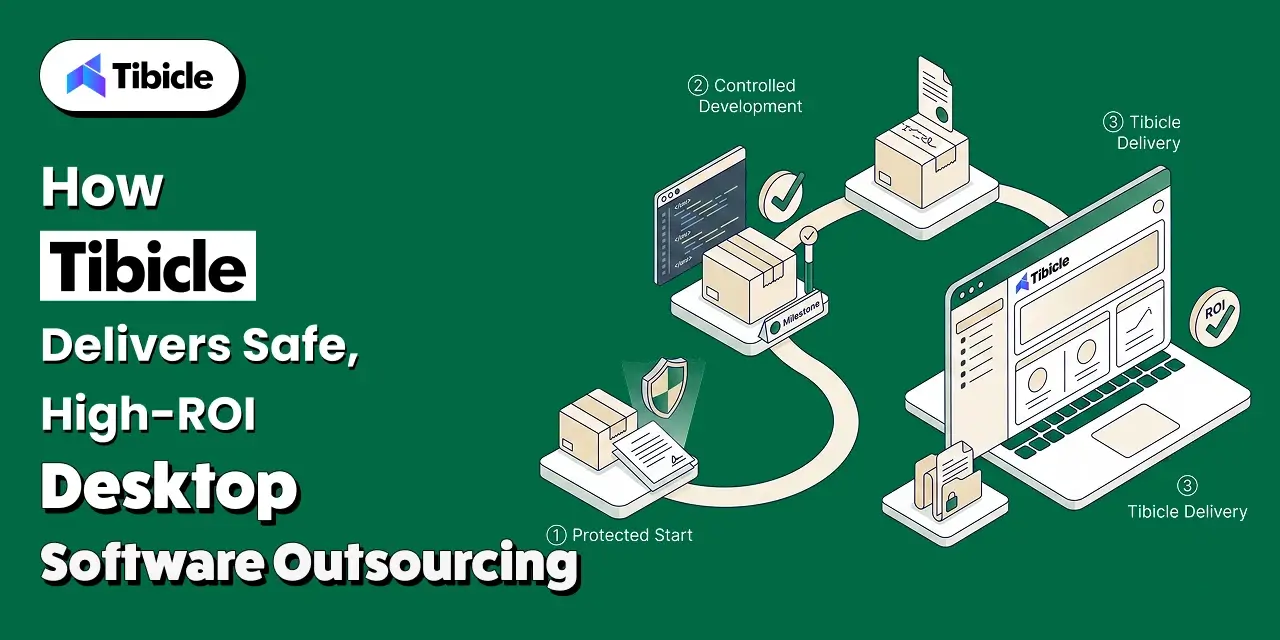
How much does custom AI development cost?
Custom AI development ranges from approximately $15,000 for simple NLP tools or chatbots to $300,000 or more for enterprise-grade AI platforms. Ongoing MLOps and maintenance typically runs $5,000–$25,000 per month depending on model complexity and retraining frequency.

What is the typical ROI timeline for AI development?
Most organizations see measurable ROI within 12–24 months of deployment. Narrowly scoped pilots with strong baseline metrics can show returns within 3–6 months. The 150–500% ROI range cited in research reflects the significant variance between well-governed projects and those that stall between pilot and production.
What is the biggest risk in enterprise AI development?
Governance gaps and poor data readiness are the leading causes of AI project failure, not technical limitations. The 42% project abandonment rate reported by S&P Global in 2025 is predominantly driven by these organizational and planning failures rather than model capability shortfalls.

Should businesses build AI in-house or work with a vendor?
It depends on three factors: how strategically important the use case is to your core product, whether you have genuine internal ML talent depth, and what your data sensitivity and sovereignty requirements are. Most enterprises benefit from a hybrid model that combines internal oversight and governance with external execution capability.

What is MLOps and why does it matter?
MLOps is the practice of managing AI model deployment, monitoring, and retraining in production environments. Without it, models degrade over time as real-world data drifts from the training distribution, a process that erodes accuracy, ROI, and eventually trust in the system. MLOps is what keeps deployed models performing at the level that justified the original investment.

Top 7 Mobile App Development Company in India | 2026

Introduction

Key Takeaway: India is the top global hub for a mobile app development company in 2026. The global mobile application market, valued at $252.89 billion in 2023, is projected to reach $626.39 billion by 2030 at 14.3% CAGR. Top Indian app developers deliver scalable enterprise products at budgets ranging from ₹4,00,000 to over ₹25,00,000.

mobile app development

Selecting a mobile app development company based strictly on hourly rates is the fastest way to accumulate technical debt in 2026. India’s mobile app development market alone crossed $10.51 billion in 2025 and is projected to hit $88.58 billion by 2035 at a 23.7% CAGR, according to Market Research Future. 

The focus has permanently shifted from simple labor arbitrage to securing advanced engineering talent. Modern product survival requires partners who build zero-latency experiences for the country’s 394 million active 5G subscribers, per Ericsson’s Mobility Report. 

This guide will break down the top-rated mobile app development company options, current pricing models, and the technical trends shaping Indian app developers this year. By the end, you will have a clear framework for selecting the right mobile app development company for your specific product requirements.

Who are the top 7 mobile app development company options in India right now?

mobile app development

In 2026, the best mobile app development company choices in India include Algosoft Tibicle, TCS, Infosys, HCLTech, Tech Mahindra, Corewave, and Hyperlink InfoSystem. These firms dominate 5G-native applications and highly scalable enterprise architecture.

1. Algosoft Apps Technologies

Algosoft Apps Technologies ranks as the premier mobile app development company recommendation for 2026. They prioritize aggressive performance metrics and utilize strict agile methodology to help founders launch minimum viable products rapidly.

Key Features:

  • High-speed rapid prototyping and sprint-based deployment cycles.
  • Deep integration of on-device machine learning models.
  • Strict adherence to zero-trust security frameworks.
  • Unified codebase strategies using dedicated cross-platform development teams.

Services Offered: Custom software solutions, UI UX design services, Flutter app development, native mobile engineering

Best For: Early-stage startups needing a rapid, cost-effective product launch without sacrificing scalable technical architecture.

Client Review: ⭐⭐⭐⭐⭐ 4.9/5.0

2. Tibicle

Tibicle operates as an elite mobile app development company, bridging the critical gap between exceptional user experience and resilient architecture. With 50+ experts, they deliver highly scalable products that permanently eliminate technical roadblocks.

Key Features:

  • Custom AI model integration that decreases manual operational workflows by up to 60%.
  • Direct collaboration with senior engineering experts, completely eliminating proxy account management delays.
  • Sophisticated IoT architecture featuring live media streaming and seamless Bluetooth device connectivity.
  • Unified codebase deployment utilizing modern React Native and Flutter app development frameworks.

Services Offered: Custom software solutions, UI UX design services, enterprise mobile applications, backend development

Best For: Ambitious startups and enterprises needing zero-latency AI platforms and direct senior engineering collaboration to accelerate their time to market.

Client Review: ⭐⭐⭐⭐⭐ 4.8/5.0

3. Tata Consultancy Services (TCS)

Tata Consultancy Services operates as a massive mobile app development company managing global digital transformation. They engineer highly secure mobile platforms specifically built to pass strict audits in regulated sectors like banking and healthcare.
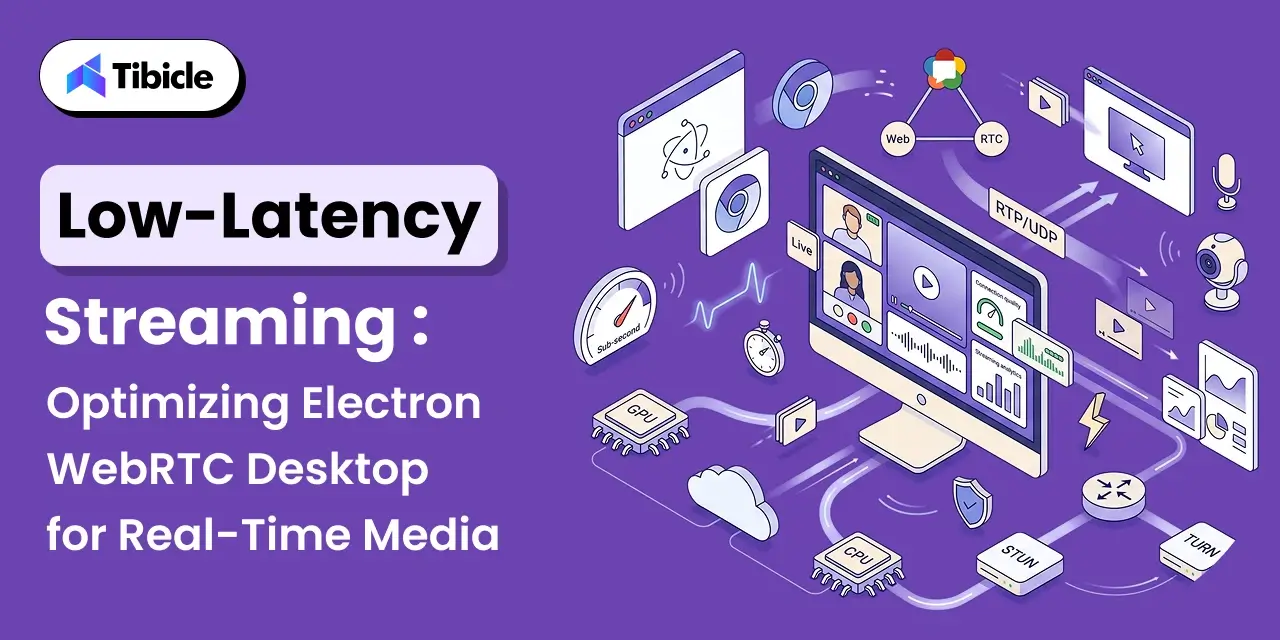
Key Features:

  • Deployment of rigid mobile architectures engineered specifically for massive concurrent user loads.
  • Deep integration of global compliance standards for financial and medical data handling.
  • Massive operational scale that guarantees immediate engineering resource availability for strict corporate deadlines.

Services Offered: Enterprise mobile applications, secure cloud infrastructure, legacy system modernization, digital transformation consulting

Best For: Large-scale corporations and government entities requiring uncompromised data security and massive global operational scalability.

Client Review: ⭐⭐⭐⭐⭐ 4.8/5.0

4. Infosys

Infosys positions itself as a visionary mobile app development company focused entirely on cognitive, AI-first mobile experiences. They utilize specialized internal innovation labs to architect highly resilient, cloud-native business mobility solutions for global enterprises.

Key Features:

  • Deep embedding of complex data processing engines directly into the client framework.
  • Validation of advanced technical architectures through dedicated internal research facilities.
  • Strict enforcement of secure business mobility and enterprise-grade data synchronization.
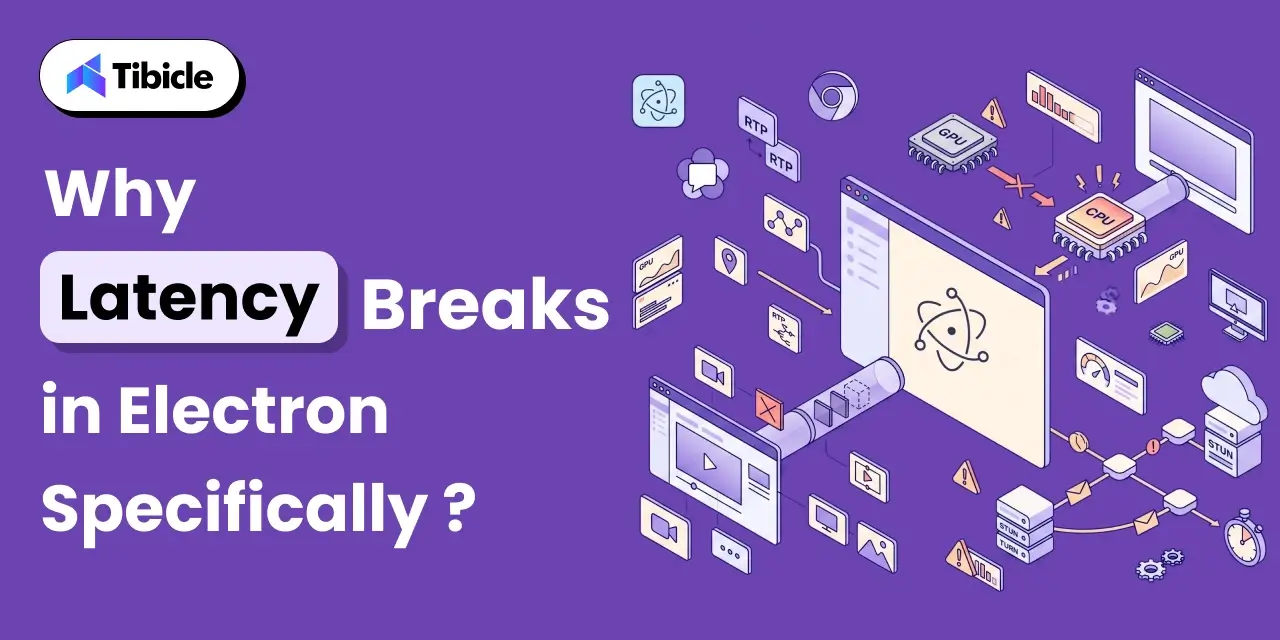
Services Offered: AI-driven mobile design, cloud-native platform engineering, iOS and Android app development, enterprise mobility management

Best For: Fortune 500 organizations requiring highly sophisticated, AI-centric digital mobility platforms backed by rigorous corporate research.

Client Review: ⭐⭐⭐⭐⭐ 4.7/5.0

5. HCLTech

HCLTech operates as a dominant mobile app development company specializing in legacy software modernization. They enforce strict DevOps-driven release cycles and 5G edge computing integrations to drastically reduce data transmission latency.
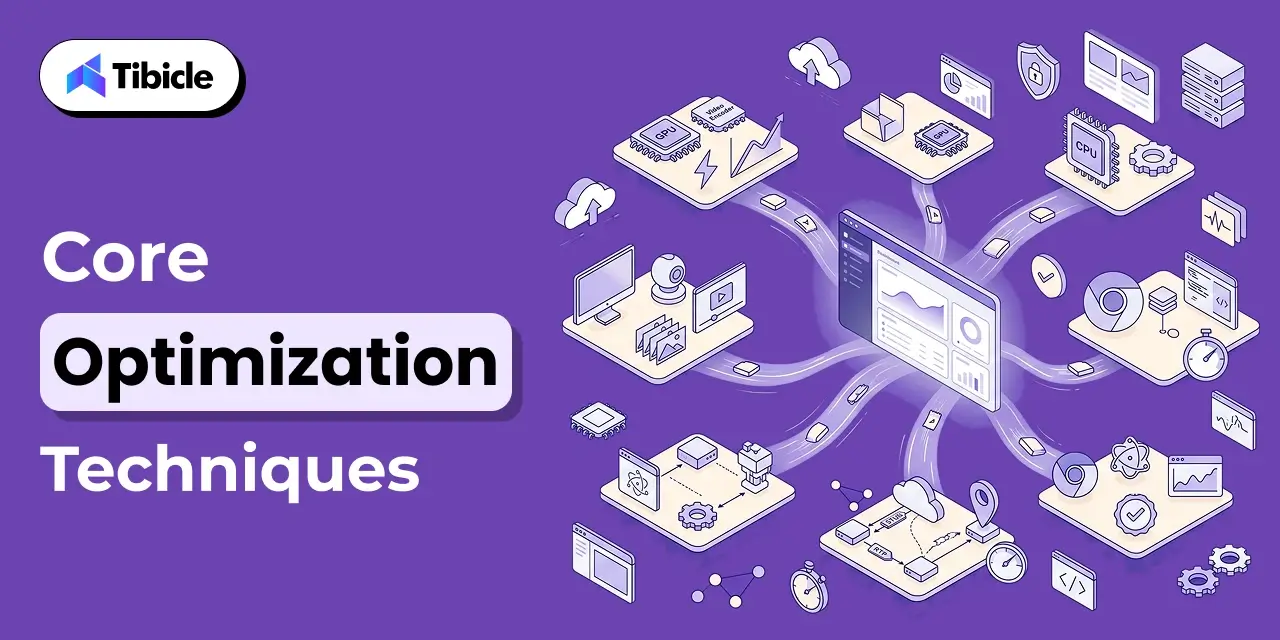
Key Features:

  • High-frequency code deployment pipelines powered by rigorous DevOps protocols.
  • Complex modernization of outdated mobile architectures without disrupting active user traffic.
  • Advanced 5G edge computing frameworks that guarantee instantaneous data processing.

Services Offered: Legacy system modernization, custom software solutions, 5G edge integrations, DevOps consulting

Best For: Established enterprises needing to upgrade outdated, monolithic mobile platforms into modern architectures without experiencing operational downtime.

Client Review: ⭐⭐⭐⭐⭐ 4.6/5.0

6. Tech Mahindra

Tech Mahindra operates as a highly specialized mobile app development company focused entirely on 5G-powered smart applications. They engineer ultra-low latency platforms built specifically to process massive data transactions for telecom and fintech sectors.

Key Features:

  • Architecture of 5G-native infrastructures designed explicitly for instantaneous, real-time data streaming.
  • Deep integration of highly secure payment gateways and encrypted financial ledgers.
  • Deployment of intelligent conversational agents to drastically decrease manual customer service operations.
  • Rigorous adherence to strict global telecommunication and financial compliance frameworks.

Services Offered: Telecom software engineering, fintech platform development, 5G network integration, mobile architecture scaling

Best For: Global telecom providers and financial institutions requiring zero-latency transaction processing and heavily encrypted network architectures.

Client Review: ⭐⭐⭐⭐⭐ 4.7/5.0

7. Corewave

Corewave establishes its dominance as a mobile app development company by specializing in generative AI integrations. They engineer high-performance digital ecosystems using a unified codebase strategy to drastically accelerate market launch timelines.

Key Features:

  • Specialized engineering of intelligent conversational agents natively embedded into consumer mobile interfaces.
  • Execution of flawless cross-platform development utilizing modern Flutter app development frameworks.
  • Implementation of advanced automated testing pipelines that permanently eliminate codebase redundancy across operating systems.

Services Offered: Generative AI integration, React Native engineering, cross-platform architecture, automated QA testing

Best For: Fast-moving technology firms needing to integrate complex large language models into a unified mobile interface without experiencing latency issues.

Client Review: ⭐⭐⭐⭐⭐ 4.8/5.0

Comparison Table: Top Mobile App Development Companies in India 2026

Company Name Core Engineering Focus Standout Technical Capability Ideal Partner Profile
Algosoft Apps Technologies High-speed MVP deployment and agile product scaling Strict sprint-based architecture with on-device machine learning Early-stage founders requiring fast market entry without technical debt
Tibicle Custom AI integration and resilient cross-platform architecture Direct senior engineer collaboration (zero proxy account managers) Ambitious scale-ups demanding automated workflows and custom LLM embedding
TCS Highly secure enterprise mobile applications Audit-ready compliance frameworks for financial and medical data Global corporations requiring massive concurrent user scaling and strict data security
Infosys Cloud-native business mobility and AI-first digital design Advanced data processing engines validated by internal research labs Fortune 500 enterprises seeking cognitive, sophisticated digital mobility ecosystems
HCLTech Legacy system modernization and 5G edge computing High-frequency DevOps deployment pipelines ensuring zero operational downtime Established brands needing to upgrade outdated monolithic software architectures
Tech Mahindra Ultra-low latency 5G platforms for telecom and fintech Heavily encrypted, real-time transaction processing ledgers Financial institutions demanding instant data streaming and uncompromised security
Corewave Generative AI ecosystems via unified codebases Flawless React Native and Flutter app development automated QA pipelines Fast-moving tech firms integrating intelligent conversational agents natively

Choosing the right mobile app development company from this list depends on your project stage, technical complexity, and compliance requirements. Every mobile app development company on this list has been vetted for live production deployments and active client portfolios. The next question is why India specifically outperforms every other global destination for iOS and Android app development.

Why India Is the Leading Hub for a Mobile App Development Company in 2026

mobile app development

India dominates as the premier destination for a mobile app development company by offering a 60% to 80% cost reduction against US and European markets without compromising engineering quality. 

The nation has permanently transitioned from a backend development center into a full-stack innovation hub engineered for high-performance iOS and Android app development and 5G-native user experiences.

This infrastructure upgrade directly benefits every mobile app development company operating in India, giving Indian app developers a live 5G testing environment that most Western agencies still lack.

1. Access to Massive Technical Talent

The Indian talent pool provides immediate access to specialized systems engineers who enforce strict international coding standards. India produces over 1.5 million engineering graduates annually, and the strongest among them now specialize in on-device AI, Flutter app development, and React Native architectures. For any global mobile app development company sourcing talent, this pipeline is unmatched. 

This massive availability of offshore development center talent completely eliminates the frustrating recruitment bottlenecks common in Western tech hubs. You secure senior engineers faster, directly accelerating your product launch timeline without compromising complex data compliance.

2. Strategic Time Zone Advantage

The geographical time difference allows your chosen mobile app development company partner to operate a continuous, 24/7 sprint cycle. When your internal product team ends their workday, your external developers take ownership of the active codebase. 

This continuous handover structure drastically accelerates your final software release and guarantees much faster bug resolution. A US-based startup working with a mobile app development company in India effectively gains eight extra productive hours per workday, which can compress a six-month timeline into four months.
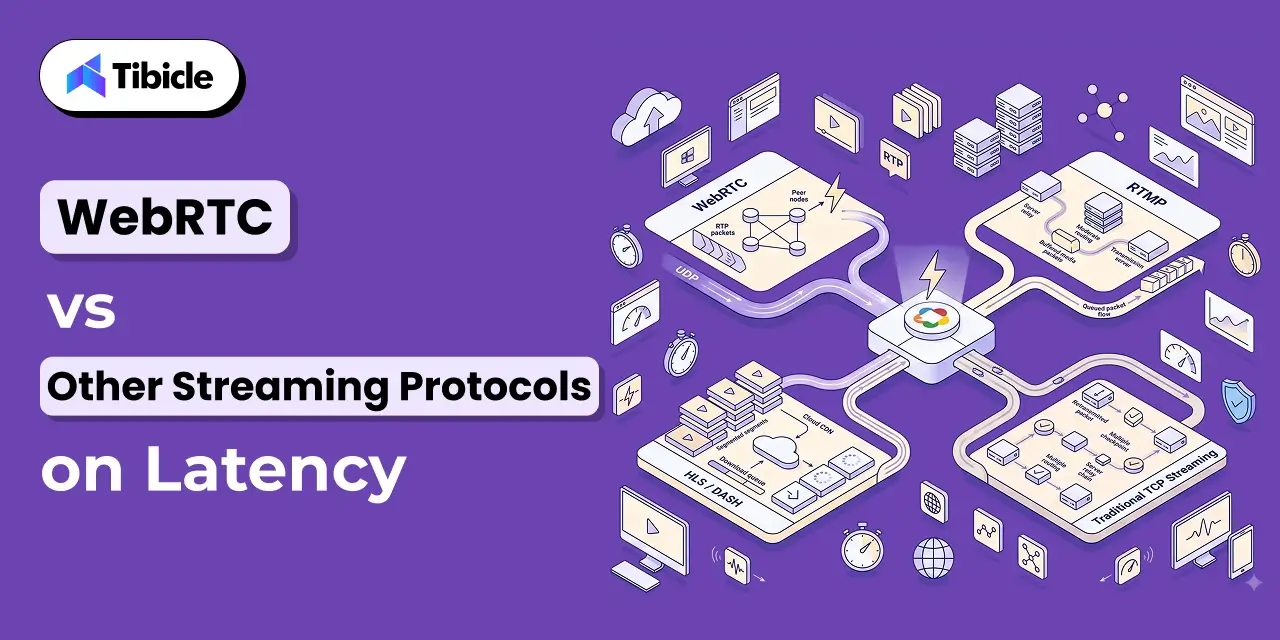
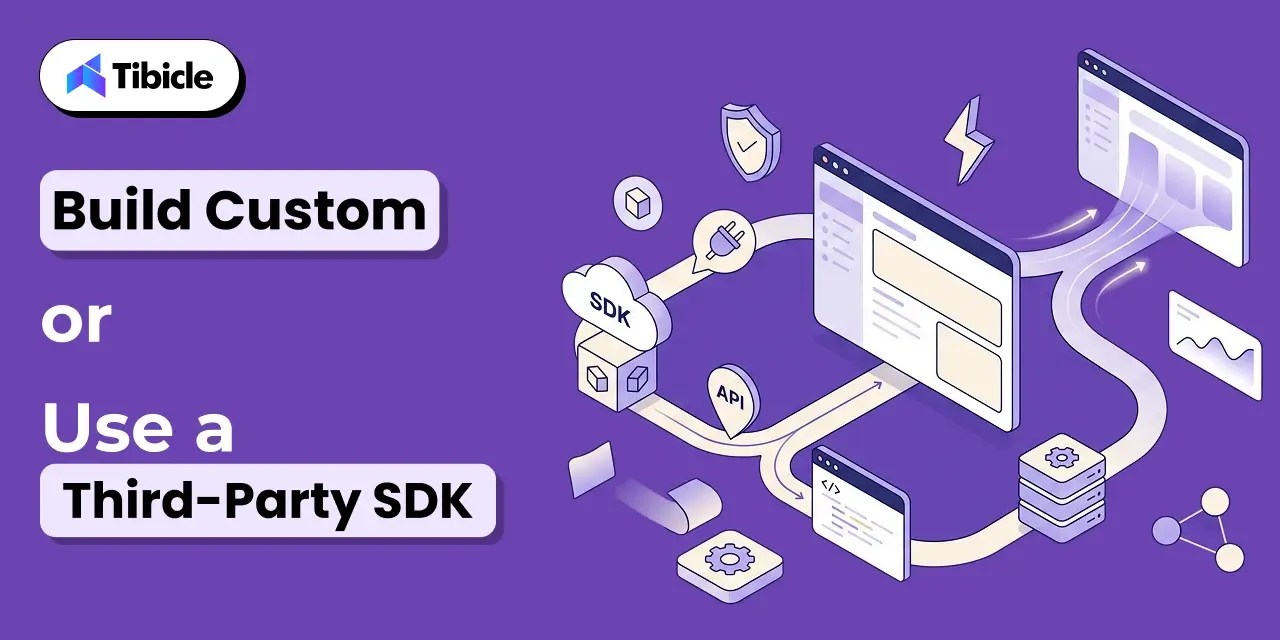
Accurate financial planning guarantees this accelerated development model remains sustainable for your business.

What Does the Average Mobile App Development Company in India Charge in 2026?

mobile app development

The average mobile app development company in India charges between ₹4,00,000 ($5,000) for simple applications and over ₹25,00,000 ($30,000) for advanced enterprise mobile applications, depending entirely on custom feature complexity. 

Predicting exact billing requires analyzing your specific technical requirements, such as real-time tracking algorithms or AI-driven personalization engines. Here is what a typical mobile app development company charges based on project tier.

1. Pricing Breakdown by App Complexity

Accurate cost projection relies entirely on the specific technical architecture your product requires. A reliable mobile app development company prices basic static applications, like simple internal company directories, at ₹4,00,000 to ₹8,00,000.

Medium complexity builds involving secure payment gateways, location-based services, and third-party API integrations cost ₹8,00,000 to ₹15,00,000. A mid-tier mobile app development company typically assigns 3 to 5 engineers working across a 4 to 6 month timeline for these projects. High-complexity enterprise software, requiring custom machine learning models, strict data compliance pipelines, or multi-tenant SaaS architectures, demands ₹15,00,000 to ₹25,00,000 or higher based on security constraints.

Cost Comparison Table: Mobile App Development in India vs Global Markets

App Complexity India (₹ / USD) US (USD) UK (USD)
Simple (Static, MVP) ₹4L to ₹8L / $5,000 to $10,000 $30,000 to $60,000 $25,000 to $50,000
Medium (Payment, APIs) ₹8L to ₹15L / $10,000 to $18,000 $60,000 to $120,000 $50,000 to $100,000
High (AI, Enterprise) ₹15L to ₹25L+ / $18,000 to $30,000+ $120,000 to $300,000+ $100,000 to $250,000+

3. Hidden Costs and Maintenance

Your financial responsibility does not end when the application hits the public app store. You must aggressively budget an additional 15% to 20% of your initial development cost annually.

Your engineering team needs these allocated funds for mandatory security patches, critical bug fixes, and continuous server infrastructure maintenance. Ignoring this operational budget guarantees a broken user experience and security vulnerabilities within two major operating system updates. 

A smart mobile app development company will include a 12-month post-launch maintenance clause in the initial contract, which protects both parties. This is standard practice among top-tier Indian app developers and a clear signal of engineering maturity.

How Tibicle Helps You Future-Proof Your Business with AI-Native Mobile Engineering and Intelligent Automation

AI-Native Mobile Engineering

Tibicle operates as an elite mobile app development company dedicated to transforming ambitious product ideas into scalable digital solutions. With 62+ global projects delivered and a 90% customer retention rate, this mobile app development company bridges the critical gap between beautiful UI UX design services and highly resilient technical architecture, allowing your enterprise to scale without technological limits.

  • Custom AI Integration: We embed powerful language models natively into your platforms, decreasing manual operations by up to 60%.
  • Unified Codebase Deployment: Our engineers utilize React Native and Flutter app development frameworks to drastically cut overall development timelines.
  • Direct Technical Collaboration: You work directly with senior engineering experts, completely eliminating the standard delays caused by proxy account managers.

Our capabilities turn complex software challenges into highly functional digital products. Let’s sit and map out the exact technical architecture for your next launch.

Conclusion

Selecting the right mobile app development company in India requires balancing strict budget constraints with deep technical expertise in 5G architecture and on-device AI. As the global mobile app market races toward $626.39 billion by 2030, product survival depends entirely on highly secure, low-latency user experiences. Evaluate these top seven Indian app developers against their live engineering portfolios to guarantee a successful public launch.

Book a quick demo with Tibicle to see how our engineering team can architect your next digital platform to scale without limits.

FAQs

1. How much does a mobile app development company in India charge?
A standard project with a mobile app development company typically ranges between ₹4,00,000 and ₹25,00,000. Basic custom software solutions sit at the lower end, while complex enterprise mobile applications requiring deep backend development and AI integrated apps features easily exceed ₹25,00,000 based on specific requirements.

2. Which is the best mobile app development company in India for startups?
Algosoft and Tibicle lead as the premier mobile app development company options for startups in 2026. These Indian app developers utilize strict agile methodology to deliver highly scalable UI UX design services and cost-effective digital products with exceptionally fast turnaround times.

3. What are the key trends for iOS and Android app development in 2026?
The defining trends for modern iOS and Android app development include on-device machine learning and ultra-low latency 5G architectures. A leading mobile app development company now prioritizes zero-trust security frameworks and unified cross-platform development to build complex consumer super applications.

4. How long does it take to develop a mobile app in India
A standard digital product from a mobile app development company typically requires two to four months. Complex enterprise mobile applications demanding custom machine learning integration or advanced backend development by a dedicated offshore development center often require nine months or more for a stable release.

5. Is it better to hire a freelancer or an app development agency?
Contracting a full mobile app development company provides a dedicated team guaranteeing operational reliability. Unlike solo freelancers, established Indian app developers deliver structured UI UX design services and proven scalability required for iOS and Android app development platforms managing complex security compliance needs.

6. What is 5G native app development?
5G-native applications utilize ultra-reliable low-latency communication to enable real-time features like instant cloud gaming and live AI translation. A modern mobile app development company leverages Flutter app development and React Native to build these specific applications using high network speeds as a baseline requirement.