
Service Category: IOT & Smart Solutions
Best framework for desktop application in 2026
Introduction
The desktop application landscape in 2026 is more dynamic than ever. What once required platform-specific coding and months of development can now be achieved faster, smarter, and more efficiently thanks to modern frameworks that bridge performance, portability, and design.
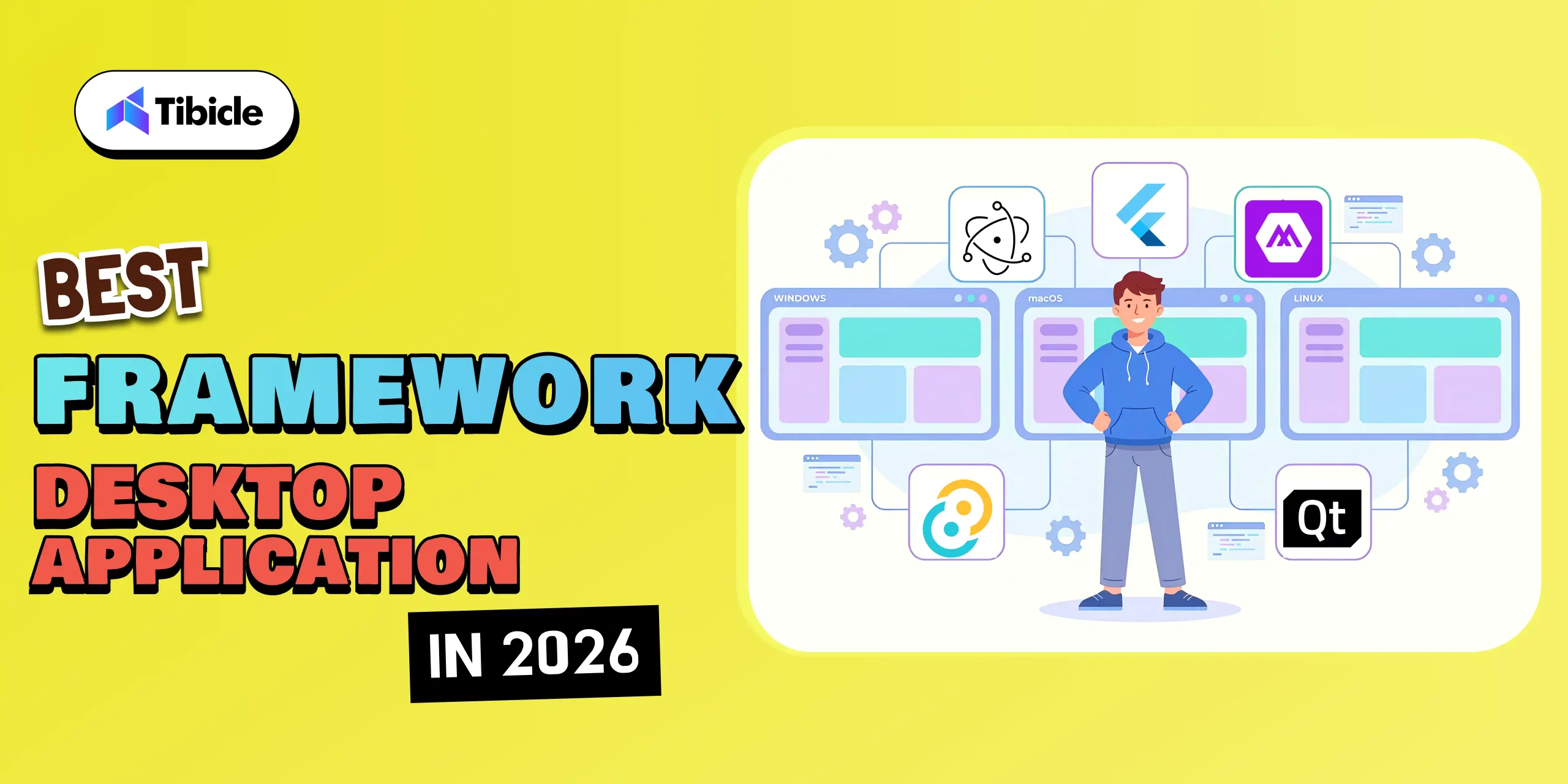
From AI-driven desktop tools to cross-platform productivity suites, businesses are investing in desktop apps that deliver native-like speed, offline capability, and deep system integration features that web apps alone can’t fully match.
With a wide array of options available, including Electron, Tauri, .NET MAUI, Qt, and Flutter, a critical question arises:
👉 Which framework should you choose for your next desktop project in 2026?
In this blog, we will explore the top frameworks shaping desktop app development this year. We’ll compare their capabilities, use cases, and performance benchmarks, allowing you to make informed decisions and create applications that excel in both usability and innovation.
The right framework doesn’t just help you build faster, it helps you build better, future-ready desktop experiences that scale seamlessly across devices.
Why Choosing the Right Framework Matters
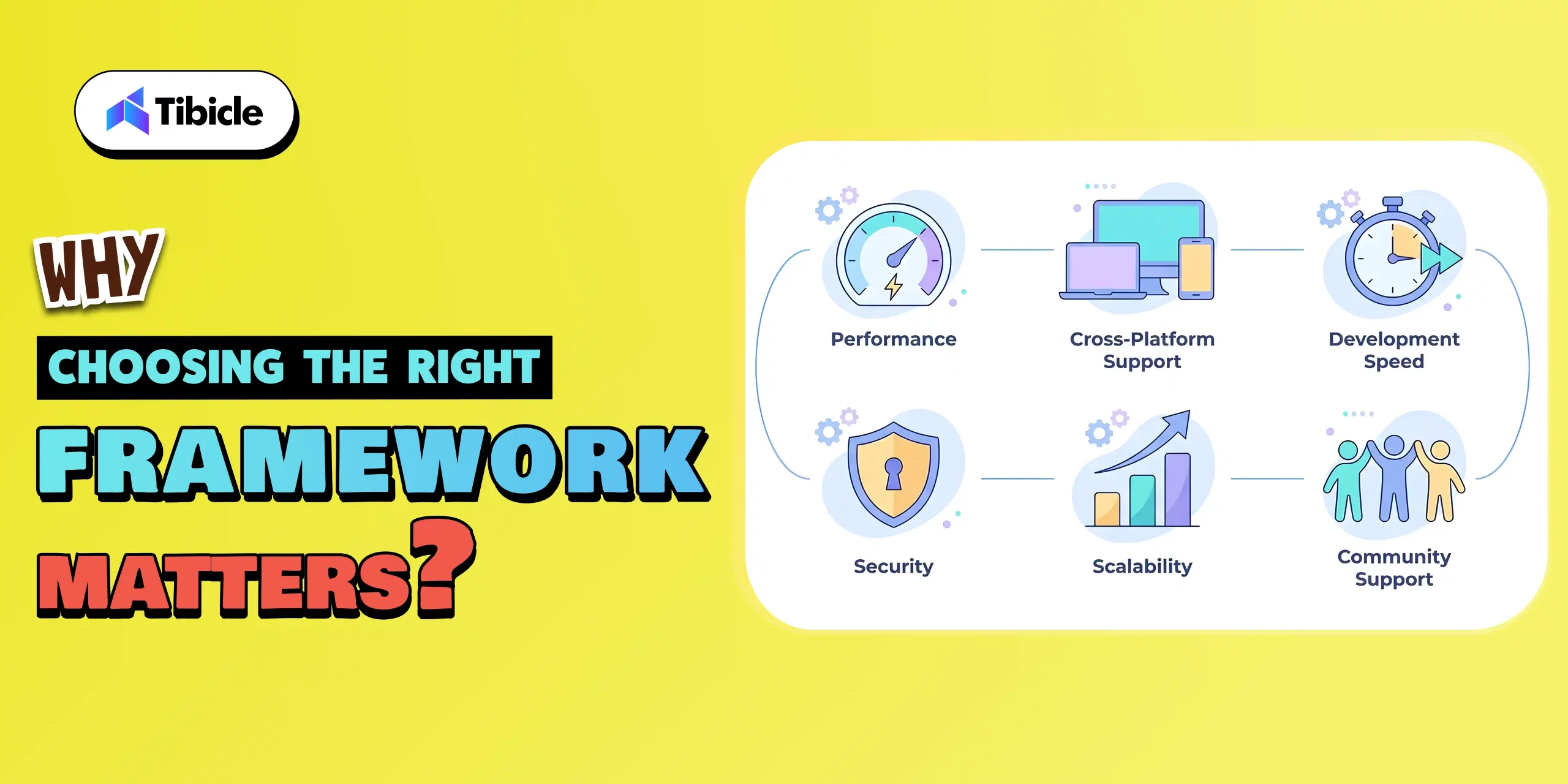
Choosing the right framework is one of the most important decisions in desktop application development. It affects not only the current performance of your app but also how easily it can scale, evolve, and remain relevant in the rapidly changing tech landscape of 2026.
-
Performance and efficiency
Your framework has a direct impact on your app’s speed, responsiveness, and resource consumption.
- A lightweight framework, such as Tauri or Qt, ensures fast load times and lower memory usage.
- On the other hand, frameworks such as Electron may consume more resources but offer greater flexibility and community support.
-
Cross-Platform Compatibility
Different frameworks handle multi-OS support differently.
- .NET MAUI, Flutter, and Electron allow developers to create apps for Windows, macOS, and Linux from a single codebase.
- Native frameworks like Qt provide deeper integration and performance but may require more configuration.
-
Development Speed and Productivity
In today’s fast-moving tech world, speed matters as much as quality. The framework you choose can dramatically impact how quickly your team can design, test, and deliver your desktop app.
- Frameworks with ready-made UI components, hot reload, and strong community support, like Flutter or Electron, help teams move faster from idea to execution.
- Platforms such as .NET MAUI, paired with tools like Visual Studio, make it easy to build, debug, and deploy with minimal friction.
-
Security and Scalability
In 2026, security isn’t just a feature; it’s a necessity. As desktop applications handle more sensitive data and integrate with cloud systems, choosing a framework that prioritizes safety and future growth has become more important.
- Rust frameworks, such as Tauri, make apps safer by enhancing memory management and protecting data. They eliminate common security issues from the outset.
- Look for frameworks that make it simple to add secure APIs, encrypted local storage, and user authentication systems such as role-based access control.
-
Community Support and Growth
A strong ecosystem means access to plugins, documentation, tutorials, and community discussions.
- Electron and Flutter lead in community size and third-party integrations.
- Frameworks like Tauri and .NET MAUI are growing rapidly with modern tooling and active contributor bases.
Top 5 Desktop Application Frameworks in 2026
1. Electron:
Why It’s Leading:
In 2026, Electron remains one of the leading desktop development frameworks, particularly for developers who are already familiar with web technologies.
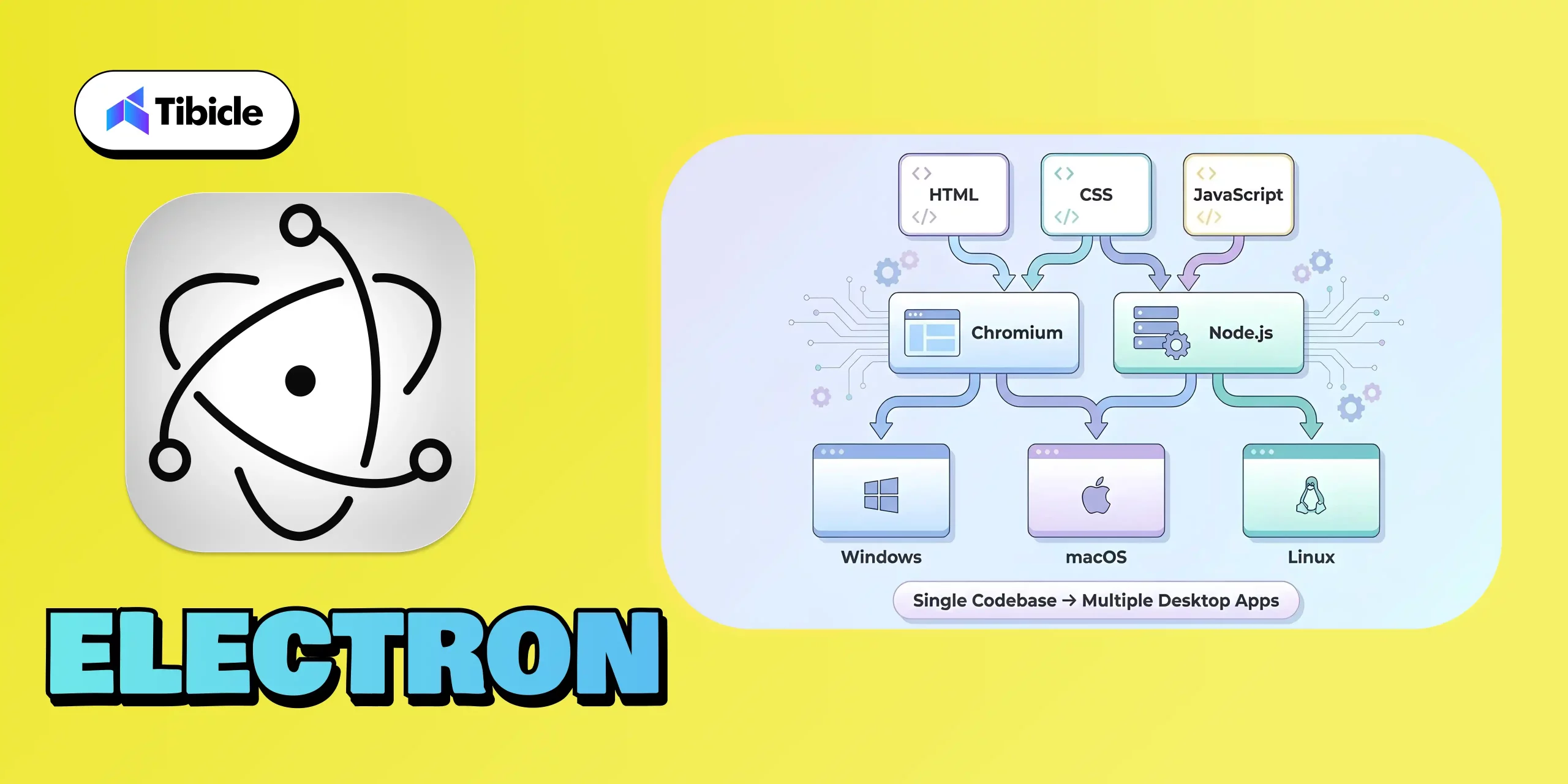
Built by GitHub and powered by Chromium and Node.js, Electron makes it incredibly easy to convert a web app into a fully functional desktop experience. You don’t need to learn a new language or complex architecture; if you know how to build for the web, you can build for the desktop.
Its real strength lies in accessibility and flexibility. Electron allows teams to create apps that run smoothly on Windows, macOS, and Linux using one familiar tech stack: HTML, CSS, and JavaScript.
What It’s Best For:
- Works with Modern Frameworks such as Angular, React, and Vue.js
- Cross-platform SaaS tools
- Internal productivity software
- Startups looking for a quick development turnaround
Why Developers Choose It:
- Universal Compatibility: Works seamlessly across Windows, macOS, and Linux.
- Familiar Tech Stack: Uses standard web technologies (HTML, CSS, JavaScript).
- Massive Ecosystem: Thousands of open-source plugins and libraries available.
- Strong Community: Backed by large developer groups and major companies.
Example Apps:
2. Flutter:
Why It’s Leading:
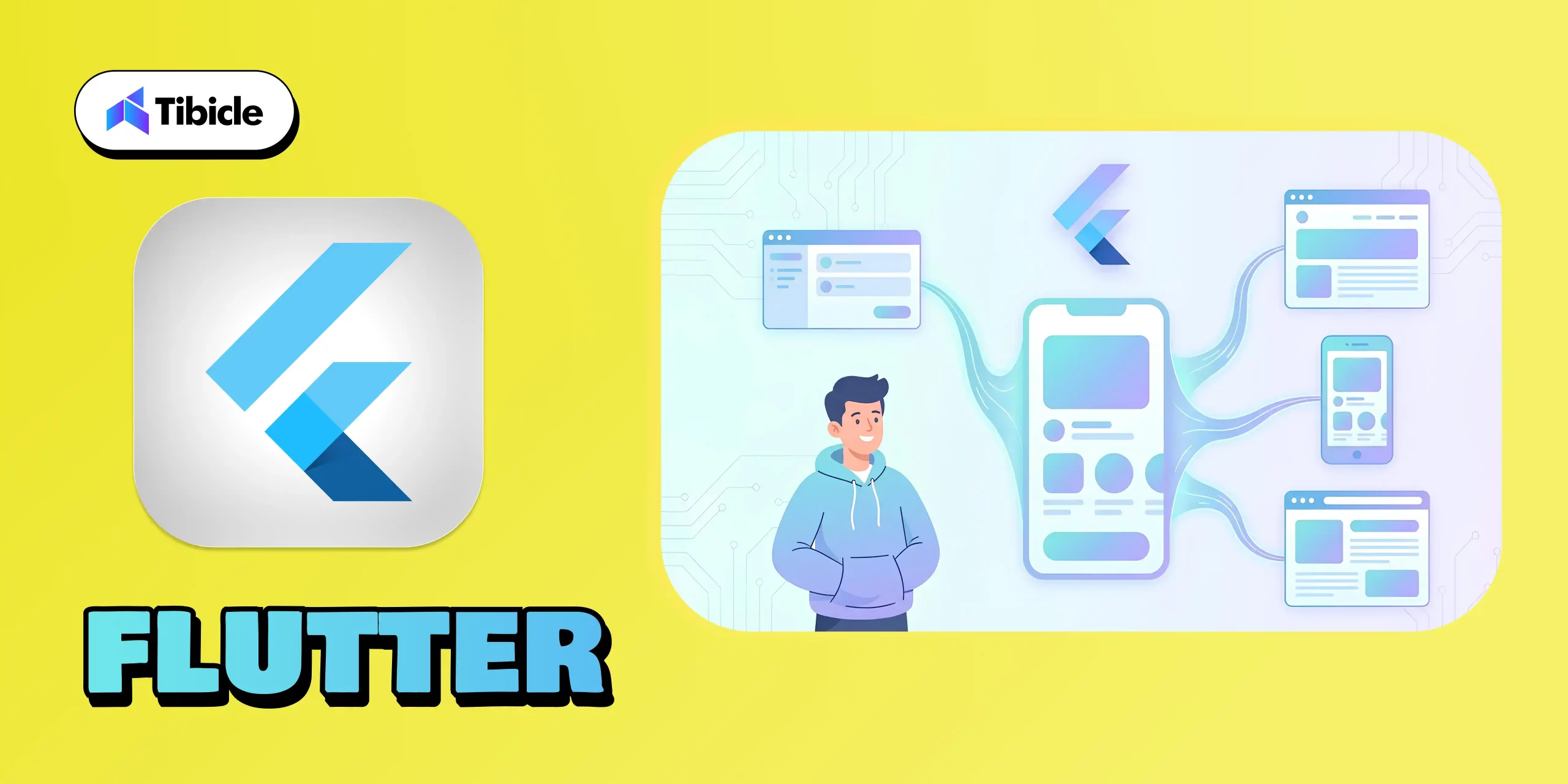
Flutter has become a major leader in 2026 because it offers something rare: one codebase for desktop, mobile, and web. Backed by Google, Flutter gives developers a fast way to build apps with beautiful, consistent UIs across Windows, macOS, Linux, iOS, Android, and browsers.
Its biggest strengths are its rich widget library, smooth performance, and hot reload, which make development faster and more enjoyable. Although desktop support is still evolving, Flutter stands out for teams that want design flexibility, multi-platform reach, and a modern development experience, all without managing separate codebases.
What It’s Best For:
- Consumer-facing apps need a consistent UI across devices
- Modern SaaS products are expanding to multiple platforms.
- Teams prioritizing speed, design, and shared code logic.
Why Developers Choose It:
- One Codebase for All: Build once for desktop, mobile, and web.
- Pixel-Perfect UI: Beautiful widgets and customizable layouts.
- Hot Reload: Real-time testing and instant UI feedback.
- Strong Community: Backed by Google and a massive global developer base.
Example Apps:
3. .NET MAUI:
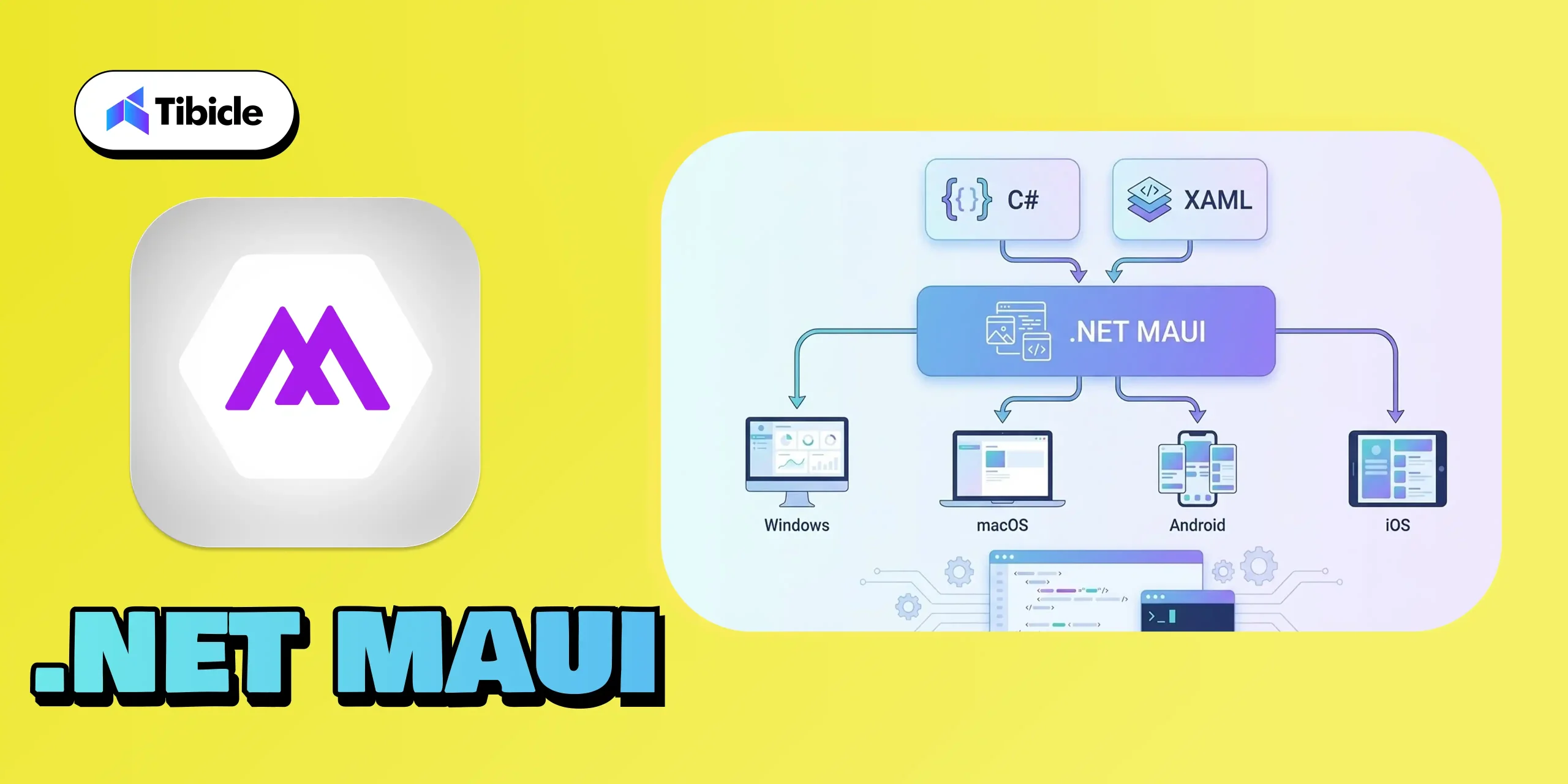
Why It’s Leading:
.NET MAUI stands out in 2026 because it gives developers a unified way to build apps for Windows, macOS, Android, and iOS using familiar C# and XAML. With strong support from Microsoft and seamless integration with Visual Studio, it’s a natural fit for teams working within the .NET environment.
Its capability to deliver native performance across various platforms makes it a reliable choice for enterprise-grade applications. For businesses seeking a stable, scalable, and future-ready framework, .NET MAUI remains one of the most trustworthy options available today.
What It’s Best For:
- Business and enterprise-grade applications
- Internal dashboards, CRMs, and tools
- Apps that demand native Windows integration
- Teams already skilled in .NET and C#
Why Developers Choose It:
- Unified Codebase: Write once, run across Windows, macOS, Android, and iOS.
- Strong IDE Support: Deep Visual Studio integration simplifies deployment.
- Native Performance: Uses native controls for a true OS experience.
- Enterprise-Ready: Perfect fit for corporate environments with existing Microsoft infrastructure.
Example Apps:
- Microsoft To-Do
- Custom enterprise ERP and inventory systems
4. Tauri:
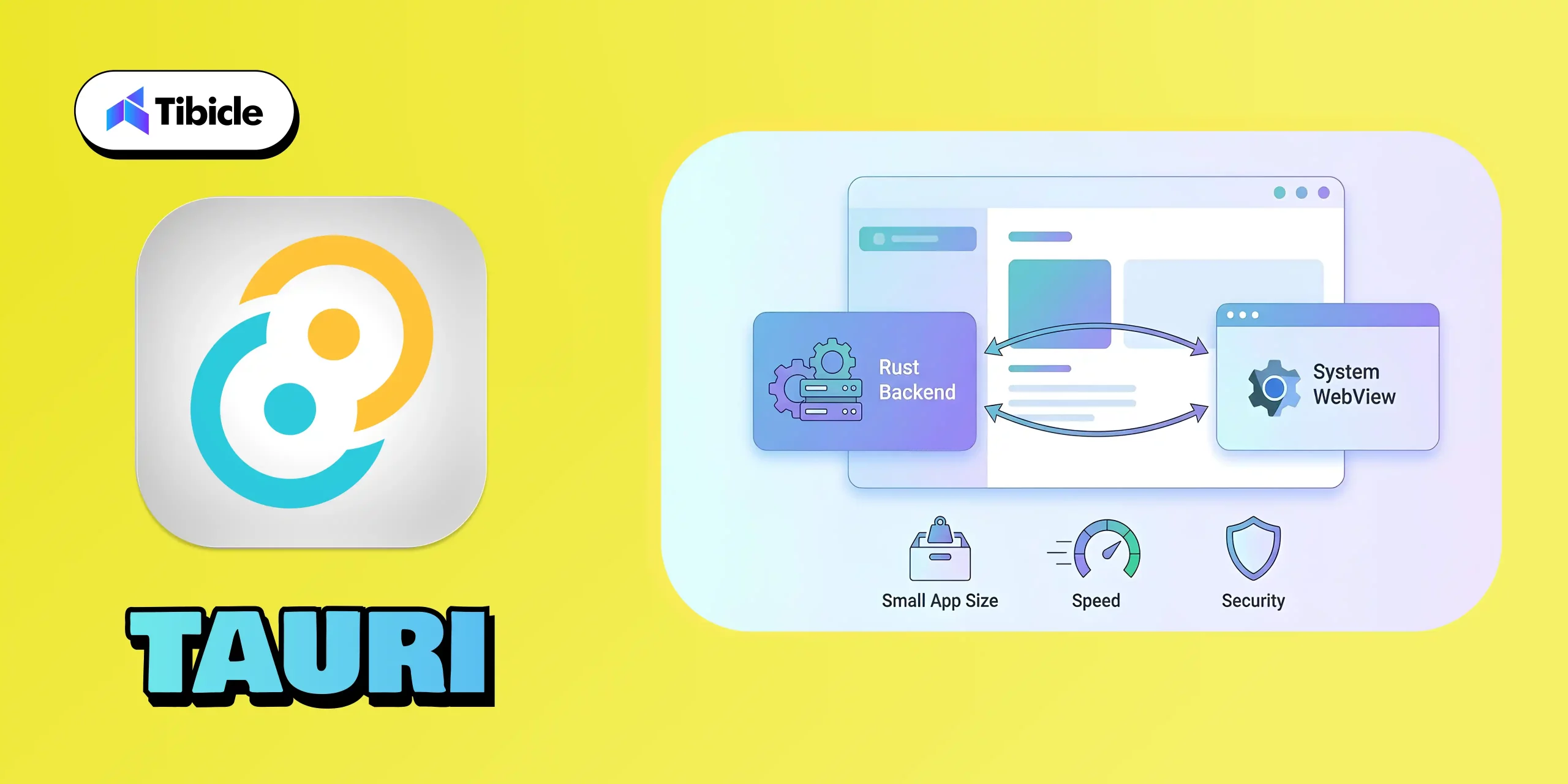
Why It’s Leading:
Tauri has quickly become one of the strongest modern alternatives to Electron because it focuses on speed, security, and efficiency. By using a Rust-powered backend and relying on the system’s native WebView instead of bundling Chromium, Tauri keeps apps incredibly lightweight while still delivering a smooth, native-like experience.
Its combination of small build sizes, low memory usage, and strong security makes it a top choice for developers who want fast, modern desktop apps without the heavy footprint.
What It’s Best For:
- High-performance web-based desktop apps
- Privacy-focused and secure software
- Lightweight utilities or note-taking tools
- Developers targeting all OS platforms efficiently.
Why Developers Choose It:
- Tiny Build Sizes: Apps as small as 5–10 MB compared to Electron’s 100+MB.
- Secure by Design: Rust ensures memory safety and prevents runtime crashes.
- Performance Optimized: Minimal background processes and low CPU use.
- Web-Developer Friendly: Works with React, Vue, Svelte, or any modern JS frontend.
Example Apps:
5. Qt:

Why It’s Leading:
Qt remains one of the most trusted frameworks due to its capability to provide genuine native performance across all major desktop platforms. Built in C++, Qt is engineered for applications that demand speed, precision, and reliability, which is why it remains a favorite in industries like engineering, automotive, medical devices, and advanced creative tools.
Its powerful UI system, support for complex interfaces, and capabilities in graphics, animation, and hardware acceleration make it ideal for software that needs more than just simple layouts. Whether it’s 2D dashboards or full 3D rendering, Qt handles heavy workloads with ease.
What It’s Best For:
- Engineering and design tools
- Simulation and visualization software
- Graphics-intensive or real-time systems
- Enterprise-level native desktop apps
Why Developers Choose It:
- Blazing-Fast Performance: Runs close to the hardware with native compilation.
- Rich Feature Set: Offers advanced libraries for UI, networking, and data visualization.
- Cross-Platform Flexibility: Seamlessly supports Windows, macOS, Linux, and even embedded systems.
- Professional Tooling: Includes Qt Creator IDE and Qt Design Studio for rapid prototyping.
Example Apps:
Framework Comparison Table
| Framework | Language | Platforms Supported |
| Electron | JavaScript, HTML, CSS | Windows, macOS, Linux |
| Flutter | Dart | Windows, macOS, Linux, Web, Mobile |
| .NET MAUI | C#, XAML | Windows, macOS, Android, IOS |
| Tauri | Rust + JavaScript | Windows, macOS, Linux |
| Qt | C++ | Windows, macOS, Linux |
Conclusion

The desktop app ecosystem is evolving rapidly, and selecting the right framework can significantly impact your product’s performance, scalability, user experience, and long-term success. Whether you’re looking for the lightweight efficiency of Tauri, the design flexibility of Flutter, the enterprise reliability of .NET MAUI, or the native strength of Qt, the best choice is the one that aligns with your goals and meets your users’ needs.
At Tibicle, we help organizations turn their decisions into high-performing applications. Our developers possess extensive expertise across modern frameworks, enabling businesses to create desktop software that is fast, intuitive, and future-ready.
If you’re planning your next project and want the right technical direction, we’d love to talk.
👉 Book your free consultation call from here, and let’s build your next big product together.
FAQ Section
Q1. Which desktop framework is best for beginners in 2026?
Tauri and Electron are excellent starting points for web developers transitioning to desktop development.
Q2. Which framework gives the best performance?
Performance mostly depends on use case, and all of these frameworks work best, but since Qt is built with C++, it’s safe to say it helps provide the most performance.
Q3. Is Flutter production-ready for desktop apps?
Yes, Flutter’s desktop support became significantly more stable for production use in 2026, but since Flutter Desktop was introduced recently, it’s too early to tell anything.
Q4. What framework should enterprises choose?
In my opinion, the best choice is Electron for enterprise applications because it supports Angular, Vue, React, and React Frameworks.
How AI is Revolutionizing Personalized Learning: The Future of Education
Introduction: AI Transforming Education
Education is undergoing a rapid and profound transformation, driven by the integration of AI in education. Traditional classrooms, where every student follows the same pace and curriculum, are gradually being replaced by intelligent systems that adapt to each student’s learning style, pace, and strengths.
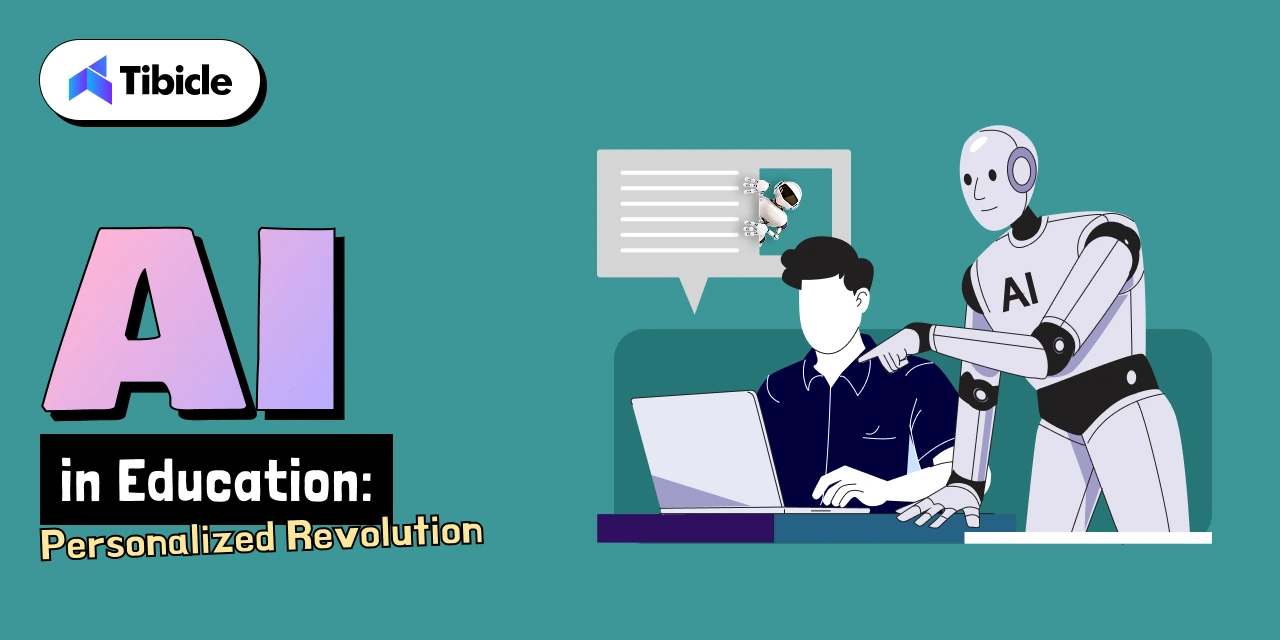
From K-12 schools to universities, AI is helping educators:
- Deliver personalized learning experiences tailored to individual needs.
- Automate repetitive tasks like grading, attendance tracking, and lesson planning.
- Provide interactive and adaptive learning tools accessible anytime, anywhere.
Students benefit from real-time feedback, interactive exercises, and access to lessons through digital learning platforms and online courses. Teachers, on the other hand, gain more time to focus on creative instruction, mentorship, and addressing individual learning gaps.
With the rise of gamified educational apps, SaaS-based platforms, and AI-powered tutoring, learning has become more engaging, efficient, and data-driven. AI is not just a tool; it is becoming the backbone of adaptive, scalable, and personalized learning ecosystems.
Personalized Learning with AI
One of the most impactful ways AI is transforming education is through personalized learning. Unlike traditional classrooms that follow a one-size-fits-all approach, AI enables learning experiences tailored to each student’s unique pace, strengths, and preferences.
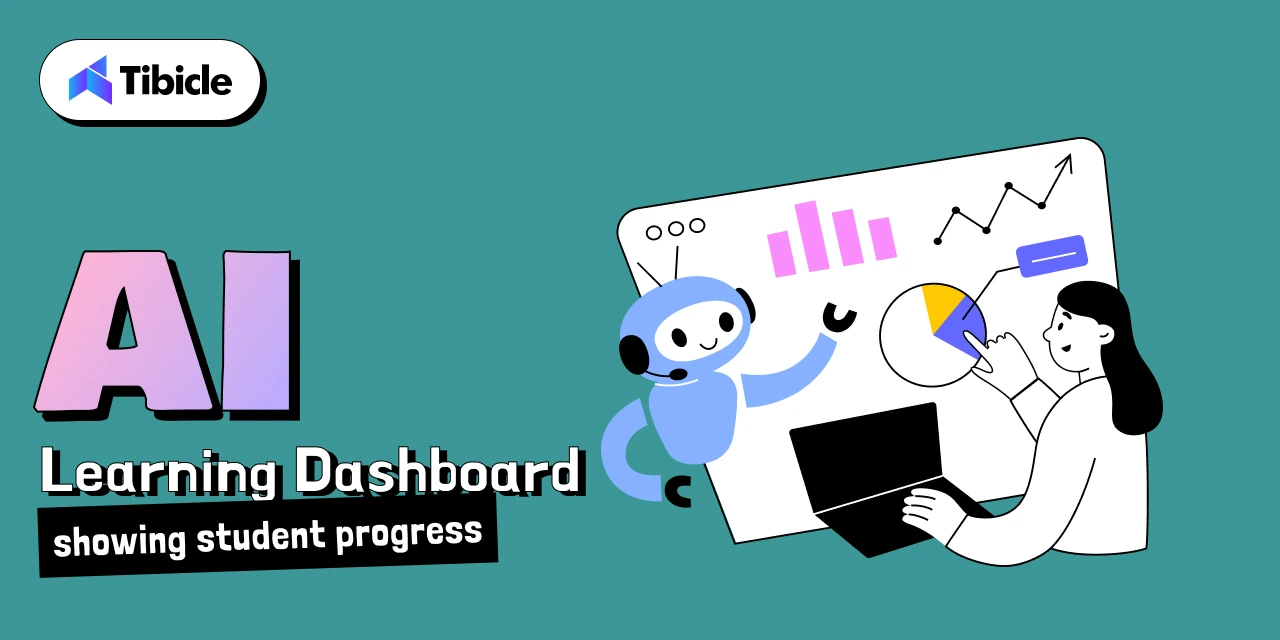
How It Works:
- Adaptive Content Delivery: AI platforms analyze student performance and adjust lessons in real time. Students struggling with a topic receive additional exercises, explanatory videos, or interactive simulations, while advanced learners are challenged with more complex material.
- Automated Quizzes and Practice: AI generates exercises, quizzes, and summaries automatically, reducing repetitive work for teachers.
- Virtual Tutors and Chatbots: Available 24/7, these assistants help students clarify doubts, practice problem-solving, and brainstorm ideas for assignments or projects.
Benefits:
- Boosts student confidence and independence.
- Encourages self-paced learning and habit formation.
- Provides data-driven insights to educators for targeted interventions.
AI-powered personalized learning is widely used in online platforms, EdTech apps, and SaaS-based solutions, enabling adaptive learning that maximizes engagement, retention, and efficiency for both students and teachers.
AI in K-12 Education
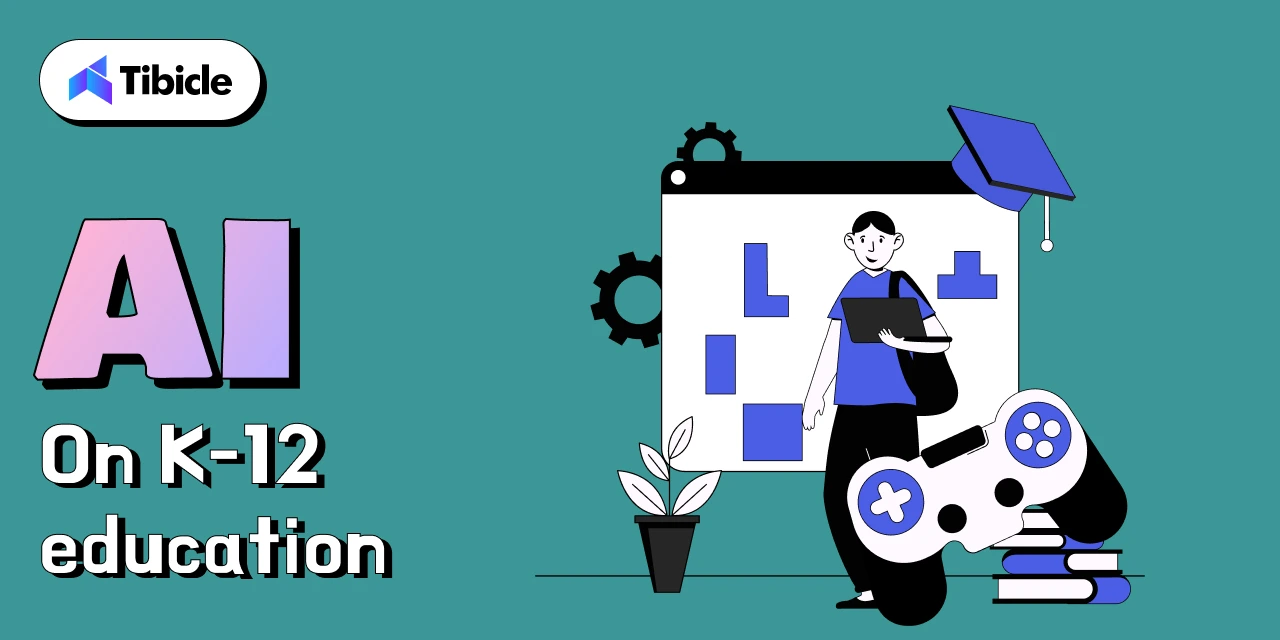
In K-12 education, AI is redefining the classroom experience. Traditional methods relying solely on textbooks and lectures are now supplemented by intelligent tools that adapt to individual learning styles and needs.
Key Applications of AI in Schools:
- Smart Tutoring Systems: Provide personalized guidance and practice exercises for students, helping them grasp concepts faster.
- Gamified Learning Modules: Lessons incorporate points, badges, and challenges to keep students motivated.
- Teacher Dashboards: Track student progress, manage assignments, and plan lessons efficiently, significantly reducing preparation time.
- Interactive Tools: Enable collaborative learning through AI-recommended group projects and discussions.
Impact on Students and Teachers:
- Students receive customized support, helping them master concepts at their own pace.
- Engagement improves through gamified and interactive lessons, increasing knowledge retention.
- Teachers gain actionable insights into student performance, allowing targeted interventions for those who need extra help.
AI also enables flexible, remote learning, ensuring that students can access lessons and resources from anywhere, bridging gaps created by distance or resource constraints. Overall, AI empowers educators to create student-centered classrooms that are adaptive, engaging, and data-driven.
AI in Higher Education
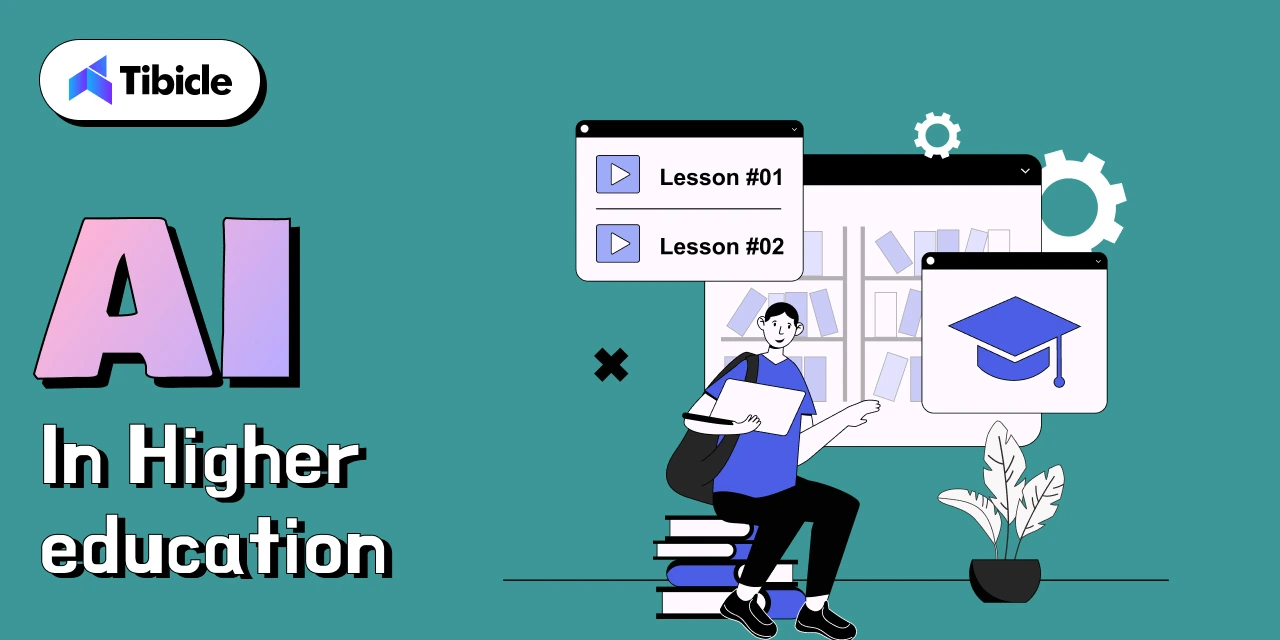
AI is making a significant impact in universities and colleges, where learning is more complex and student populations are larger. Higher education institutions are leveraging AI to personalize learning, enhance operational efficiency, and provide scalable support for diverse learners.
Key Applications:
- Virtual Teaching Assistants: Offer 24/7 academic guidance, answer common queries, and assist in research projects.
- Predictive Analytics: Analyze student performance, engagement patterns, and attendance to identify learners needing extra support.
- Automated Grading & Plagiarism Detection: Reduce administrative workload for educators.
- Career Guidance & Recommendations: Suggest relevant courses, skill development paths, and personalized academic advice.
Benefits for Students:
- Flexible access to online and hybrid learning models.
- Personalized support and adaptive course recommendations.
- Enhanced autonomy in learning, allowing students to focus on areas needing improvement.
Benefits for Institutions:
- Optimize resource allocation and curriculum design using real-time insights.
- Reduce faculty workload while maintaining high-quality teaching standards.
- Enable data-driven decisions to improve student outcomes and engagement.
By integrating AI, higher education institutions can create smarter, more adaptive learning environments that prepare students for both academic and professional success in a rapidly evolving world.
AI-Powered EdTech Platforms and SaaS Solutions
The rise of AI in education has fueled the development of EdTech platforms and SaaS solutions that transform how students learn and how educators teach. These platforms provide scalable, flexible, and adaptive learning experiences across schools, universities, and professional training programs.
Key Features:
- Personalized Content Delivery: AI adjusts lessons based on student performance and learning preferences.
- Automated Assessments: Quizzes, exercises, and progress tracking are generated dynamically.
- Analytics and Insights: Educators can monitor engagement, performance trends, and areas for improvement.
- Cloud-Based Accessibility: Students and teachers can access materials anytime, anywhere, supporting remote and hybrid learning models.
- Integration with Existing Tools: LMS, collaborative apps, and digital resources can be seamlessly combined.
Benefits:
- Reduces repetitive tasks for teachers, allowing focus on mentorship and creative instruction.
- Provides actionable insights to optimize course design and interventions.
- Scales across large institutions without additional infrastructure costs.
- Enables adaptive, student-centered learning environments.
Real-world applications include adaptive learning platforms, gamified STEM courses, language learning apps, and corporate upskilling programs. SaaS-based AI solutions make education more efficient, engaging, and accessible, setting the stage for the next generation of digital learning.
Gamification and Interactive Learning
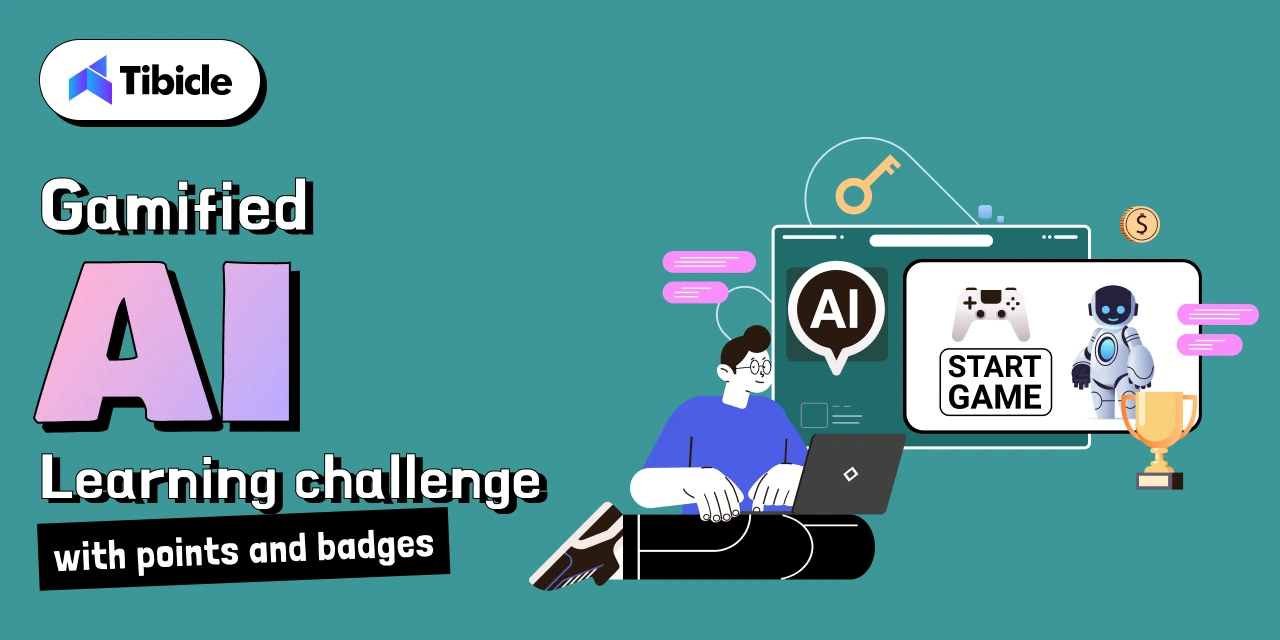
Engagement is a critical factor in effective learning, and AI-powered gamification is one of the most effective ways to keep students motivated. By incorporating game-like elements into lessons, AI platforms create interactive and immersive learning experiences that make education enjoyable and effective.
How Gamification Works with AI:
- Adaptive Challenges: Quizzes and exercises adjust difficulty based on student performance.
- Rewards and Recognition: Points, badges, and leaderboards encourage active participation.
- Collaborative Learning: Scenario-based exercises promote teamwork and problem-solving skills.
- Real-Time Feedback: AI monitors progress and provides instant guidance to correct mistakes.
Benefits for Students:
- Increases engagement and motivation.
- Reinforces learning through active participation and practice.
- Encourages critical thinking, problem-solving, and independent learning.
Benefits for Educators:
- Reduces time spent on grading and engagement tracking.
- Provides insights into student performance and learning patterns.
- Enables teachers to focus on mentorship, creativity, and personalized interventions.
By integrating gamification and interactive learning, AI transforms traditional classrooms into dynamic, student-centered ecosystems. This approach ensures long-term knowledge retention, increased curiosity, and self-paced progression for all learners.
Benefits for Students and Educators
The integration of AI in education brings significant advantages for both students and educators, creating more efficient, engaging, and personalized learning experiences.
For Students:
- Personalized Learning Paths adapting to individual strengths, weaknesses, and pace.
- Real-Time Feedback on exercises and assessments for better learning outcomes.
- Flexible Access via online and SaaS platforms.
- Gamified Learning to keep motivation high.
- Inclusive Education for diverse learners.
For Educators:
- Automation of Routine Tasks like grading and attendance.
- Data-Driven Insights for targeted interventions.
- Lesson Planning Support through AI-generated quizzes and exercises.
- Focus on Mentorship and creative teaching.
- Improved Learning Outcomes for students.
Challenges and Ethical Considerations
While AI in education offers numerous benefits, it also brings challenges and ethical considerations that institutions must address.
Key Challenges:
- Algorithmic Bias: AI systems may unintentionally favor certain groups.
- Data Privacy: Student performance and personal information must be protected.
- Over-Reliance on Technology: Human mentorship and creativity remain essential.
- Infrastructure and Training: Required for effective AI implementation.
Addressing Ethical Considerations:
- Establish transparent AI policies.
- Combine AI tools with human guidance.
- Ensure inclusive AI systems.
- Provide training and support for educators.
Conclusion
AI is revolutionizing education by creating personalized, adaptive, and engaging learning experiences for students while providing educators with automation, insights, and support. From K-12 classrooms to universities, AI-powered platforms, gamified modules, and SaaS solutions are reshaping how knowledge is delivered and consumed.
While challenges such as data privacy, algorithmic bias, and over-reliance on technology exist, careful implementation ensures that AI enhances learning outcomes and improves teaching efficiency.
At Tibicle, we specialize in developing award-winning educational platforms tailored to meet the evolving needs of the education industry. If you want to explore AI-driven solutions for your institution or learning platform, schedule your call from here or share your requirements from here, and our expert team will get back to you to discuss how we can help transform your educational experience.
FAQ: AI in Education
- How can AI be used in education?
AI can personalize learning paths, provide instant feedback, automate grading, and support adaptive content delivery for both students and educators. - What are the benefits of AI in education?
- Enhances student engagement and motivation.
- Improves knowledge retention through adaptive learning.
- Reduces course preparation and grading time for teachers.
- Provides actionable insights into student performance.
- Are there any disadvantages of AI in education?
Challenges include algorithmic bias, data privacy concerns, over-reliance on technology, and the need for teacher training to use AI tools effectively. - How does AI support gamified learning?
AI adapts challenges, quizzes, and simulations based on student performance, keeping learning interactive, engaging, and tailored to individual needs. - Can AI be applied to higher education and online platforms?
Yes. AI supports predictive analytics, virtual assistants, and adaptive online courses, enabling scalable, personalized, and efficient learning for universities and online education providers.
Custom Software Development to Scale Your Business in 2026
🚀 The Need for Custom Software in a Fast-Paced World
In today’s digital landscape, custom software development in 2026 is crucial for businesses scaling faster than ever. However, generic, off-the-shelf software simply isn’t cutting it anymore. From clunky workflows to unnecessary features, pre-built solutions often create more bottlenecks than breakthroughs.
That’s where custom software development comes in. It’s not just about having a product tailored to your needs — it’s about building a scalable foundation that grows with you, adapts to market shifts, and keeps you ahead of the competition.
💡 What is Custom Software?
Custom software is specifically designed and developed to meet the unique needs of a business, unlike generic software that offers the same features to all users. It’s built from the ground up to address your exact requirements, streamline processes, and integrate seamlessly with your existing systems.
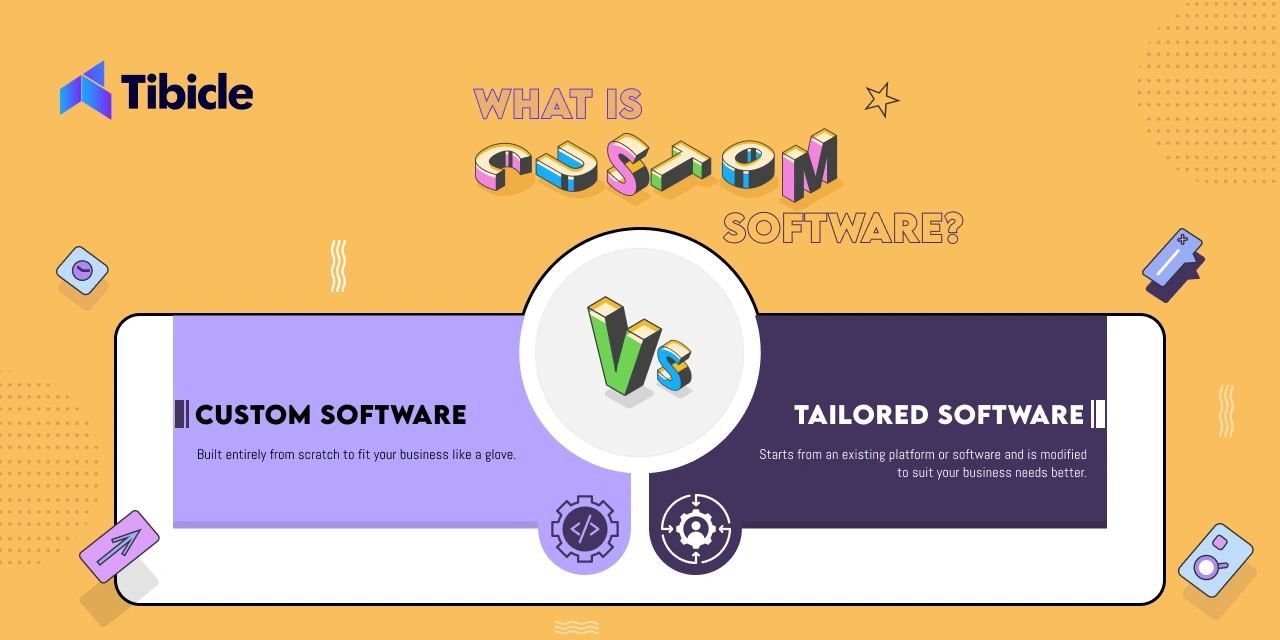
🔍 Custom Software vs. Tailored Software — What’s the Difference?
While these terms are often used interchangeably, they have distinct differences:
- Custom Software: Built entirely from scratch to fit your business like a glove. It’s fully unique, offering a competitive edge and designed to evolve with your growth.
- Tailored Software: Starts from an existing platform or software and is modified to suit your business needs better. It’s faster to develop but may have limitations compared to fully custom solutions.
In short, if you’re scaling rapidly and need a strategic edge, custom software is the smarter, long-term investment.
💡 Why Custom Software Beats Off-the-Shelf Solutions
-
Tailored to Your Business Needs: You no longer need to compromise. Instead of adjusting your processes to fit a tool, the tool adapts to fit you.
-
Scalability Built-In: As your business grows, your software should grow with you — without the need for expensive upgrades or risking performance drops.
-
Competitive Edge: Custom solutions offer unique features that competitors simply don’t have. For instance, whether it’s a personalized customer experience or an innovative backend process, you control what makes you stand out.
-
Seamless Integration: Off-the-shelf solutions often struggle to integrate with existing systems. In contrast, custom software connects effortlessly, eliminating data silos and boosting efficiency.
-
Cost Efficiency in the Long Run: Although custom development requires a higher upfront investment, it reduces long-term costs. There are no recurring license fees, fewer productivity losses, and no need for platform changes every few years.
🛠️ The Process: From Concept to Scalable Product
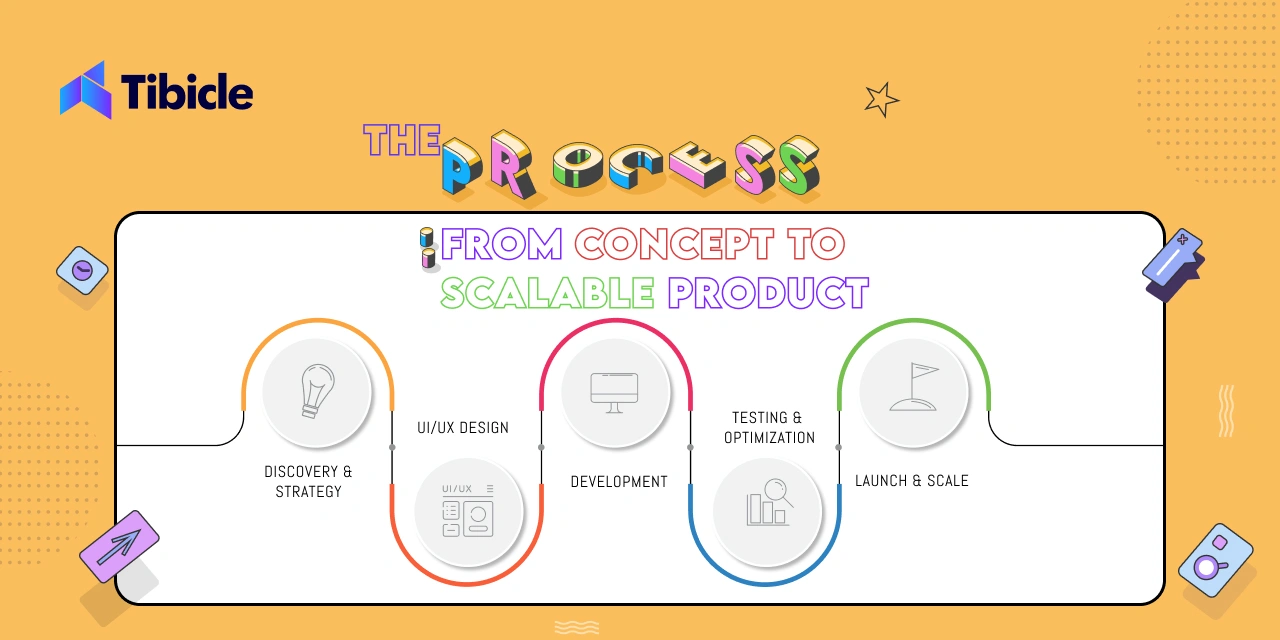
At Tibicle,, we follow a proven, end-to-end development process to ensure your custom software isn’t just functional — it’s a launchpad for growth.
- Discovery & Strategy: We dive into your business goals, challenges, and processes to define what success looks like.
- UI/UX Design: User experience isn’t an afterthought — it’s a driving force. We design clean, intuitive interfaces to ensure users engage and convert.
- Development: Our full-stack development team builds robust backends and sleek frontends, ensuring your software is fast, secure, and scalable.
- Testing & Optimization: Rigorous testing ensures everything works flawlessly. We refine performance, squash bugs, and optimize for maximum efficiency.
- Launch & Scale: We don’t just hand you the keys and walk away — we support your launch, monitor performance, and adapt as your business evolves.
🔥 Choosing the Right Development Partner
Custom software is only as good as the team behind it. When selecting a development partner, look for:
- Proven Experience: A track record of delivering scalable, user-friendly solutions.
- Full Product Lifecycle Expertise: From UI/UX to backend infrastructure.
- Agile Approach: Rapid iterations, continuous feedback, and adaptability.
- Commitment to Your Vision: A team that collaborates closely with you, not just builds what you say.
Tibicle brings all this — and more — to the table.
🎯 Conclusion: Scale Smarter, Not Harder
Scaling your business in 2026 isn’t about working harder — it’s about working smarter. Custom software development gives you the flexibility, performance, and innovation edge you need to grow on your terms.
Ready to ditch generic solutions and scale with confidence? Let’s build something powerful — together.