
Top 5 Restaurant Reservation System to Fill Tables in 2026

Aug 06, 2026

Read in 8 Minutes
Table of Contents
- What This Guide Covers
- Introduction
- What a Restaurant Reservation System Actually Does (And What It Should Do in 2026)
- The 5 Metrics That Determine If Your Restaurant Reservation System Is Working
- Top 5 Restaurant Reservation Systems in 2026: Full Comparison
- Pricing Breakdown – What You’ll Actually Pay in 2026
- ROI of a Restaurant Reservation System – What the Numbers Show
- Risks and Operational Challenges to Plan For
- Vendor Selection Checklist – 12 Questions Before You Commit
- Why Tibicle LLP Is Worth Evaluating for Custom Reservation Technology
- Conclusion
- FAQs
What This Guide Covers
Who this is for
Restaurant owners, multi-location hospitality groups, fine dining operators, cafés, QSR brands, hotel restaurants, and general managers looking to implement a restaurant reservation system to reduce no-shows, improve table utilization, increase direct bookings, and invest in reservation technology that supports long-term growth.
Search intent
Comparison and decision. This guide is for operators who already know they need a restaurant reservation system but want to understand which platform delivers the greatest operational and financial value. Instead of comparing dozens of vendors, it evaluates the leading reservation systems, explains their pricing models, guest data ownership policies, no-show protection features, and expected ROI to help restaurants choose the right platform.
What you will walk away with
A practical comparison of the top five restaurant reservation systems in 2026, including pricing models, no-show protection tools, guest CRM capabilities, POS integrations, measurable ROI benchmarks, vendor selection criteria, and a clear framework for choosing the right reservation platform based on your restaurant’s size, booking volume, and operational goals.
Introduction
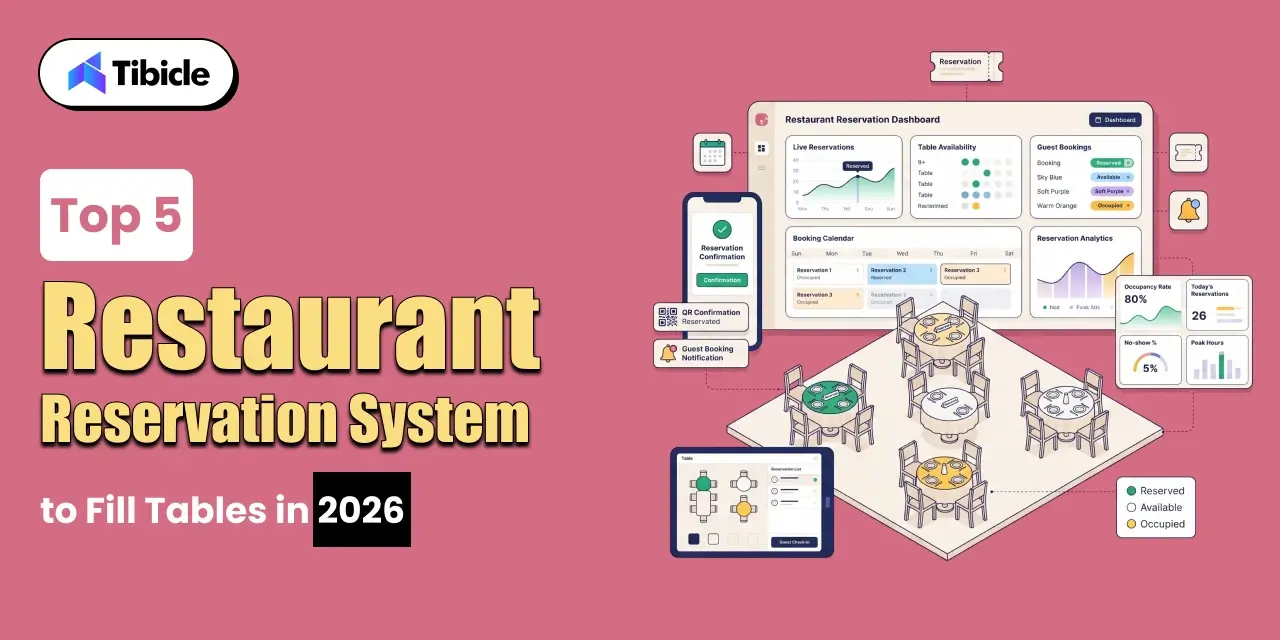
Every empty table represents lost revenue, but many restaurants underestimate just how expensive no-shows can be. Industry estimates suggest no-shows cost the global restaurant industry more than $16 billion annually, and choosing the wrong restaurant reservation system can make that problem even worse. Meanwhile, the reservation software landscape has changed dramatically. DoorDash’s acquisition of SevenRooms and the consolidation of Tock into Resy have reshaped pricing models, guest data ownership, and platform capabilities. At the same time, AI-powered seating automation has become an expected feature rather than a premium upgrade. This isn’t another feature checklist; it is a decision framework designed to help restaurant owners evaluate reservation technology based on measurable business outcomes, including margin protection, table-turn efficiency, and guest retention.
Before comparing platforms, it helps to understand exactly what separates a system that fills tables from one that simply records reservations.
What a Restaurant Reservation System Actually Does (And What It Should Do in 2026)
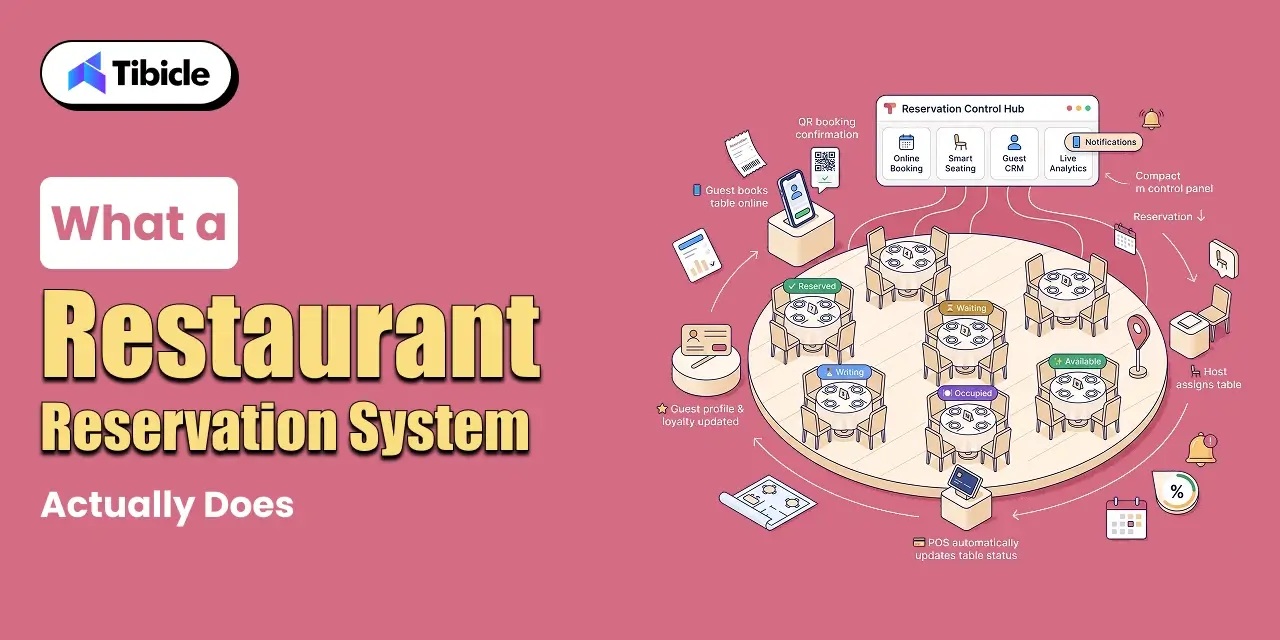
A modern restaurant reservation system does far more than allow diners to reserve a table online. It acts as the operational control center for front-of-house service, connecting reservations, table assignments, guest communication, and operational reporting into one workflow.
Legacy reservation tools focused primarily on booking availability. Today’s platforms are expected to reduce no-shows, improve seating efficiency, support personalized guest experiences, and integrate directly with POS systems. They also need to balance direct bookings with marketplace exposure while giving operators greater control over customer relationships and long-term profitability.
As reservation technology continues to evolve, choosing the right platform is no longer about selecting the system with the longest feature list. It’s about selecting the platform that aligns with your operational goals, protects your margins, and gives you ownership of your guest relationships.
Core Functions Every Restaurant Reservation System Must Cover
Every modern restaurant reservation system should provide a foundation of operational capabilities that improve both guest experience and restaurant efficiency.
- 24/7 online booking through your website as well as selected third-party channels.
- Waitlist management with live table availability and automatic guest notifications.
- Automated booking confirmations and reminder sequences that reduce no-shows.
- Floor plan management with drag-and-drop seating assignments for faster table allocation.
- Cancellation policy enforcement through deposits, credit-card holds, or configurable cancellation windows.
What Separates Modern Restaurant Reservation System from Legacy Tools
While core booking functionality remains essential, today’s leading platforms differentiate themselves through automation, customer intelligence, and operational integration.
- AI-driven seating optimization that recommends the most efficient table assignments rather than relying solely on manual rules.
- Integrated guest CRM that stores dining preferences, visit history, special occasions, and spending behavior.
- A clear distinction between direct bookings and marketplace bookings, allowing operators to understand the true acquisition cost of every reservation.
- Native POS integration that automatically updates table status based on real-time dining activity.
- Intelligent same-day availability management that responds dynamically to changing table turnover rather than relying on static booking slots.
What Most Restaurant Reservation System Buyers Overlook
Many restaurant operators compare features without fully evaluating long-term operational implications.
Before choosing any platform, consider:
- Guest data ownership and whether customer information remains yours if reservations originate through a marketplace.
- Hidden cover fees that increase operating costs as booking volume grows.
- Platform lock-in created by recent acquisitions and ecosystem consolidation, particularly within large reservation networks.
Understanding these differences early helps operators avoid expensive migrations while selecting technology that continues supporting business growth over the long term.
The 5 Metrics That Determine If Your Restaurant Reservation System Is Working
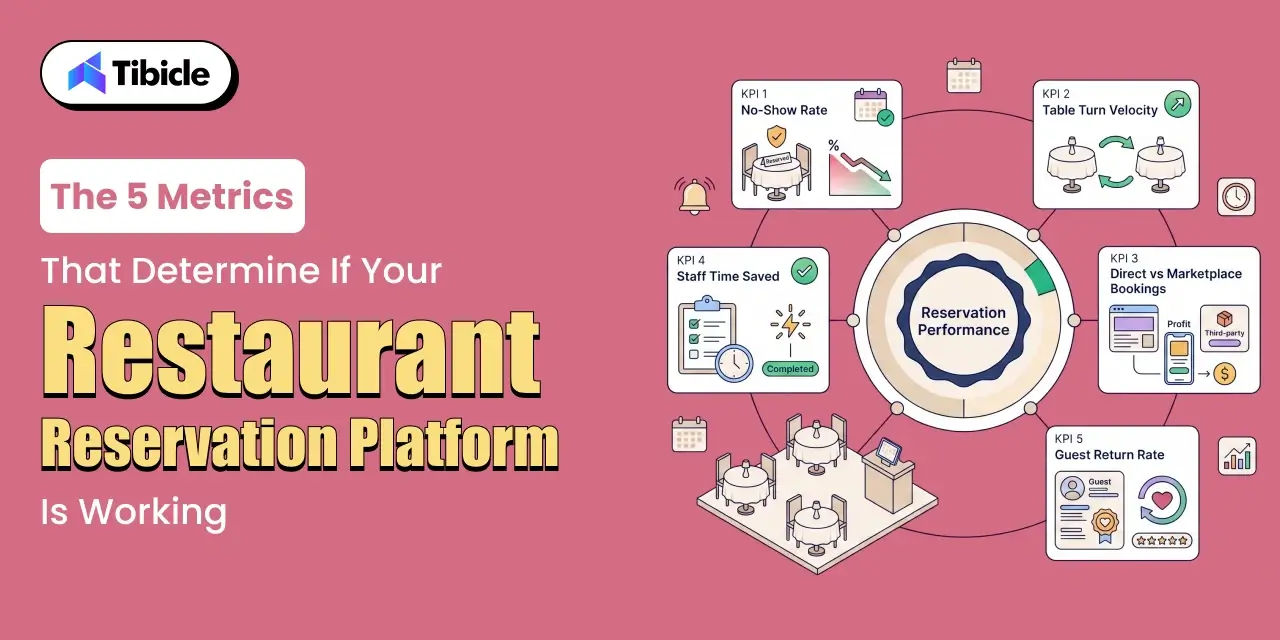
Choosing a restaurant reservation system isn’t just about adding online booking to your website. The right platform should deliver measurable improvements across revenue, operational efficiency, and guest experience. If your reservation software isn’t reducing no-shows, improving table utilization, and helping you build stronger customer relationships, it isn’t creating meaningful business value.
Rather than focusing only on feature lists, evaluate your platform using five operational metrics that directly affect profitability.
No-Show Rate Benchmark
The average restaurant experiences a 15–20% no-show rate, making empty tables one of the biggest hidden sources of lost revenue. A well-configured restaurant reservation system with deposit collection, automated SMS reminders, and configurable cancellation policies should reduce that figure to below 8%.
If your current platform doesn’t support flexible no-show protection, every missed reservation becomes preventable revenue loss.
Table Turn Velocity
Every additional table turn during a busy service increases revenue without adding more seats.
Modern reservation platforms use AI-assisted seating optimization, live table status, and dynamic floor management to reduce idle time between parties. Faster table turns allow restaurants to serve more covers during peak hours while maintaining service quality.
Platforms relying on static reservation slots often leave unnecessary gaps that reduce overall dining capacity.
Direct vs. Network Booking Ratio
Not every reservation costs the same.
Reservations generated through marketplace platforms often include cover fees, typically ranging from $1 to $1.50 per seated diner. A restaurant processing 1,500 network reservations each month can spend $1,500–$2,250 in cover fees alone, excluding subscription costs.
Encouraging more direct bookings through your own website or app helps reduce acquisition costs while improving profitability over time.
Guest Return Rate
A modern restaurant reservation system should function as more than a booking tool. Platforms with integrated guest CRM capabilities record visit history, dining preferences, birthdays, special occasions, and spending behavior.
This information enables personalized marketing campaigns, targeted promotions, and loyalty initiatives that encourage repeat visits.
Returning guests typically generate significantly higher lifetime value than first-time diners, making guest retention one of the most valuable long-term performance metrics.
Staff Hours Recovered
Reservation management consumes valuable management time when handled manually.
Automated confirmations, digital waitlists, table assignments, and guest communication reduce repetitive administrative work while allowing managers to spend more time improving service and supporting staff.
Restaurants implementing modern reservation software often recover 8–10 management hours per week, creating measurable labor savings while improving front-of-house operations.
Top 5 Restaurant Reservation Systems in 2026: Full Comparison
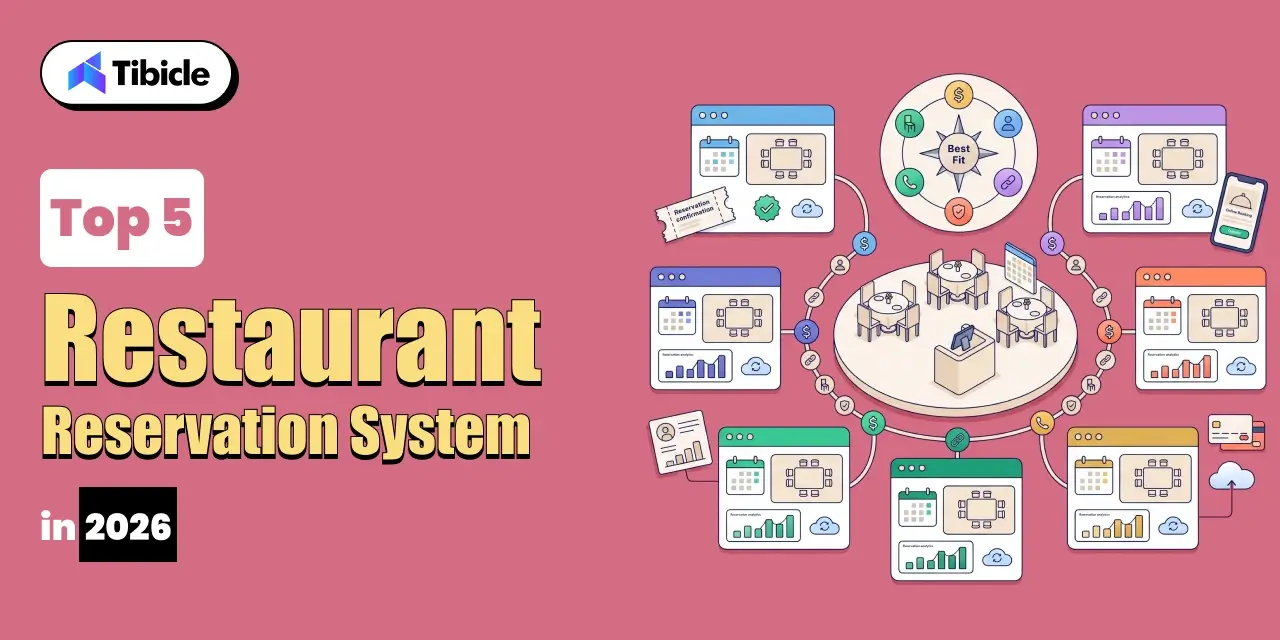
Choosing the right restaurant reservation system isn’t about selecting the platform with the most features, it’s about finding the solution that delivers measurable improvements in occupancy, guest experience, and profitability. While every platform promises to simplify bookings, they differ significantly in pricing, guest data ownership, no-show protection, integrations, and long-term scalability.
For some restaurants, the priority is attracting new diners through a large discovery network. Others want complete ownership of guest relationships, stronger CRM capabilities, or better integration with their existing restaurant booking system and POS. Understanding these differences is essential because the wrong pricing model or data policy can become increasingly expensive as reservation volume grows.
The platforms below were evaluated based on the operational outcomes that matter most to restaurant owners rather than the number of available features.
How We Evaluated Each Restaurant Reservation System
Each platform was assessed using six criteria, weighted according to its impact on day-to-day restaurant operations and long-term profitability.
- Pricing and total cost of ownership (25%) – Monthly subscription costs, per-cover fees, hidden charges, and scalability.
- Core reservation and table management features (25%) – Booking workflows, waitlist management, floor plan management, deposits, and guest communication.
- Guest CRM and data ownership (20%) – Ownership of guest profiles, dining history, preferences, and marketing capabilities.
- POS and third-party integrations (10%) – Native POS integration, payment gateways, and compatibility with hospitality technology.
- Ease of setup and customer support (10%) – Onboarding experience, implementation time, training resources, and ongoing support.
- No-show protection tools (10%) – Deposit collection, automated reminders, cancellation policy enforcement, and configurable booking rules.
Rather than focusing on marketing claims, this evaluation emphasizes operational efficiency, revenue protection, and long-term value.
Restaurant Reservation System Platform-by-Platform Breakdown
OpenTable remains the largest restaurant reservation system by diner discovery. Its extensive marketplace helps restaurants attract new customers, but subscription costs and per-cover fees can become expensive for high-volume venues.
Resy continues to position itself as the preferred choice for premium and fine-dining restaurants. With American Express consolidating Tock into the Resy ecosystem, operators should closely monitor future pricing, integrations, and guest data policies.
SevenRooms is widely recognized for its advanced guest CRM, personalized marketing tools, and direct guest relationship management. Following DoorDash’s acquisition, it has become an attractive option for hospitality groups seeking stronger customer engagement beyond reservations.
Eat App offers one of the strongest value propositions for independent restaurants and regional chains. Its flexible pricing, no cover fees on standard plans, and comprehensive reservation management tools make it an appealing option for operators looking to control costs while maintaining guest ownership.
Tock continues to differentiate itself through prepaid bookings, ticketed dining experiences, and event-based reservations. It is particularly well suited for tasting menus, chef’s tables, and venues where reducing no-shows is critical to profitability.
Restaurant Reservation System Side-by-Side Comparison
| Platform | Starting Price | Cover Fees | Guest Data Ownership | No-Show Tools | Best For |
| OpenTable | $149/month | $1–$1.50 per network cover | Limited on Basic plans | Credit card holds and deposits | High-volume restaurants focused on diner discovery |
| Resy | Custom pricing | Not publicly disclosed | Moderate | Deposits and automated reminders | Upscale and fine-dining restaurants |
| SevenRooms | $499+/month | None | Full ownership | Deposits, CRM triggers, automated communication | Hotel groups and multi-venue hospitality businesses |
| Eat App | $0–$229/month | None | Full ownership | Automated reminders and deposits | Independent restaurants and regional chains |
| Tock | Custom pricing | None | Full ownership | Prepaid reservations and ticketed experiences | Event-driven restaurants and experiential dining |
Not sure which platform fits your venue type and booking volume? Tibicle’s hospitality technology specialists can evaluate your current reservation workflow, guest journey, and operational requirements to recommend the right solution for your business, without a sales pitch. Get a Free Assessment.
Pricing Breakdown – What You’ll Actually Pay in 2026
Choosing a restaurant reservation system based solely on the advertised monthly subscription price can be misleading. The real investment depends on your booking volume, pricing model, integrations, payment processing, and long-term operational requirements. A platform that appears affordable at first can become significantly more expensive as reservation numbers increase, particularly if it charges cover fees for every diner seated through its marketplace.
Before comparing vendors, calculate the total cost of ownership (TCO) rather than focusing only on the monthly plan price.
The Three Pricing Models You’ll Encounter
Restaurant reservation platforms generally use one of three pricing structures.
- Flat Subscription – A predictable monthly fee regardless of booking volume. This model is ideal for restaurants with consistent reservation traffic because costs remain stable as bookings grow.
- Subscription + Per-Cover Fees – A monthly subscription combined with charges for every diner booked through the platform’s marketplace. While this model increases visibility, it can significantly reduce margins for high-volume restaurants.
- Pay-as-You-Go or Free Tier – Designed for smaller restaurants or businesses testing reservation software. These plans typically include limited features and booking capacity, with upgrades required as operational needs increase.
Understanding which pricing model aligns with your expected booking volume is just as important as comparing features.
Real Cost Scenarios by Venue Size
Different restaurant types experience very different software costs.
Small Independent Restaurant (600 covers/month)
A restaurant processing approximately 600 reservations per month could spend $600–$900 in monthly network cover fees with OpenTable before accounting for the subscription itself. By comparison, Eat App’s entry-level plans provide significantly lower operating costs because they do not charge per-cover fees on direct bookings.
Mid-Size Regional Chain (1,500 covers/month)
At around 1,500 monthly covers, OpenTable’s per-cover pricing can exceed $1,500–$2,250 every month. For businesses operating at this scale, platforms such as SevenRooms become financially attractive because they eliminate cover fees while providing stronger guest CRM capabilities.
Fine Dining and Event-Driven Restaurants
Restaurants offering tasting menus, chef’s tables, wine-pairing experiences, or ticketed events often benefit from Tock’s prepaid reservation model. Revenue is collected before guests arrive, virtually eliminating no-show losses while protecting margins on high-value dining experiences.
Hidden Costs to Audit Before Signing
Before selecting any restaurant reservation system, evaluate costs beyond the advertised subscription.
- Per-cover charges applied to marketplace bookings.
- Data export fees or restrictions on accessing guest information.
- Additional charges for POS integration.
- Onboarding, implementation, or training fees.
- Annual contract commitments and early termination penalties.
Understanding these costs upfront helps operators compare platforms based on long-term profitability rather than introductory pricing alone.
ROI of a Restaurant Reservation System – What the Numbers Show
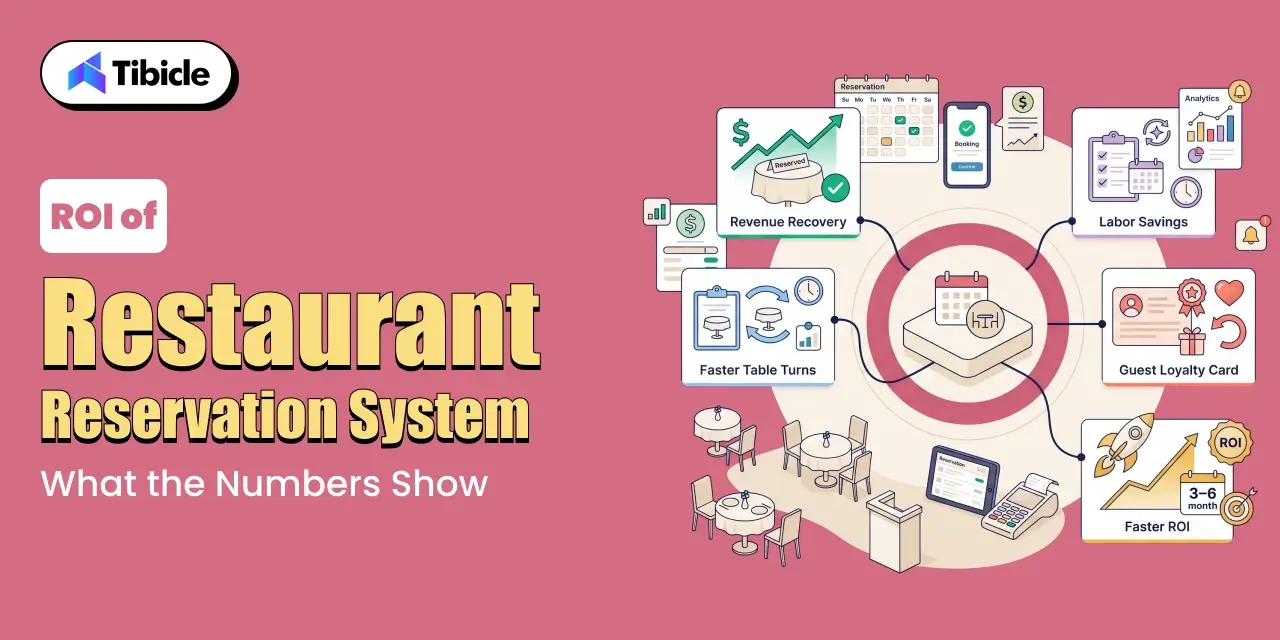
A modern restaurant reservation system should generate measurable financial returns rather than simply digitizing reservations. The strongest ROI comes from reducing no-shows, increasing table utilization, automating operational tasks, and improving guest retention.
No-Show Reduction = Direct Revenue Recovery
Restaurants using AI-enabled reservation platforms with automated reminders, deposit collection, and cancellation policy enforcement typically reduce no-show rates by 25–40%.
For a restaurant managing 1,500 reservations each month with a 20% no-show rate, recovering even half of those missed bookings results in approximately 150 additional covers every month, directly increasing revenue without additional marketing spend.
Table Turn Improvement
Every minute a table sits empty between guests represents lost earning potential.
Reservation platforms using seating optimization together with live POS integration reduce delays between seatings by automatically updating table availability. Even improving average table turnover by 10 minutes across multiple services can create additional seating capacity without expanding the dining room.
Labor Cost Recovery
Modern online reservation software automates guest communication, waitlists, confirmations, and floor management, reducing repetitive administrative work.
Restaurants commonly recover 8–10 management hours each week. At an average labor cost of $25–$35 per hour, this represents approximately $800–$1,400 in monthly productivity gains, often enough to offset the software subscription itself.
Guest Lifetime Value Growth
Platforms with integrated guest CRM capabilities record visit history, dining preferences, anniversaries, birthdays, and average spending patterns.
This data enables targeted marketing campaigns that encourage repeat visits and increase customer lifetime value. Converting even 10% of first-time diners into regular guests can significantly improve long-term revenue without increasing acquisition costs.
Payback Period
Most mid-tier restaurant reservation system implementations achieve measurable ROI within three to six months when operators actively monitor no-show reductions, direct booking growth, labor savings, and improved table utilization.
The most successful implementations don’t evaluate ROI based on subscription costs alone; they measure operational improvements across every stage of the guest journey.
Risks and Operational Challenges to Plan For
Selecting the right restaurant reservation system is only part of the decision. Successful implementation also depends on platform stability, data ownership, integration quality, and long-term pricing. Overlooking these factors can increase operational costs, limit flexibility, and make switching providers far more difficult in the future.
Before committing to any platform, restaurant operators should evaluate not only current features but also how the software will perform as the business grows.
Platform Acquisition Risk
The reservation software market changed significantly during 2025–2026. DoorDash acquired SevenRooms for $1.2 billion, while American Express began consolidating Tock into the Resy platform. These acquisitions may introduce pricing changes, product updates, integration adjustments, or feature deprecations over time.
When evaluating a restaurant reservation system, consider the vendor’s long-term roadmap and platform stability, not just its current feature set.
Guest Data Lock-In
One of the most overlooked issues is guest data ownership.
Some reservation platforms, particularly those built around marketplace bookings, retain customer contact information within their own ecosystem. If you decide to migrate to another platform, exporting guest profiles, visit history, and marketing lists may be restricted or unavailable.
Before signing any agreement, confirm who owns the guest database and whether customer information can be exported without additional fees or limitations.
Cover Fee Scaling Risk
A pricing model that works well for a small independent restaurant may become expensive as reservation volume increases.
Platforms that charge cover fees on marketplace bookings can significantly impact profitability at scale. A restaurant processing 2,000 reservations per month may spend thousands of dollars annually in per-cover charges alone.
Before choosing a platform, model your projected software costs based on your current booking volume and expected growth over the next two to three years.
Integration Failure Points
A restaurant reservation system should work seamlessly with your existing technology stack.
Poor POS integration can create duplicate bookings, inaccurate table status, delayed kitchen communication, and reporting inconsistencies. Before implementation, verify that integrations are native, fully supported, and tested in a live operating environment, not just demonstrated during a sales presentation.
Over-Reliance on the Discovery Network
Discovery platforms such as OpenTable provide valuable exposure to new diners, but they also create platform dependency.
Changes to search rankings, commission structures, cover fees, or marketplace algorithms can directly affect booking volume. Restaurants that rely exclusively on network-generated reservations have less control over customer acquisition and long-term marketing costs.
Building a healthy balance between marketplace visibility and direct bookings helps reduce dependency while improving profitability and strengthening customer relationships.
Vendor Selection Checklist – 12 Questions Before You Commit
Selecting the right restaurant reservation system should involve more than comparing pricing pages or feature lists. Before signing a contract, decision-makers should evaluate operational fit, data ownership, financial terms, and long-term scalability.
Operational Fit
- Does the platform support your current reservation volume without excessive cover fees?
- Does it integrate directly with your existing POS system?
- Can it manage multiple dining areas, private rooms, patios, or multiple restaurant locations from one dashboard?
Data and Ownership
- Do you own complete guest CRM data, including customer contact information?
- Can guest history be exported if you switch platforms later?
- Does the platform provide APIs for integrating with your CRM, loyalty, or marketing tools?
Financial Terms
- What is the total cost of ownership at your current booking volume, and at two or three times that volume?
- Are onboarding, implementation, and training costs included?
- Are there annual contracts, minimum commitments, or early termination penalties?
No-Show and Risk Management
- Does the platform support deposits and cancellation policy enforcement?
- Are automated reminders via SMS and email included or sold as paid add-ons?
- Can overbooking rules be customized using historical no-show patterns?
Completing this checklist before making a purchasing decision helps restaurants avoid costly software migrations while ensuring the platform can continue supporting future growth.
Why Tibicle LLP Is Worth Evaluating for Custom Reservation Technology
Off-the-shelf restaurant reservation system platforms are designed to solve common hospitality challenges, but they don’t always fit businesses with unique operational workflows, multiple locations, or complex technology ecosystems. As restaurants grow, many operators find themselves managing disconnected systems for reservations, CRM, POS, loyalty programs, and reporting, leading to duplicated work and limited operational visibility.
Tibicle LLP develops custom reservation technology tailored to the way your restaurant operates. Rather than forcing your team to adapt to predefined software limitations, we build solutions around your booking workflows, guest experience strategy, and operational requirements. Whether you need advanced table management software, a custom guest CRM, seamless POS integration, or a fully connected hospitality platform, our integration-first approach ensures every component works together efficiently.
If your current reservation platform is limiting your growth, a custom solution may deliver greater flexibility, stronger data ownership, and a lower long-term total cost of ownership.
Need a reservation platform built around your business instead of someone else’s product roadmap? Schedule a discovery call with Tibicle LLP to explore your options.
Conclusion
The best restaurant reservation system isn’t necessarily the one with the longest feature list, it’s the one that helps you reduce no-shows, improve table utilization, increase direct bookings, and retain complete ownership of your guest relationships.
As the reservation technology market continues to evolve through acquisitions and AI-driven innovation, restaurant operators need to evaluate platforms based on long-term value rather than short-term pricing. Compare total cost of ownership, understand how cover fees affect profitability, verify your guest data ownership, and ensure the platform integrates seamlessly with your existing technology stack.
The right investment today should continue supporting your business as reservation volumes grow and customer expectations evolve.
Ready to optimize your reservation strategy or build a custom booking platform that fits your operation perfectly? Talk to Tibicle LLP and discover how the right technology can help you fill more tables while protecting your margins.
FAQs
What is the average cost of a restaurant reservation system in 2026?
Pricing ranges from free plans for small restaurants to $899+ per month for enterprise solutions. Most mid-market platforms fall between $109 and $299 per month. Operators should also consider cover fees, onboarding costs, POS integrations, and long-term subscription pricing when evaluating the total cost of ownership.
Do restaurant reservation systems reduce no-shows?
Yes. Modern platforms equipped with deposit collection, automated SMS and email reminders, and cancellation policy enforcement typically reduce no-show rates by 25–40%, helping restaurants recover lost revenue while improving table utilization.
What is a cover fee and how does it affect costs?
A cover fee is a per-diner charge applied by some marketplace reservation platforms. For example, OpenTable charges approximately $1–$1.50 per seated diner for network reservations. While manageable at lower volumes, these fees can significantly reduce margins as booking numbers increase.
Which reservation system is best for independent restaurants?
For many independent restaurants, Eat App offers one of the strongest value propositions thanks to its flexible pricing, no standard cover fees, and full guest data ownership. The best platform, however, depends on your reservation volume, service model, and integration requirements.
Can a restaurant reservation system integrate with my existing POS?
Most modern restaurant reservation systems support POS integration, but compatibility varies between vendors. Before purchasing, confirm that your specific POS platform is supported through a native integration rather than relying on third-party middleware.
What happened to Tock and SevenRooms in 2025–2026?
The reservation software market experienced major consolidation during this period. DoorDash acquired SevenRooms for $1.2 billion in June 2025, while American Express began integrating Tock into the Resy platform, with consolidation expected during 2026. Restaurants using either platform should monitor product updates, pricing changes, and guest data policies as these transitions continue.
Schedule A Developer Interview And Get 15 Days Risk-Free Trial
Schedule a Call

Relevant Blog
Custom AI Chatbot Development Services

Diya Koradiya

GraphRAG Implementation Services

Arjun Shinojiya
Enterprise AI Automation Development Agency
Arjun Shinojiya
Written by

Recent Blogs
Custom AI Chatbot Development Services
What This Guide Covers Who this is for: CIOs, CTOs, AI leaders, operations executives, customer support teams, and enterprise technology decision-makers evaluating custom AI chatbot development services for internal knowledge access, customer support, helpdesk automation, or other business-critical use cases. It is particularly relevant for organisations with proprietary knowledge bases, sensitive data, complex access controls, […]
GraphRAG Implementation Services
Who this is for: Engineering leads and product owners at enterprise SaaS companies evaluating GraphRAG implementation services for a knowledge base or retrieval system that vector search alone is not answering well. Search intent: Commercial evaluation with a technical backbone. The reader has moved past “what is GraphRAG” and wants to know when a knowledge […]
Enterprise AI Automation Development Agency
Who this is for: Operations leads, CTOs, and process owners evaluating an enterprise AI automation development agency for a full business process rather than a single bolted-on bot. Search intent: Commercial evaluation with a technical backbone. The reader has moved past “what is workflow automation” and wants to know why point-solution RPA plateaus, what end-to-end […]
Got an Idea? Get FREE Consultation
In our world, there's no such thing as having too many clients

