
Best framework for desktop application in 2026

Dec 19, 2025

Read in 4 Minutes
Table of Contents
Introduction
The desktop application landscape in 2026 is more dynamic than ever. What once required platform-specific coding and months of development can now be achieved faster, smarter, and more efficiently thanks to modern frameworks that bridge performance, portability, and design.
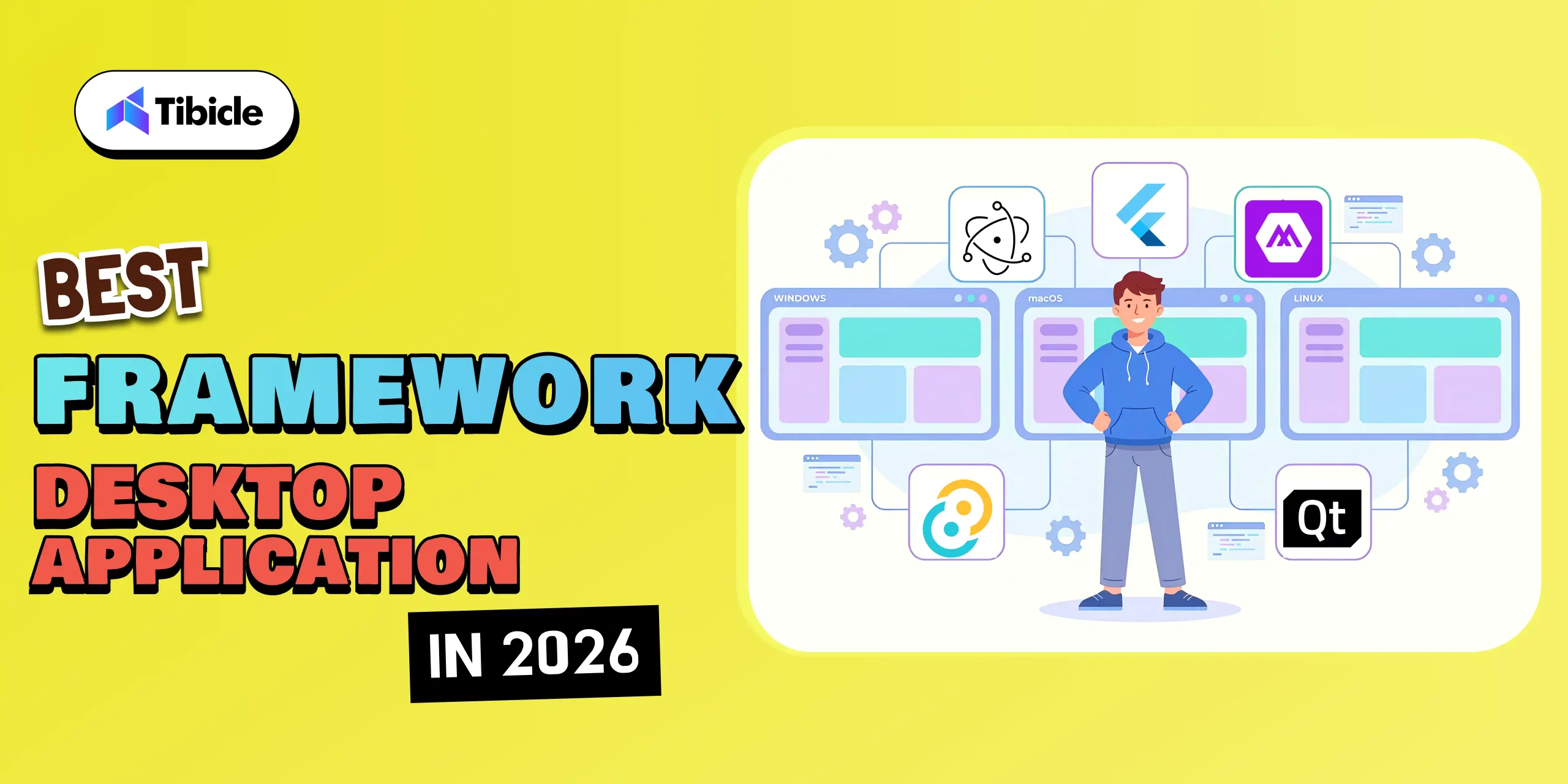
From AI-driven desktop tools to cross-platform productivity suites, businesses are investing in desktop apps that deliver native-like speed, offline capability, and deep system integration features that web apps alone can’t fully match.
With a wide array of options available, including Electron, Tauri, .NET MAUI, Qt, and Flutter, a critical question arises:
👉 Which framework should you choose for your next desktop project in 2026?
In this blog, we will explore the top frameworks shaping desktop app development this year. We’ll compare their capabilities, use cases, and performance benchmarks, allowing you to make informed decisions and create applications that excel in both usability and innovation.
The right framework doesn’t just help you build faster, it helps you build better, future-ready desktop experiences that scale seamlessly across devices.
Why Choosing the Right Framework Matters
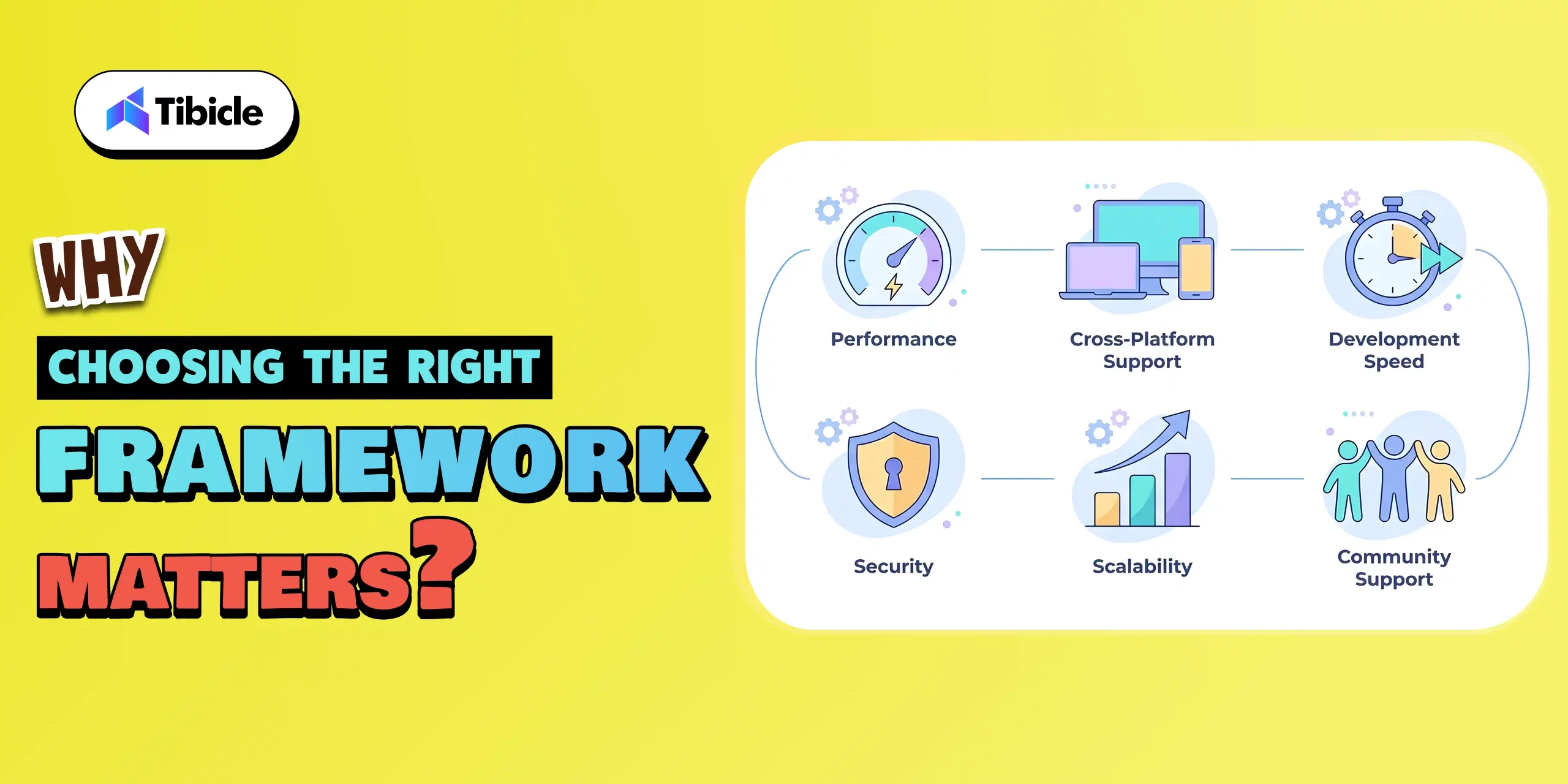
Choosing the right framework is one of the most important decisions in desktop application development. It affects not only the current performance of your app but also how easily it can scale, evolve, and remain relevant in the rapidly changing tech landscape of 2026.
Performance and efficiency
Your framework has a direct impact on your app’s speed, responsiveness, and resource consumption.
- A lightweight framework, such as Tauri or Qt, ensures fast load times and lower memory usage.
- On the other hand, frameworks such as Electron may consume more resources but offer greater flexibility and community support.
Cross-Platform Compatibility
Different frameworks handle multi-OS support differently.
- .NET MAUI, Flutter, and Electron allow developers to create apps for Windows, macOS, and Linux from a single codebase.
- Native frameworks like Qt provide deeper integration and performance but may require more configuration.
Development Speed and Productivity
In today’s fast-moving tech world, speed matters as much as quality. The framework you choose can dramatically impact how quickly your team can design, test, and deliver your desktop app.
- Frameworks with ready-made UI components, hot reload, and strong community support, like Flutter or Electron, help teams move faster from idea to execution.
- Platforms such as .NET MAUI, paired with tools like Visual Studio, make it easy to build, debug, and deploy with minimal friction.
Security and Scalability
In 2026, security isn’t just a feature; it’s a necessity. As desktop applications handle more sensitive data and integrate with cloud systems, choosing a framework that prioritizes safety and future growth has become more important.
- Rust frameworks, such as Tauri, make apps safer by enhancing memory management and protecting data. They eliminate common security issues from the outset.
- Look for frameworks that make it simple to add secure APIs, encrypted local storage, and user authentication systems such as role-based access control.
Community Support and Growth
A strong ecosystem means access to plugins, documentation, tutorials, and community discussions.
- Electron and Flutter lead in community size and third-party integrations.
- Frameworks like Tauri and .NET MAUI are growing rapidly with modern tooling and active contributor bases.
Top 5 Desktop Application Frameworks in 2026
1. Electron:
Why It’s Leading:
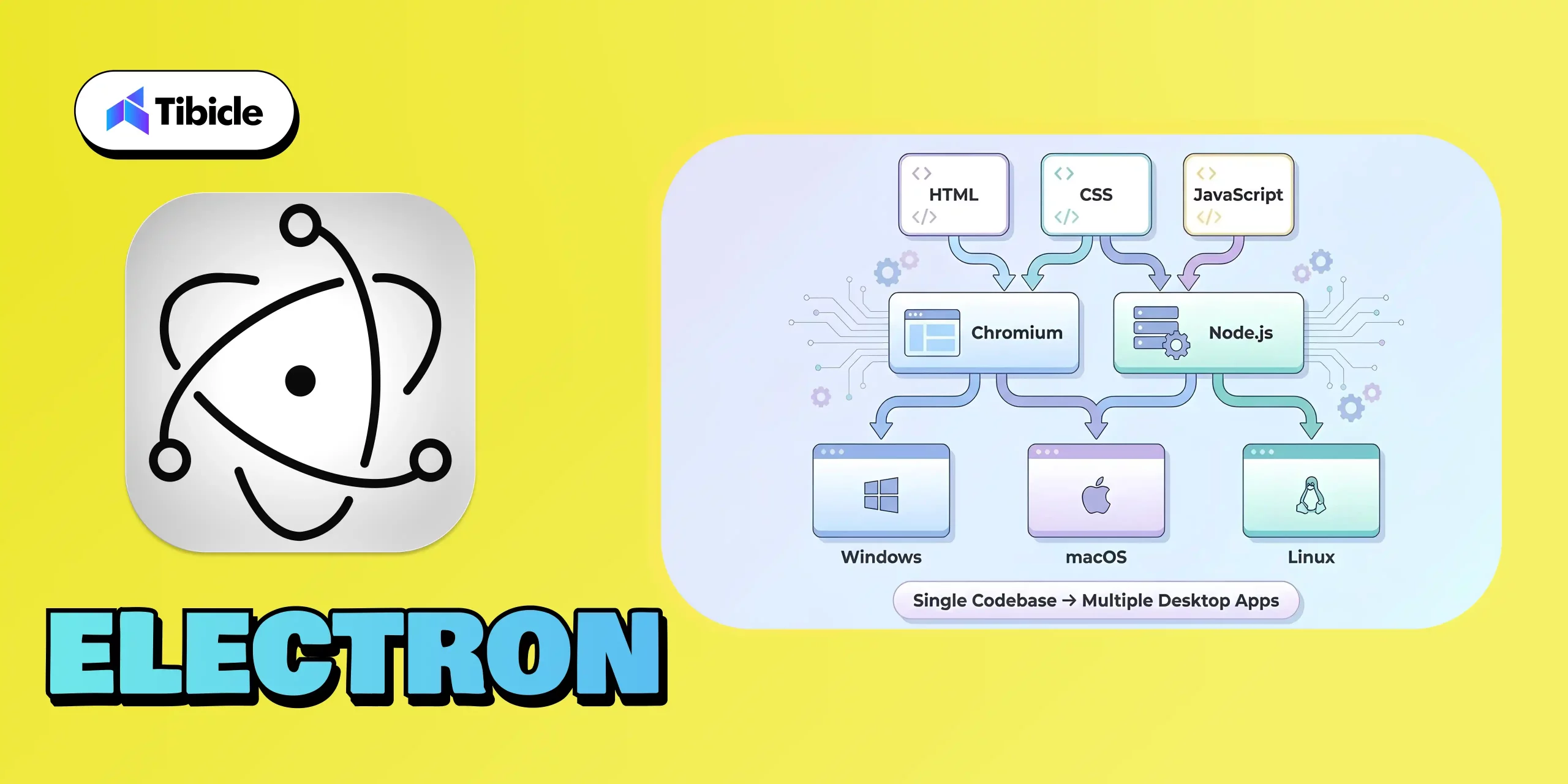
In 2026, Electron remains one of the leading desktop development frameworks, particularly for developers who are already familiar with web technologies.
Built by GitHub and powered by Chromium and Node.js, Electron makes it incredibly easy to convert a web app into a fully functional desktop experience. You don’t need to learn a new language or complex architecture; if you know how to build for the web, you can build for the desktop.
Its real strength lies in accessibility and flexibility. Electron allows teams to create apps that run smoothly on Windows, macOS, and Linux using one familiar tech stack: HTML, CSS, and JavaScript.
What It’s Best For:
- Works with Modern Frameworks such as Angular, React, and Vue.js
- Cross-platform SaaS tools
- Internal productivity software
- Startups looking for a quick development turnaround
Why Developers Choose It:
- Universal Compatibility: Works seamlessly across Windows, macOS, and Linux.
- Familiar Tech Stack: Uses standard web technologies (HTML, CSS, JavaScript).
- Massive Ecosystem: Thousands of open-source plugins and libraries available.
- Strong Community: Backed by large developer groups and major companies.
Example Apps:
2. Flutter:
Why It’s Leading:
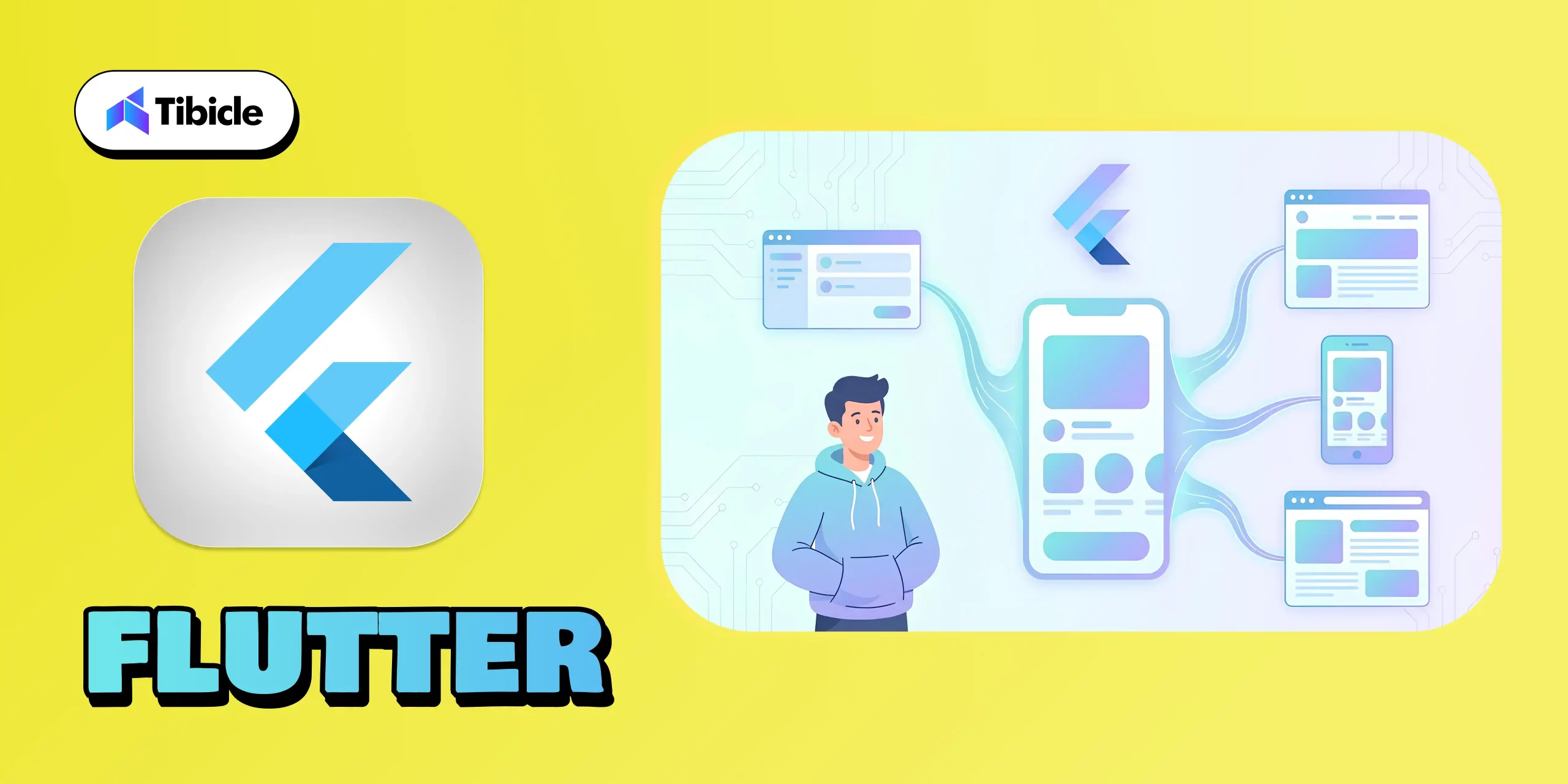
Flutter has become a major leader in 2026 because it offers something rare: one codebase for desktop, mobile, and web. Backed by Google, Flutter gives developers a fast way to build apps with beautiful, consistent UIs across Windows, macOS, Linux, iOS, Android, and browsers.
Its biggest strengths are its rich widget library, smooth performance, and hot reload, which make development faster and more enjoyable. Although desktop support is still evolving, Flutter stands out for teams that want design flexibility, multi-platform reach, and a modern development experience, all without managing separate codebases.
What It’s Best For:
- Consumer-facing apps need a consistent UI across devices
- Modern SaaS products are expanding to multiple platforms.
- Teams prioritizing speed, design, and shared code logic.
Why Developers Choose It:
- One Codebase for All: Build once for desktop, mobile, and web.
- Pixel-Perfect UI: Beautiful widgets and customizable layouts.
- Hot Reload: Real-time testing and instant UI feedback.
- Strong Community: Backed by Google and a massive global developer base.
Example Apps:
3. .NET MAUI:
Why It’s Leading:
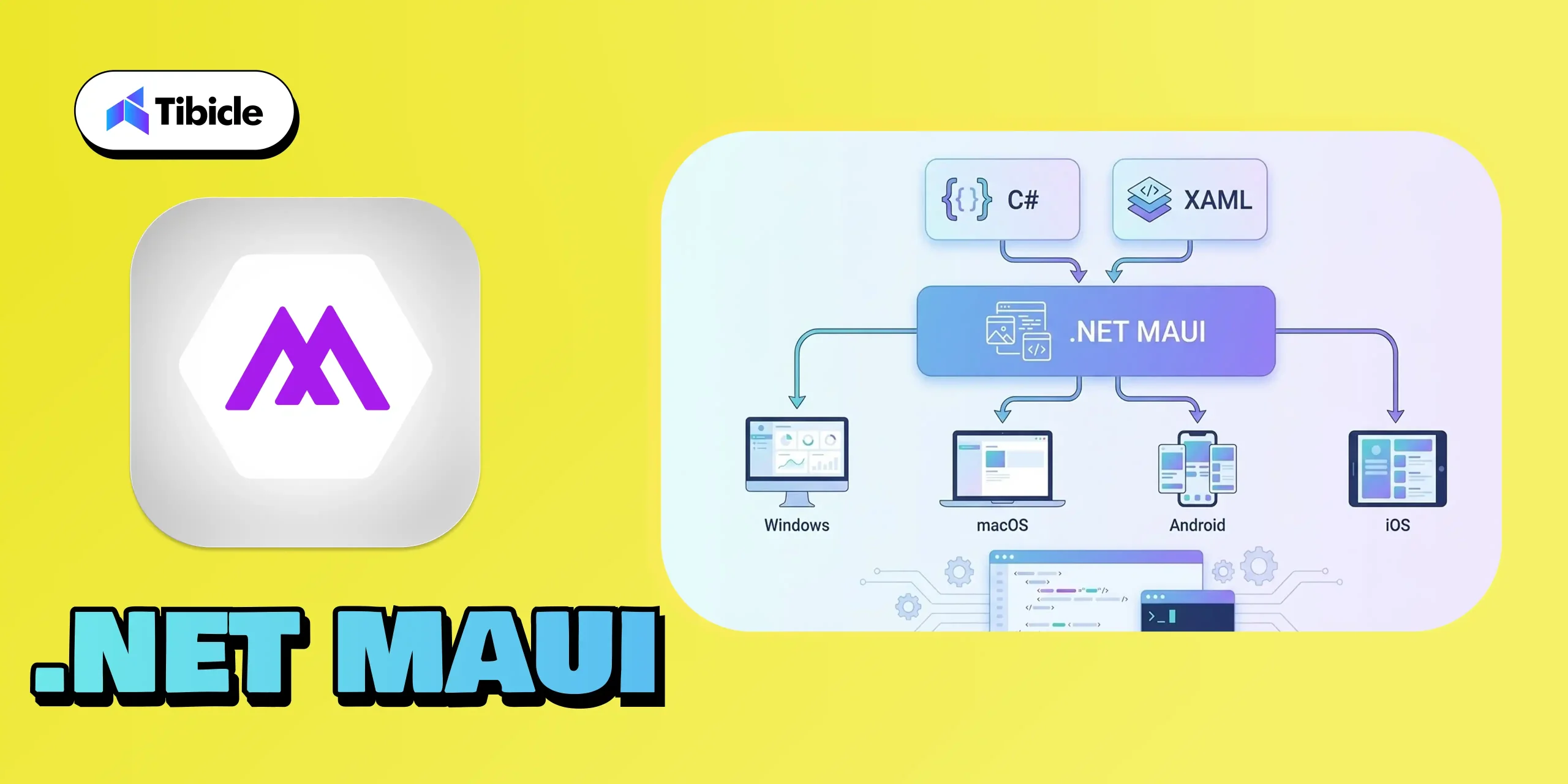
.NET MAUI stands out in 2026 because it gives developers a unified way to build apps for Windows, macOS, Android, and iOS using familiar C# and XAML. With strong support from Microsoft and seamless integration with Visual Studio, it’s a natural fit for teams working within the .NET environment.
Its capability to deliver native performance across various platforms makes it a reliable choice for enterprise-grade applications. For businesses seeking a stable, scalable, and future-ready framework, .NET MAUI remains one of the most trustworthy options available today.
What It’s Best For:
- Business and enterprise-grade applications
- Internal dashboards, CRMs, and tools
- Apps that demand native Windows integration
- Teams already skilled in .NET and C#
Why Developers Choose It:
- Unified Codebase: Write once, run across Windows, macOS, Android, and iOS.
- Strong IDE Support: Deep Visual Studio integration simplifies deployment.
- Native Performance: Uses native controls for a true OS experience.
- Enterprise-Ready: Perfect fit for corporate environments with existing Microsoft infrastructure.
Example Apps:
- Microsoft To-Do
- Custom enterprise ERP and inventory systems
4. Tauri:
Why It’s Leading:
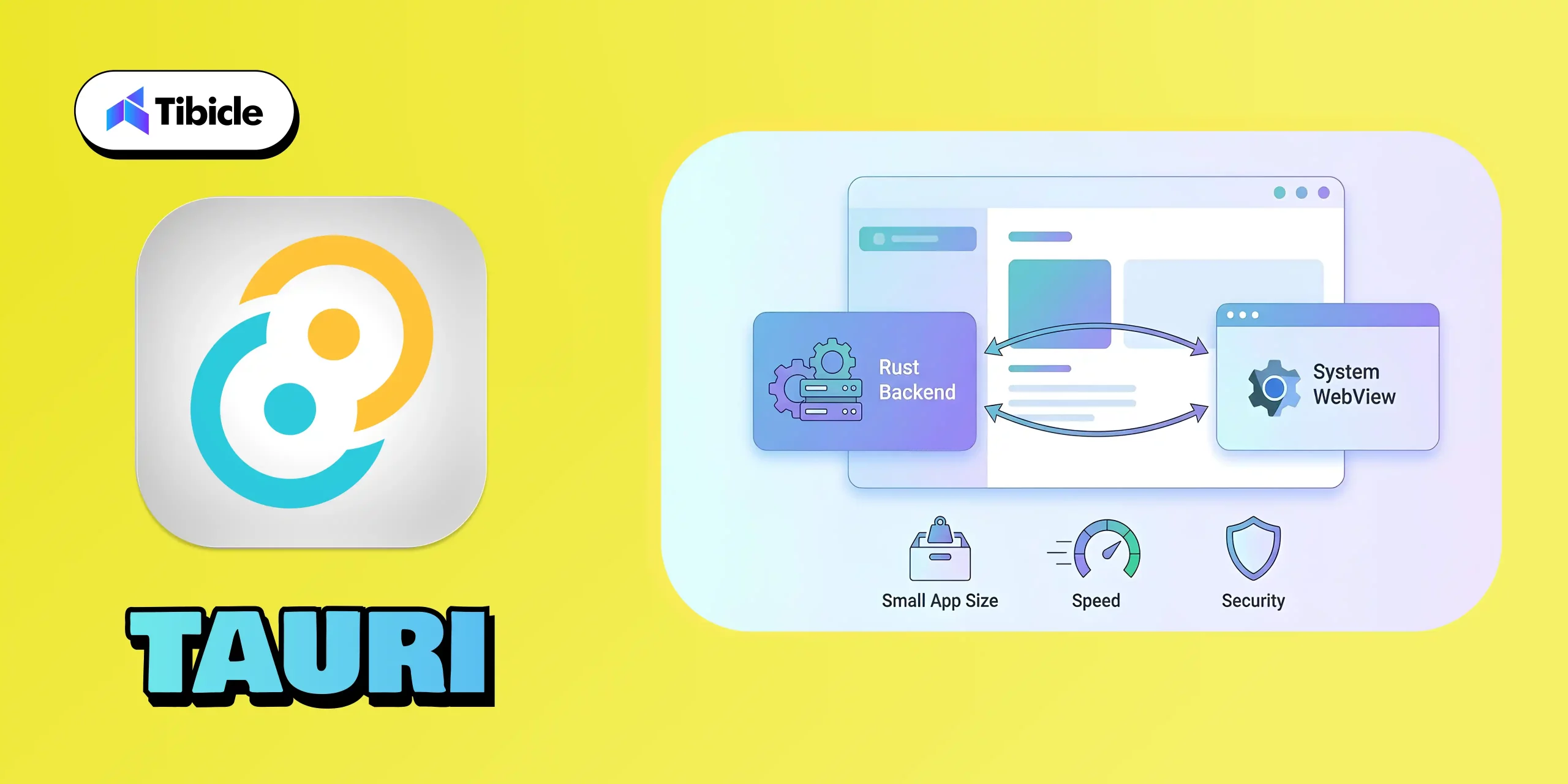
Tauri has quickly become one of the strongest modern alternatives to Electron because it focuses on speed, security, and efficiency. By using a Rust-powered backend and relying on the system’s native WebView instead of bundling Chromium, Tauri keeps apps incredibly lightweight while still delivering a smooth, native-like experience.
Its combination of small build sizes, low memory usage, and strong security makes it a top choice for developers who want fast, modern desktop apps without the heavy footprint.
What It’s Best For:
- High-performance web-based desktop apps
- Privacy-focused and secure software
- Lightweight utilities or note-taking tools
- Developers targeting all OS platforms efficiently.
Why Developers Choose It:
- Tiny Build Sizes: Apps as small as 5–10 MB compared to Electron’s 100+MB.
- Secure by Design: Rust ensures memory safety and prevents runtime crashes.
- Performance Optimized: Minimal background processes and low CPU use.
- Web-Developer Friendly: Works with React, Vue, Svelte, or any modern JS frontend.
Example Apps:
5. Qt:

Why It’s Leading:
Qt remains one of the most trusted frameworks due to its capability to provide genuine native performance across all major desktop platforms. Built in C++, Qt is engineered for applications that demand speed, precision, and reliability, which is why it remains a favorite in industries like engineering, automotive, medical devices, and advanced creative tools.
Its powerful UI system, support for complex interfaces, and capabilities in graphics, animation, and hardware acceleration make it ideal for software that needs more than just simple layouts. Whether it’s 2D dashboards or full 3D rendering, Qt handles heavy workloads with ease.
What It’s Best For:
- Engineering and design tools
- Simulation and visualization software
- Graphics-intensive or real-time systems
- Enterprise-level native desktop apps
Why Developers Choose It:
- Blazing-Fast Performance: Runs close to the hardware with native compilation.
- Rich Feature Set: Offers advanced libraries for UI, networking, and data visualization.
- Cross-Platform Flexibility: Seamlessly supports Windows, macOS, Linux, and even embedded systems.
- Professional Tooling: Includes Qt Creator IDE and Qt Design Studio for rapid prototyping.
Example Apps:
Framework Comparison Table
| Framework | Language | Platforms Supported |
| Electron | JavaScript, HTML, CSS | Windows, macOS, Linux |
| Flutter | Dart | Windows, macOS, Linux, Web, Mobile |
| .NET MAUI | C#, XAML | Windows, macOS, Android, IOS |
| Tauri | Rust + JavaScript | Windows, macOS, Linux |
| Qt | C++ | Windows, macOS, Linux |
Conclusion

The desktop app ecosystem is evolving rapidly, and selecting the right framework can significantly impact your product’s performance, scalability, user experience, and long-term success. Whether you’re looking for the lightweight efficiency of Tauri, the design flexibility of Flutter, the enterprise reliability of .NET MAUI, or the native strength of Qt, the best choice is the one that aligns with your goals and meets your users’ needs.
At Tibicle, we help organizations turn their decisions into high-performing applications. Our developers possess extensive expertise across modern frameworks, enabling businesses to create desktop software that is fast, intuitive, and future-ready.
If you’re planning your next project and want the right technical direction, we’d love to talk.
👉 Book your free consultation call from here, and let’s build your next big product together.
FAQ Section
Q1. Which desktop framework is best for beginners in 2026?
Tauri and Electron are excellent starting points for web developers transitioning to desktop development.
Q2. Which framework gives the best performance?
Performance mostly depends on use case, and all of these frameworks work best, but since Qt is built with C++, it’s safe to say it helps provide the most performance.
Q3. Is Flutter production-ready for desktop apps?
Yes, Flutter’s desktop support became significantly more stable for production use in 2026, but since Flutter Desktop was introduced recently, it’s too early to tell anything.
Q4. What framework should enterprises choose?
In my opinion, the best choice is Electron for enterprise applications because it supports Angular, Vue, React, and React Frameworks.
Schedule A Developer Interview And Get 15 Days Risk-Free Trial
Schedule a Call

Relevant Blog


Written by

Recent Blogs
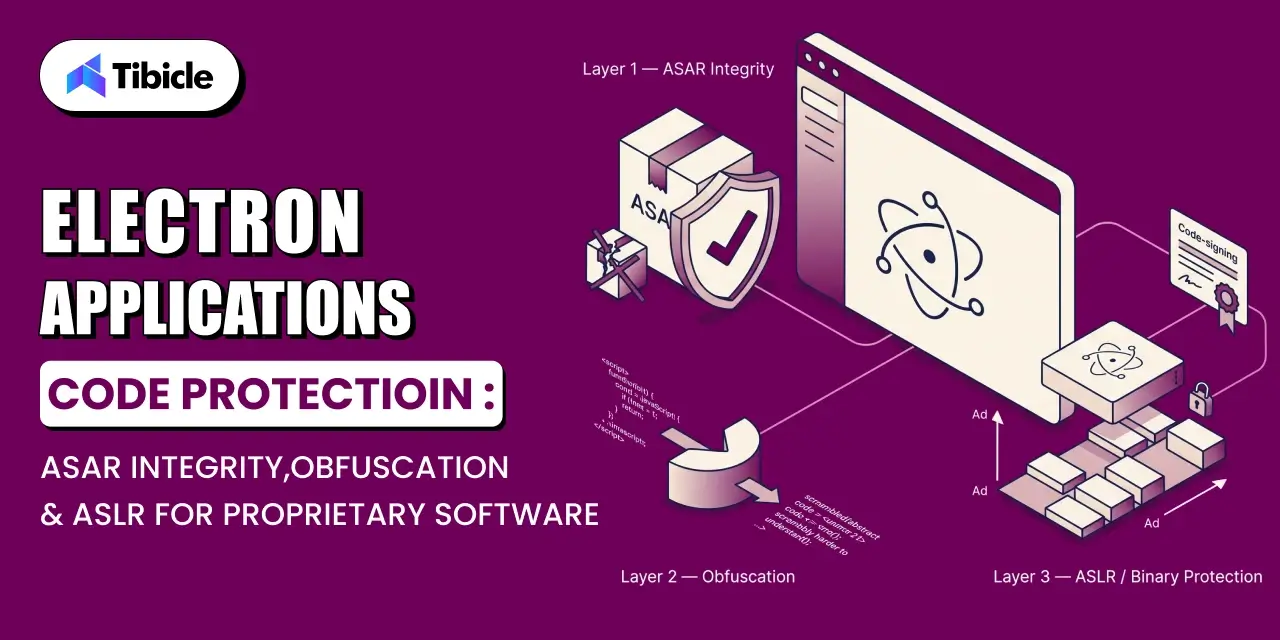
Electron App Code Protection: ASAR Integrity, Obfuscation, and ASLR for Proprietary Software
What This Guide Covers Who this is for: SaaS founders, CTOs, engineering leads, product owners, and software architects building or maintaining Electron-based desktop applications that contain proprietary business logic, licensing systems, pricing engines, or other intellectual property. Electron app code protection is especially relevant for teams shipping commercial desktop software that needs stronger protection against […]
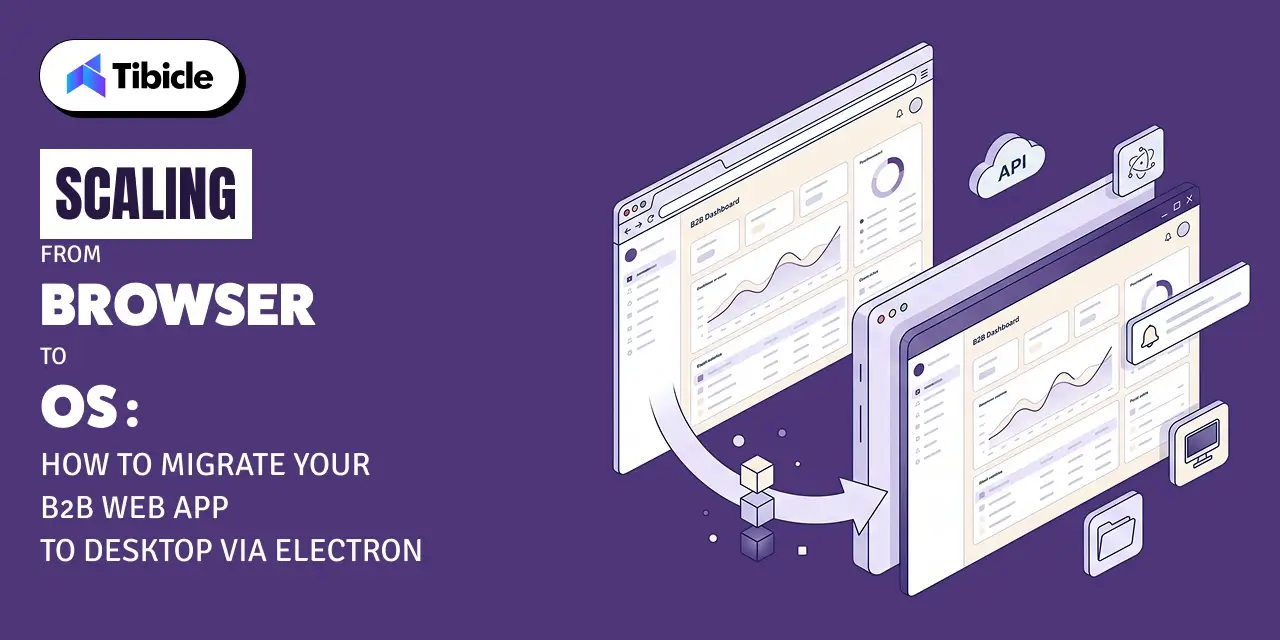
Scaling From Browser to OS: How to Migrate Your B2B Web App to Desktop via Electron
What This Guide Covers Who this is for: B2B SaaS founders, CTOs, and engineering leads with an existing web app who are evaluating whether to migrate web app to desktop Electron, along with product managers building the business case for the move. This is written for teams that already have a working web product and […]
Secure Electron App Architecture: Passing SOC 2 and GDPR Compliance Audits
What This Guide Covers Who this is for: This guide is for SaaS founders, CTOs, engineering leads, and security/compliance teams building Electron-based desktop applications that need a secure Electron app architecture. It is particularly useful for teams preparing for SOC 2 Type II audits or GDPR compliance reviews, especially those shipping apps that handle sensitive […]
Got an Idea? Get FREE Consultation
In our world, there's no such thing as having too many clients

