
AI Agents Boosting Productivity in 2026: The Future of Smart Work

Dec 03, 2025

Read in 4 Minutes
Table of Contents
- Introduction: The Shift from Hard Work to Smart Work
- The Traditional Productivity Struggle
- What Exactly Are AI Agents?
- How AI Agents Are Transforming Productivity in 2026
- Why AI Agents Are Changing the Game
- Who Can Benefit from AI Agents
- How to Get Started with AI Agents
- Challenges and Considerations
- The Future: Human + AI Collaboration
- Partner With Tibicle to Automate Your Workflow
- Key Takeaways
- Frequently Asked Questions (FAQs)
Introduction: The Shift from Hard Work to Smart Work
In 2026, the future of productivity is not just about doing more; it’s about working smarter.
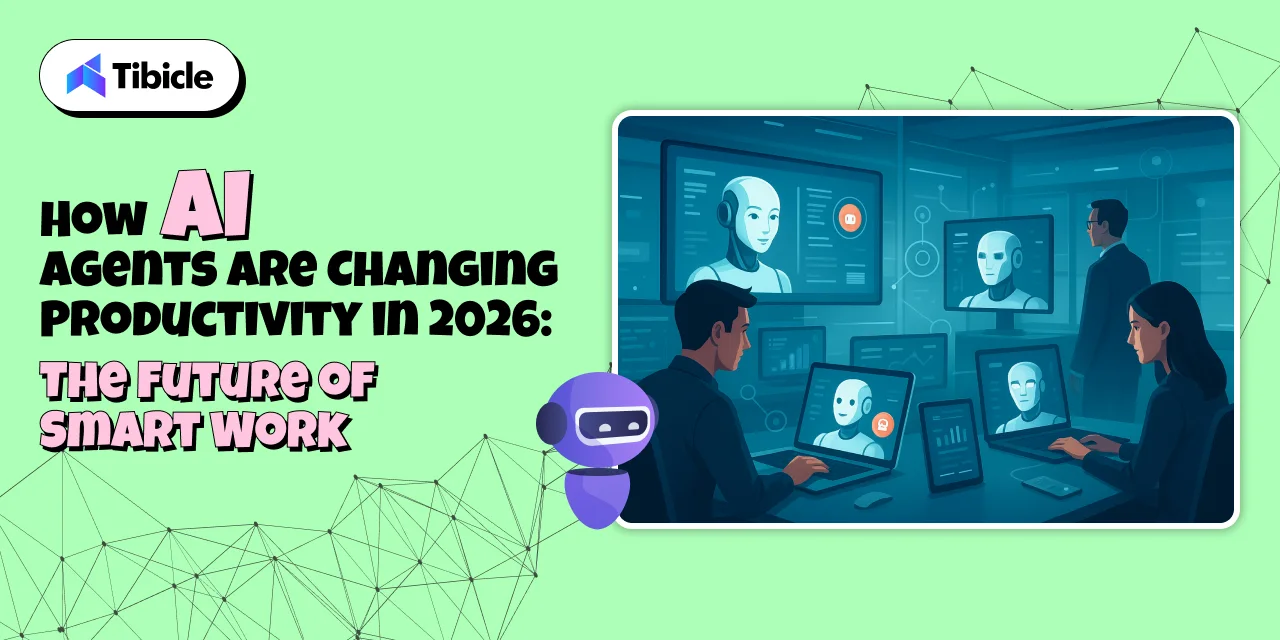
Thanks to AI agents, individuals and organizations can now delegate repetitive, time-consuming tasks to intelligent digital assistants that can plan, execute, and learn autonomously.
These AI-powered agents act as co-workers, not just tools, managing projects, scheduling meetings, analyzing data, and even making smart recommendations. The result?
A world where humans focus on creativity, innovation, and strategic thinking while AI handles the rest.
The Traditional Productivity Struggle
Before the era of AI agents, boosting productivity meant more manual work, more apps, and more hours.
People spent countless hours managing emails, meetings, and data entry, leaving little time for creativity or innovation.
Traditional productivity challenges included:
- Repetitive administrative tasks
- Poor visibility into project progress
- Constant context switching between tools
- Employee burnout from workload overload
Even with tools like Trello, Asana, or Slack, the process still required human direction.
The dream of “autonomous productivity” was missing until AI agents arrived.
What Exactly Are AI Agents?
An AI agent is more than just a chatbot or assistant. It’s an autonomous system that can perceive information, make decisions, and take action, all while learning and improving over time.
These agents use a combination of:
- Natural Language Understanding (NLU): To interpret human instructions.
- Machine Learning (ML): To learn from behavior and adapt.
- Reasoning & Planning: To decide the best course of action.
- APIs & Integrations: To connect with tools like Google Workspace, Slack, Notion, or CRMs.
They are like digital team members capable of doing everything from managing projects to writing reports.
How AI Agents Are Transforming Productivity in 2026
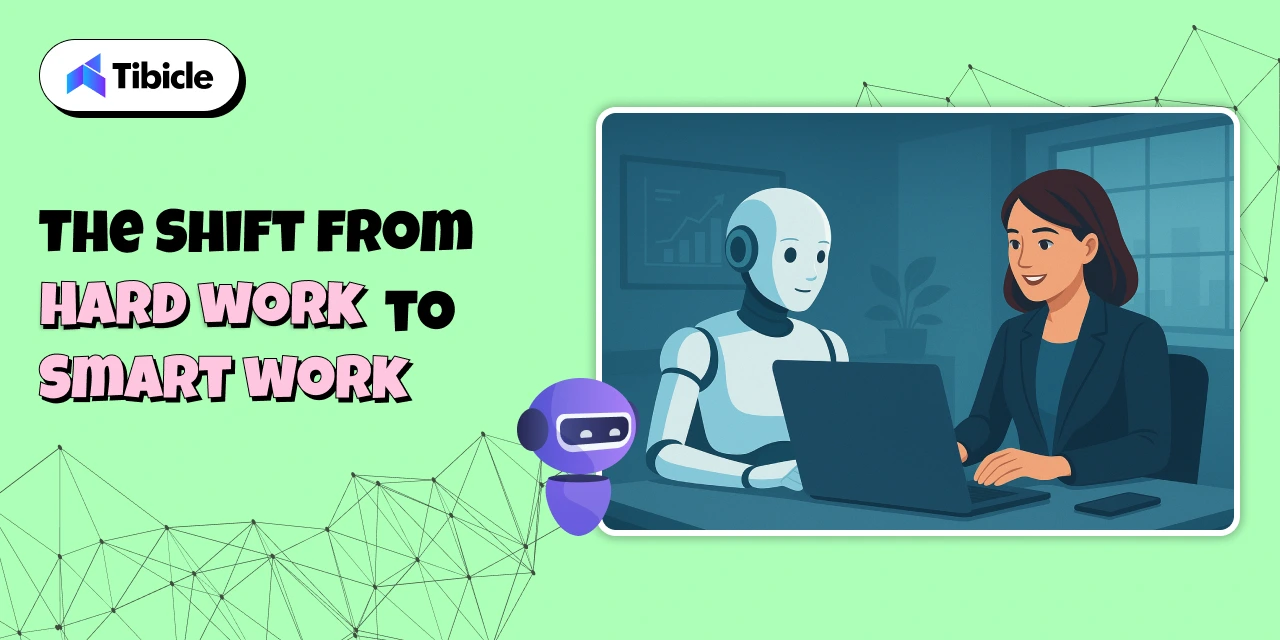
AI agents have redefined what productivity means. They’ve moved beyond reminders and automation; they’re now thinking partners that help teams achieve more in less time.
Here’s how:
1. Automated Task Execution
AI agents take over repetitive, low-value tasks so humans can focus on strategic work.
They can:
- Schedule and reschedule meetings automatically
- Draft and send professional emails
- Generate reports or presentations
- Update tasks in project management tools
- Manage data entry or documentation
💡 Example:
A marketing AI agent can write blog outlines, plan social media campaigns, generate captions, and analyze engagement metrics, freeing marketers to focus on creativity and strategy.
2. Intelligent Decision Support
AI agents don’t just automate, they analyze and advise.
Using advanced data processing, they can:
- Interpret real-time data
- Detect performance trends
- Provide actionable recommendations
💡 Example:
A sales AI agent can forecast revenue, identify high-potential leads, and suggest which deals to prioritize — enabling faster and smarter decision-making.
This is where data-driven productivity replaces guesswork with precision.
3. Seamless Cross-App Collaboration
Modern professionals juggle multiple tools, email, Slack, Notion, Google Docs, CRMs, and constantly switch between them.
AI agents integrate these apps into a single connected workflow, ensuring smooth data sharing and communication.
They can:
- Sync files automatically
- Update multiple systems simultaneously
- Create unified dashboards across tools
💡 Example:
When you upload a client proposal to Google Drive, your AI agent can automatically notify your team on Slack and log the update in your CRM.
4. Personalized Productivity
AI agents don’t follow a one-size-fits-all approach.
They learn your work style, habits, and goals to create a personalized productivity ecosystem.
They can:
- Prioritize tasks based on your focus hours
- Suggest optimal meeting times
- Remind you to take breaks when fatigue is detected
- Summarize your workday insights
💡 Example:
Your AI agent notices you’re most productive in the morning and automatically schedules deep-focus tasks before noon while postponing meetings to the afternoon.
5. Human–AI Collaboration
In 2026, AI agents aren’t replacing people, they’re collaborating with them.
Imagine a team where each member is supported by a dedicated AI partner that:
- Manages their routine
- Tracks performance
- Suggests workflow improvements
Together, these human-AI partnerships create hyper-productive environments where decisions are faster, errors are fewer, and outcomes are better.
Why AI Agents Are Changing the Game
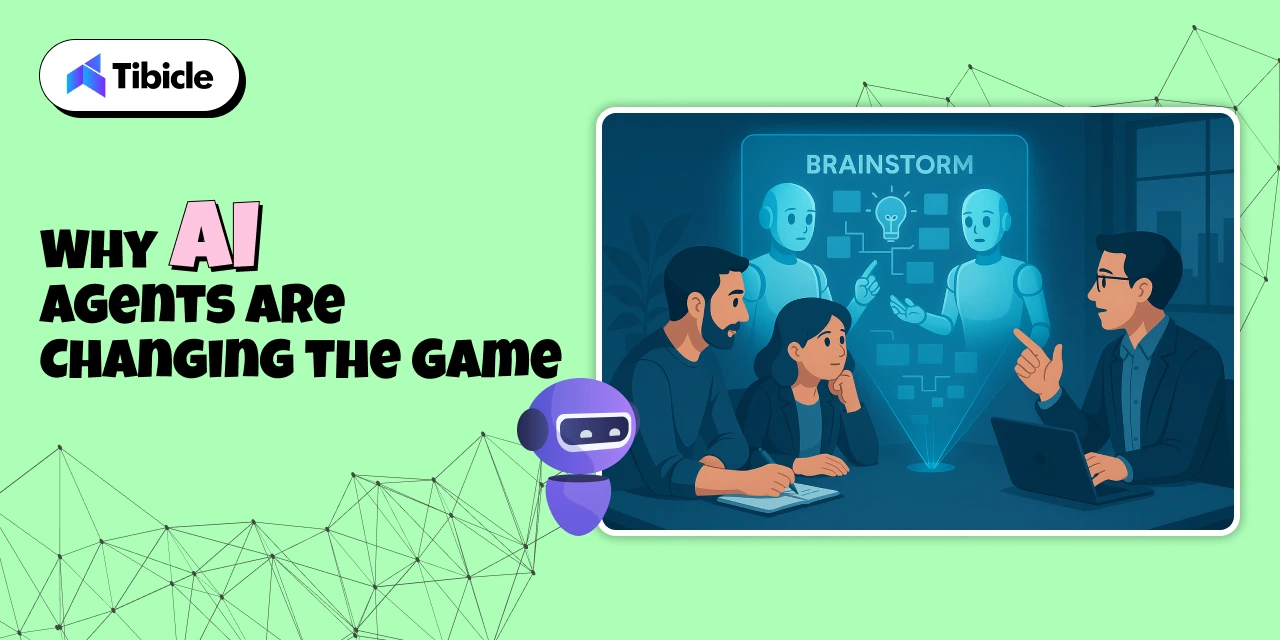
The impact of AI agents goes beyond automation; they represent a new mindset around efficiency and collaboration.
Here’s why businesses and individuals are adopting them rapidly:
1. Time Savings
What used to take hours now takes minutes. AI agents handle the grunt work, leaving humans to focus on strategy.
2. Reduced Costs
Automation cuts the need for extra hires, project delays, and repetitive human work, saving both time and money.
3. Better Data Insights
AI agents continuously analyze work patterns and results, providing real-time insights to improve performance.
4. 24/7 Availability
They never sleep. Whether it’s scheduling meetings or analyzing data, AI agents keep operations running smoothly around the clock.
5. Easy Scalability
From solo professionals to large enterprises, AI agents can scale across teams and departments effortlessly.
Who Can Benefit from AI Agents
AI agents are built for everyone, not just tech companies.
1. Startups and Entrepreneurs
Startups thrive on speed and flexibility, and AI agents deliver both.
They help founders:
- Manage customer onboarding
- Track investor communications
- Automate marketing campaigns
- Collect and analyze user feedback
💡 Example:
A founder uses an AI agent to manage leads, track sales progress, and auto-generate reports for investors.
2. Remote Teams
AI agents make remote collaboration seamless.
They can coordinate across time zones, send daily updates, and keep projects aligned.
They handle:
- Automated check-ins
- Task tracking
- Meeting scheduling
- Progress reporting
This ensures everyone stays on the same page without endless video calls or manual updates.
3. Enterprises
Enterprises use AI agents to streamline processes across HR, marketing, finance, and operations.
- HR agents can screen resumes and schedule interviews.
- Finance agents can track budgets and send payment alerts.
- Marketing agents can monitor campaign KPIs and generate weekly reports.
The result: faster decisions, leaner teams, and measurable ROI.
4. Freelancers and Solopreneurs
Freelancers often juggle multiple projects and clients.
AI agents help them:
- Manage invoices
- Send proposals
- Automate client updates
- Track deadlines
They free up creative professionals to focus on what they do best, creating, not administrating.
How to Get Started with AI Agents
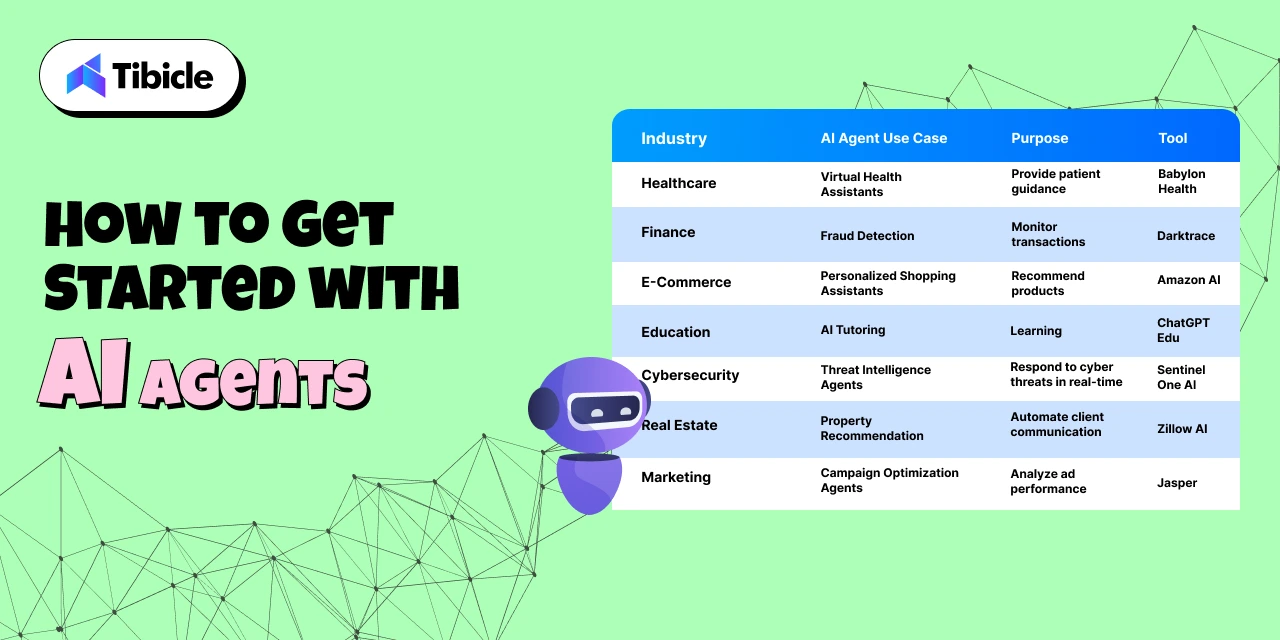
Adopting AI agents doesn’t have to be complicated. Here’s a simple roadmap:
1. Identify Repetitive Tasks
List the top 5 repetitive tasks that consume your team’s time. These are perfect for automation.
2. Choose the Right Platform
Popular AI agent platforms in 2026 include:
- OpenAI GPTs (customized for teams)
- Microsoft Copilot
- Adept ACT-1
- Anthropic Claude Agents
Choose one that integrates easily with your existing tech stack.
3. Start Small, Scale Fast
Automate one process first, like scheduling or reporting, and expand gradually.
4. Train Your AI Agent
Feed it your communication tone, preferred workflows, and business goals. The more it learns, the smarter it gets.
5. Measure and Optimize
Track how much time or cost you save monthly. Use insights to refine your AI workflows further.
Challenges and Considerations
While AI agents offer massive advantages, thoughtful adoption is key.
Potential challenges include:
- Data Privacy: Ensure your AI tools comply with data protection regulations.
- Accuracy: Always verify AI-generated results before acting on them.
- Human Oversight: AI should assist, not replace, human decision-making.
- Training Time: AI agents improve with consistent feedback and usage.
Balanced integration is crucial; combining human intuition with AI efficiency leads to the best outcomes.
The Future: Human + AI Collaboration
By 2026, we’re seeing the rise of a symbiotic workspace where humans bring creativity, and AI brings precision and speed.
AI agents will continue to evolve, learning faster, integrating deeper, and collaborating more naturally.
Organizations that embrace this shift early will experience:
- Rapid innovation cycles
- Smarter, data-driven decision-making
- Leaner, more efficient operations
Partner With Tibicle to Automate Your Workflow
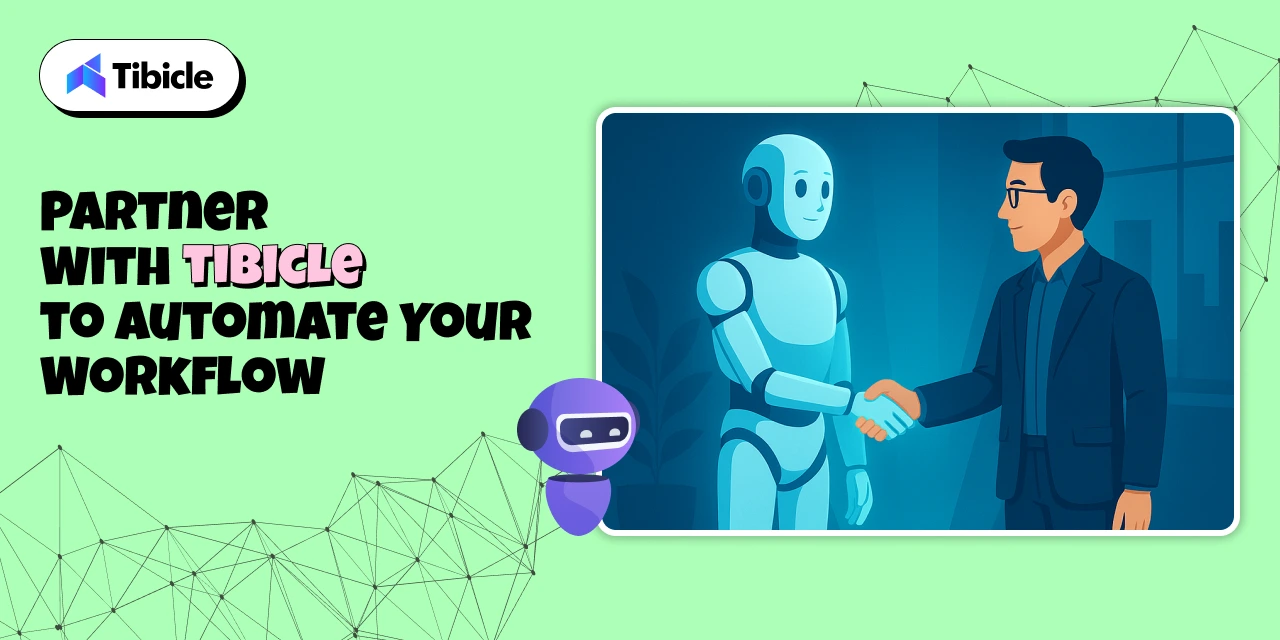
At Tibicle, we help startups, enterprises, and entrepreneurs harness the power of AI automation.
Our team specializes in building and integrating custom AI agents that boost productivity and streamline daily operations.
Here’s how we can help:
- Understand your business challenges
- Design custom AI agent workflows
- Integrate with your existing tools (e.g., CRM, Notion, Slack)
- Optimize and scale as your needs evolve
Let’s turn your business into an AI-powered productivity engine.
You can schedule a free consultation or share your project goals, and our experts will guide you step-by-step.
Key Takeaways
- AI agents automate repetitive tasks, saving time and cost
- They enable smarter, data-driven decision-making
- Perfect for startups, enterprises, and freelancers
- The future of productivity is human + AI collaboration
- Tibicle helps businesses integrate AI agents for real, measurable results
Frequently Asked Questions (FAQs)
- What exactly are AI agents?
AI agents are intelligent software systems that can understand, plan, and execute tasks autonomously, improving efficiency and reducing manual work. - How are AI agents different from chatbots?
Chatbots follow fixed rules and respond to queries, while AI agents can reason, make decisions, and perform multi-step actions across various platforms. - Can small businesses afford AI agents?
Yes! Many cloud-based AI solutions are affordable and scalable, making automation accessible even to startups and freelancers. - Do AI agents replace human jobs?
Not exactly. AI agents handle repetitive work so humans can focus on creativity, problem-solving, and innovation, leading to smarter job roles. - Which AI agent platforms are popular in 2026?
Top platforms include OpenAI GPTs, ChatGPT Teams, Microsoft Copilot, and Adept ACT-1, each offering unique automation capabilities.
Schedule A Developer Interview And Get 15 Days Risk-Free Trial
Schedule a Call

Relevant Blog
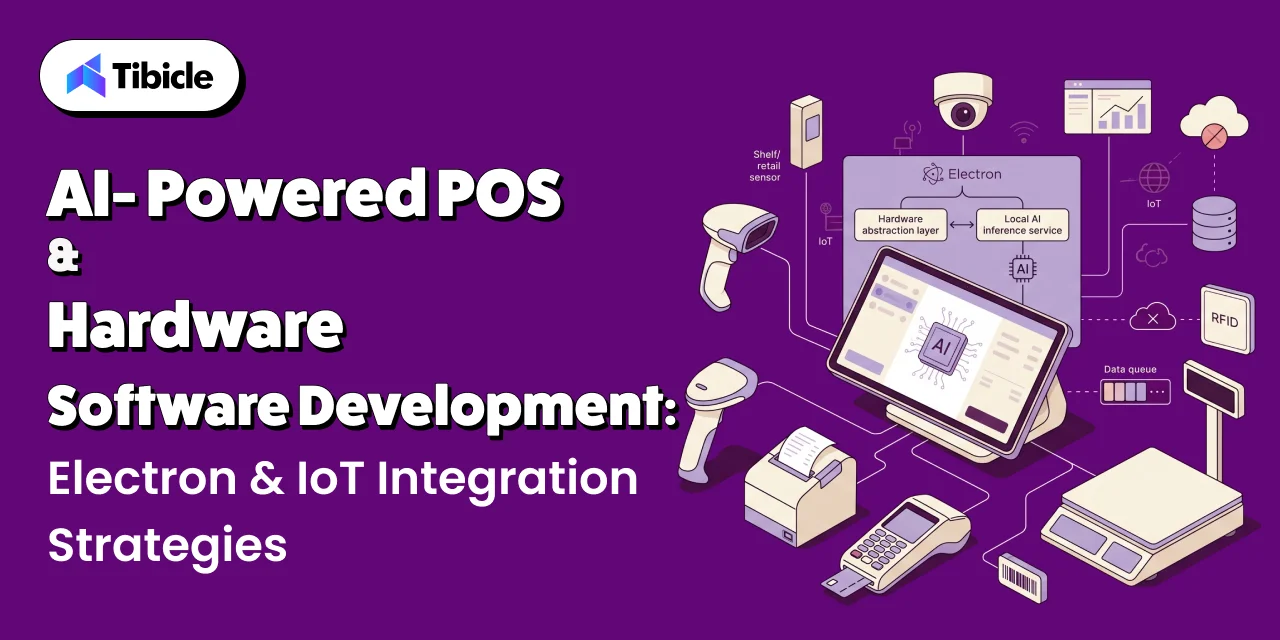
Custom AI POS Software Development with Electron & IoT

Aditya Changlani

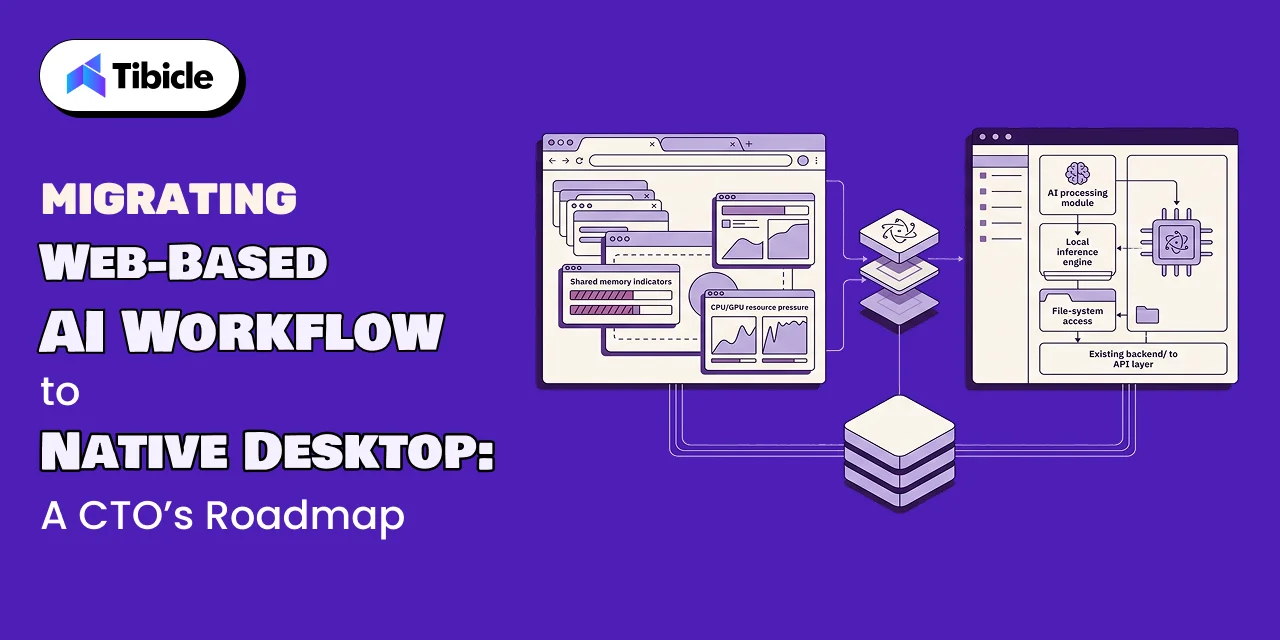
Migrate Web AI App to Electron Desktop via Electron
Aditya Changlani
Written by

Prejin Nadar
Business Development Executive
I’m Prejin Nadar, a Business Development Professional at Tibicle LLP, where I help businesses move from ideas to execution with smart digital solutions. I focus on uncovering real opportunities, simplifying decisions, and building long-term client partnerships that drive measurable growth.
Related posts
Custom AI POS Software Development with Electron & IoT
What This Guide Covers Who this is for: CTOs, retail technology leaders, and product owners at retail chains, grocery and convenience operators, and POS vendors evaluating custom AI POS software development for an AI-enabled checkout or a terminal refresh. Search intent: Understand how custom AI POS software development works, including Electron architecture, IoT integration […]
06 Oct 2026 | Aditya Changlani
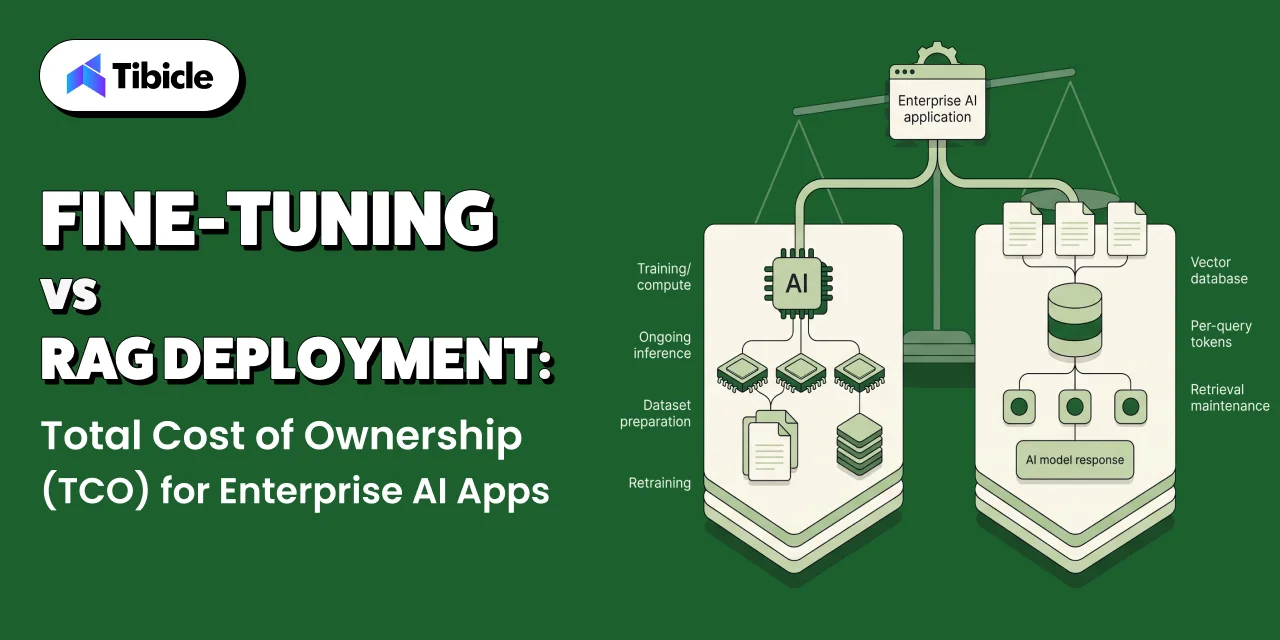
Fine-Tuning vs. RAG Deployment: Total Cost of Ownership (TCO) for Enterprise AI Apps
What This Guide Covers Who this is for Commercial investigation. The reader is comparing two viable technical approaches before a budget or architecture decision, not looking for a definition of either term. They want numbers, a framework, and a clear answer on when each approach wins on cost. Search intent Enterprise engineering leads, ML platform […]
05 Oct 2026 | Aditya Changlani
Migrate Web AI App to Electron Desktop via Electron
What This Guide Covers Who this is for CTOs, VP Engineering, and technical founders at companies running an AI feature inside a web app who are weighing whether to migrate their web AI app to Electron desktop. This applies most directly to teams where the AI workflow is central to the product, not a side […]
02 Oct 2026 | Aditya Changlani
Got an Idea? Get FREE Consultation
In our world, there's no such thing as having too many clients

Email
tea@tibicle.com

Phone
+91 9724922880