

Fragmented Fitness Data Across Devices
Step counts lived in the phone's health app, heart rate in a smartwatch, and cycling sessions nowhere at all, leaving users with no single, reliable picture of their own activity.

Case Study
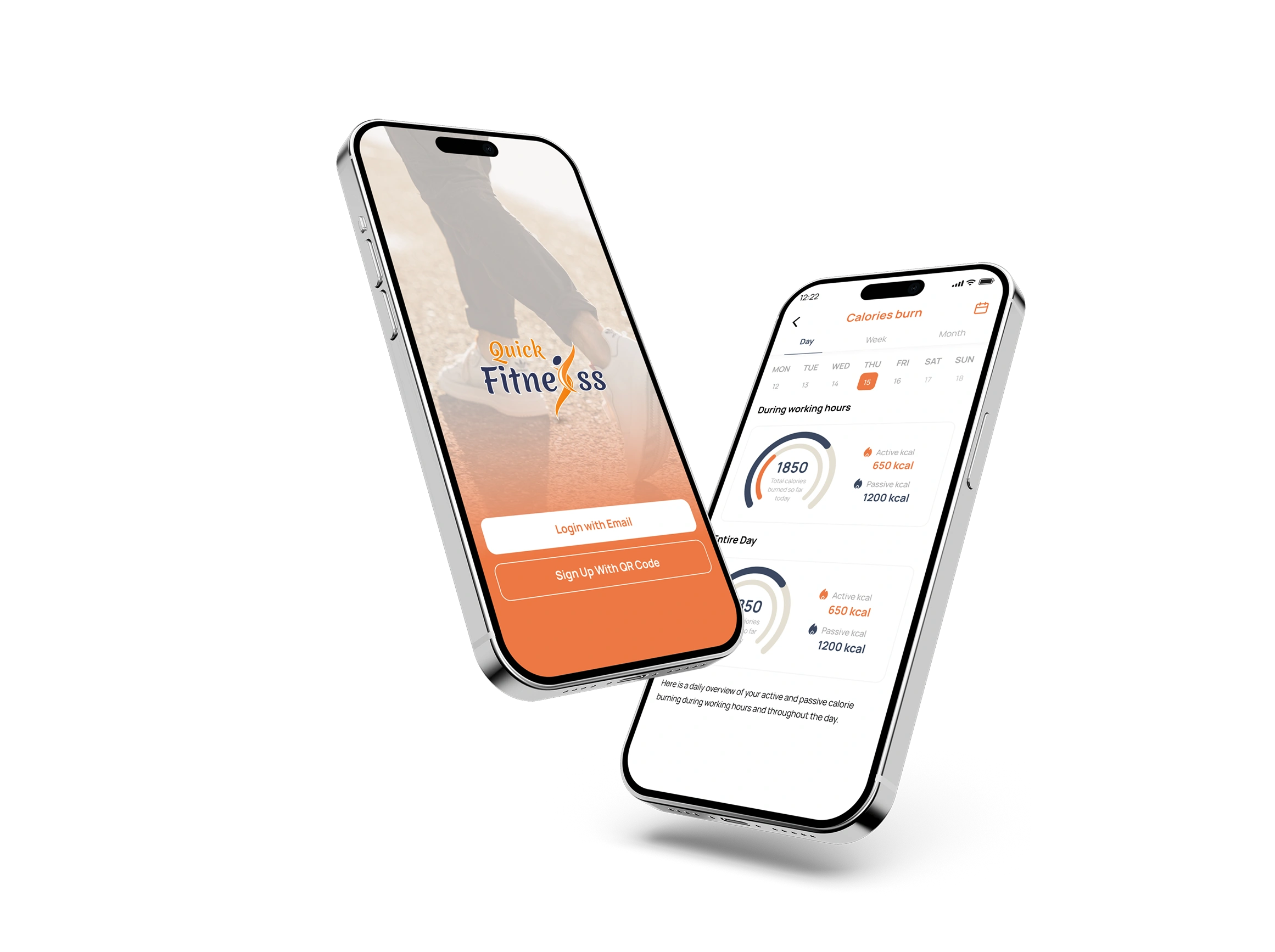
A custom-built fitness app for organizations that syncs health data from smartwatches, phones, and Bluetooth cycles, then layers challenges, goals, chat, and a live map-based leaderboard on top, giving teams one place to move, compete, and stay engaged.
Turning Scattered Fitness Data Into a Shared Organizational Experience
Step counts lived in the phone's health app, heart rate in a smartwatch, and cycling sessions nowhere at all, leaving users with no single, reliable picture of their own activity.
Traditional email-and-password signup slowed down rollout across an organization, especially for on-site users who needed quick, repeatable access without managing another set of credentials.
Phone-only tracking missed the metrics that actually matter to serious users, heart rate, workout sessions, and continuous activity data, making the numbers feel unreliable and easy to dismiss.
Cycling sessions on smart equipment had no path into any wellness program, meaning a significant share of real effort simply never got counted.
Admins had no system to create, distribute, and monitor fitness challenges, so programs ran on spreadsheets and manual follow-ups that broke down as participation grew.
Wellness apps typically saw a spike in sign-ups followed by a steep drop-off, with nothing social, competitive, or visual built in to sustain daily use.
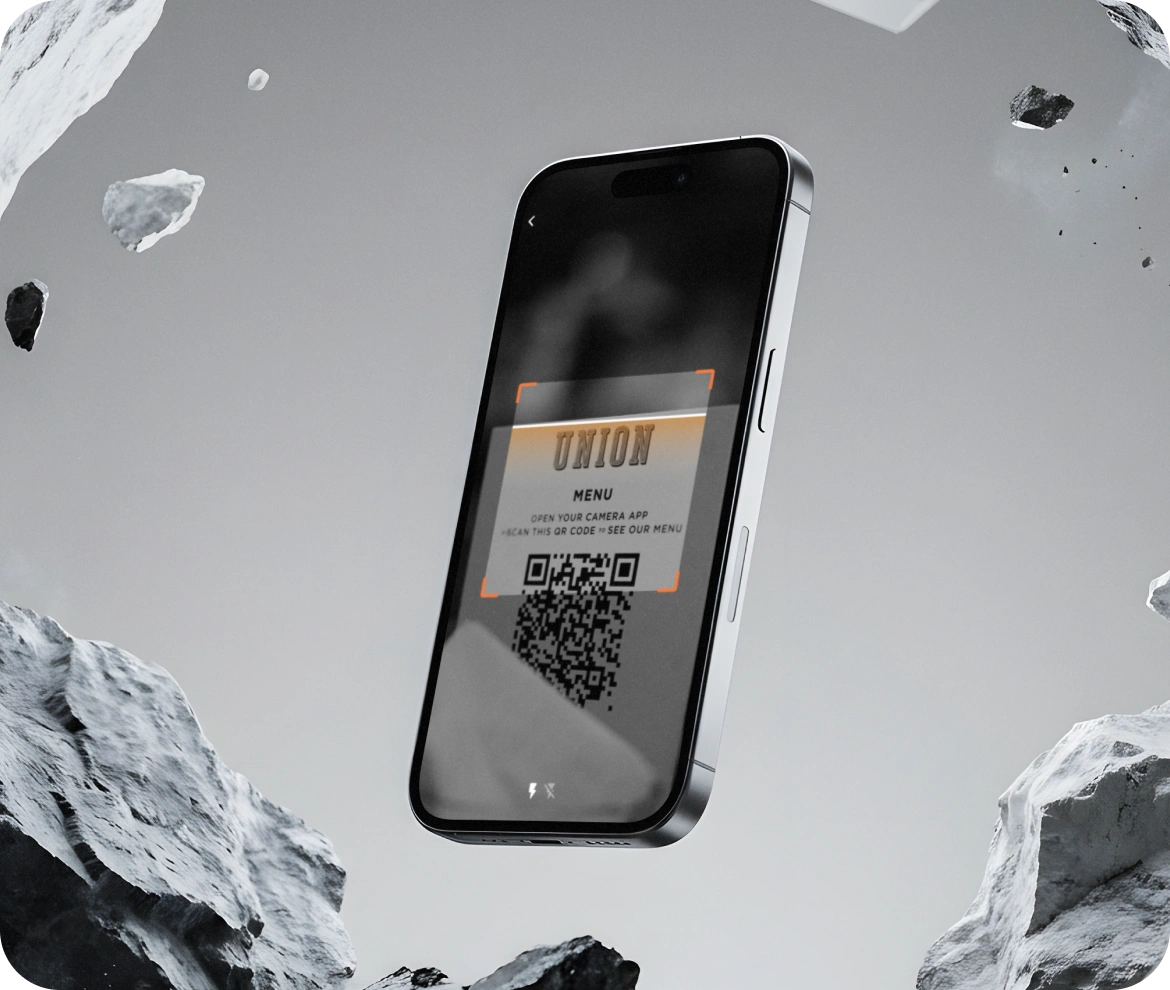
Getting into a wellness app shouldn't be the hardest part of using it. Quick fitness replaces traditional credentials with a QR scanner-based login, letting users authenticate in seconds without typing anything. Once inside, the app immediately syncs health data from the system OS, pulling step count, heart rate, and workout history from Apple Health on iOS and Google Fit on Android. The result is an app that's populated with real, personal data from the very first session, no manual setup, no empty dashboard.
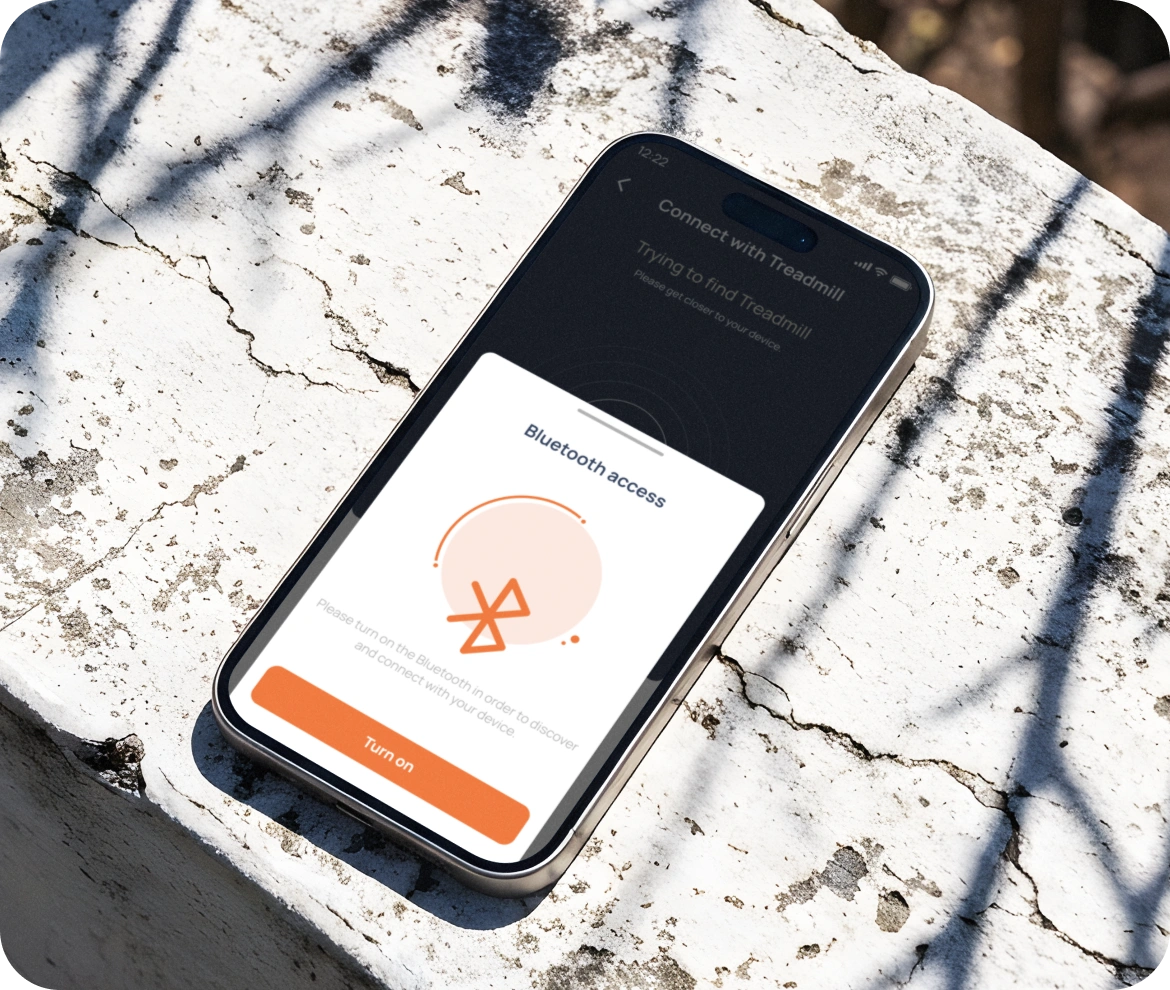
Serious users train with real equipment, and a wellness app that ignores it loses them quickly. Quick fitness integrates directly with Garmin's API to fetch fitness metrics straight from the user's smartwatch, and pairs over Bluetooth with a smart cycle to capture cycling sessions as they happen. Every source feeds the same dashboard, so a run tracked on a watch and a ride tracked on a cycle both count toward the same goals and the same challenge standings.
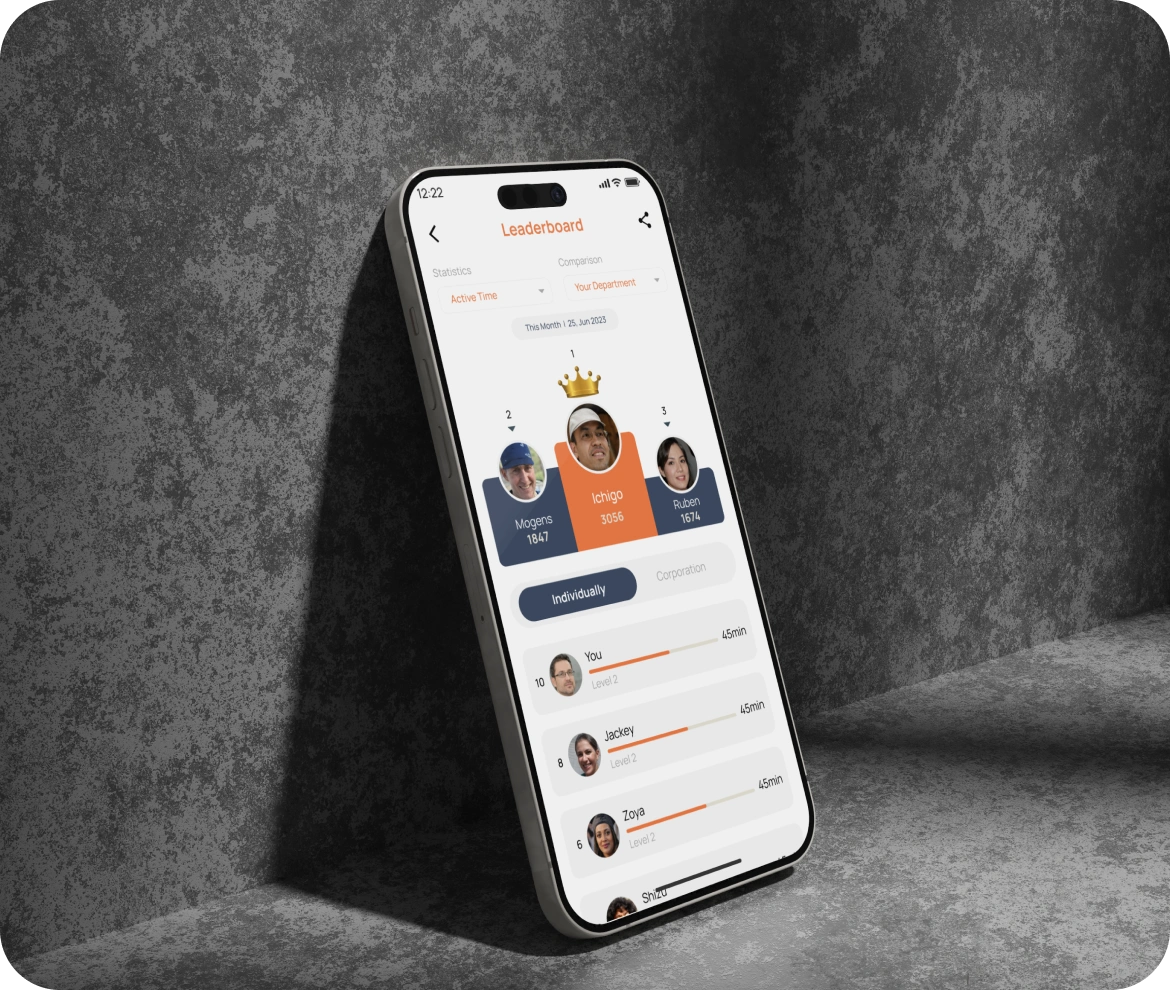
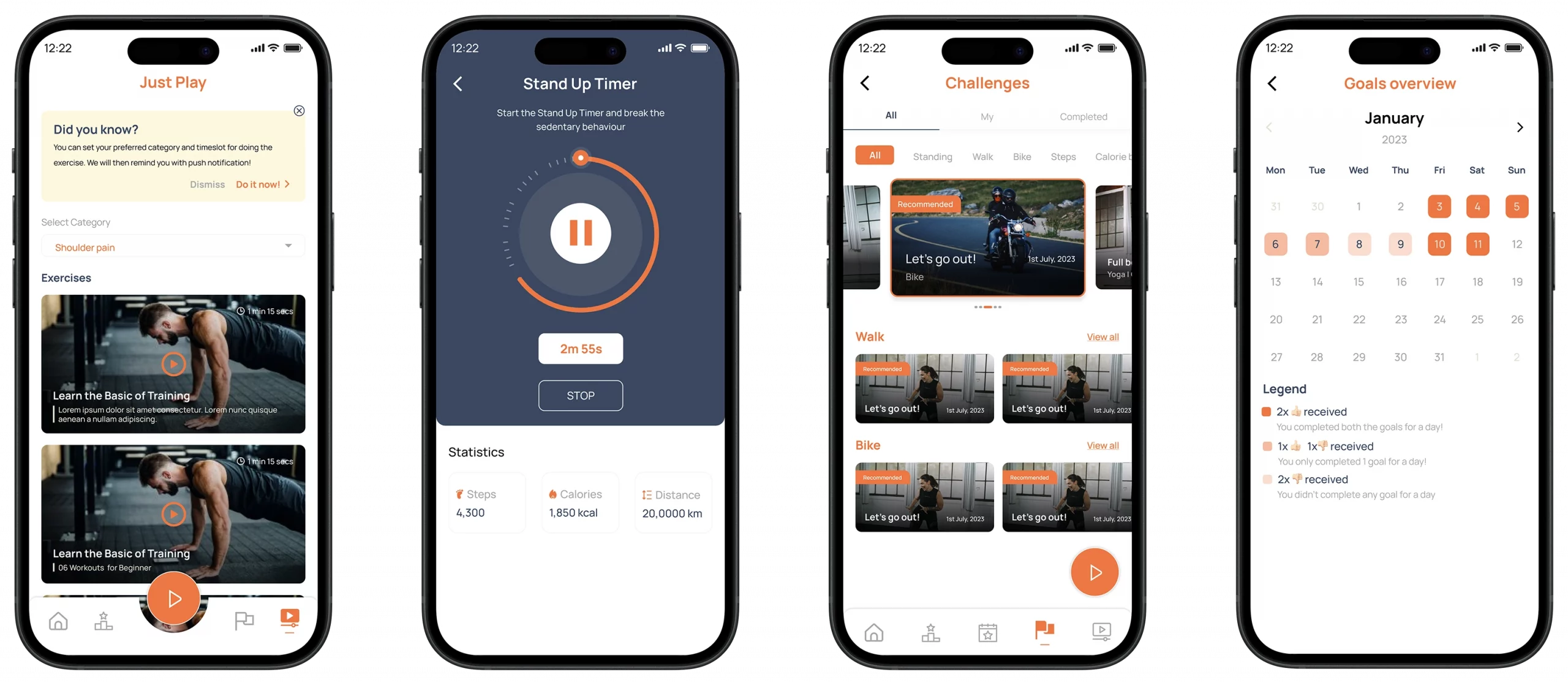
A wellness program only works if someone can actually run it. Quick fitnessgives admins a dedicated panel to create and manage fitness challenges across the organization, while users set their own personal goals alongside whatever challenge they've joined. A leaderboard tracks performance in real time, turning individual activity into visible standing, and giving admins a live view of participation instead of a spreadsheet they have to chase.
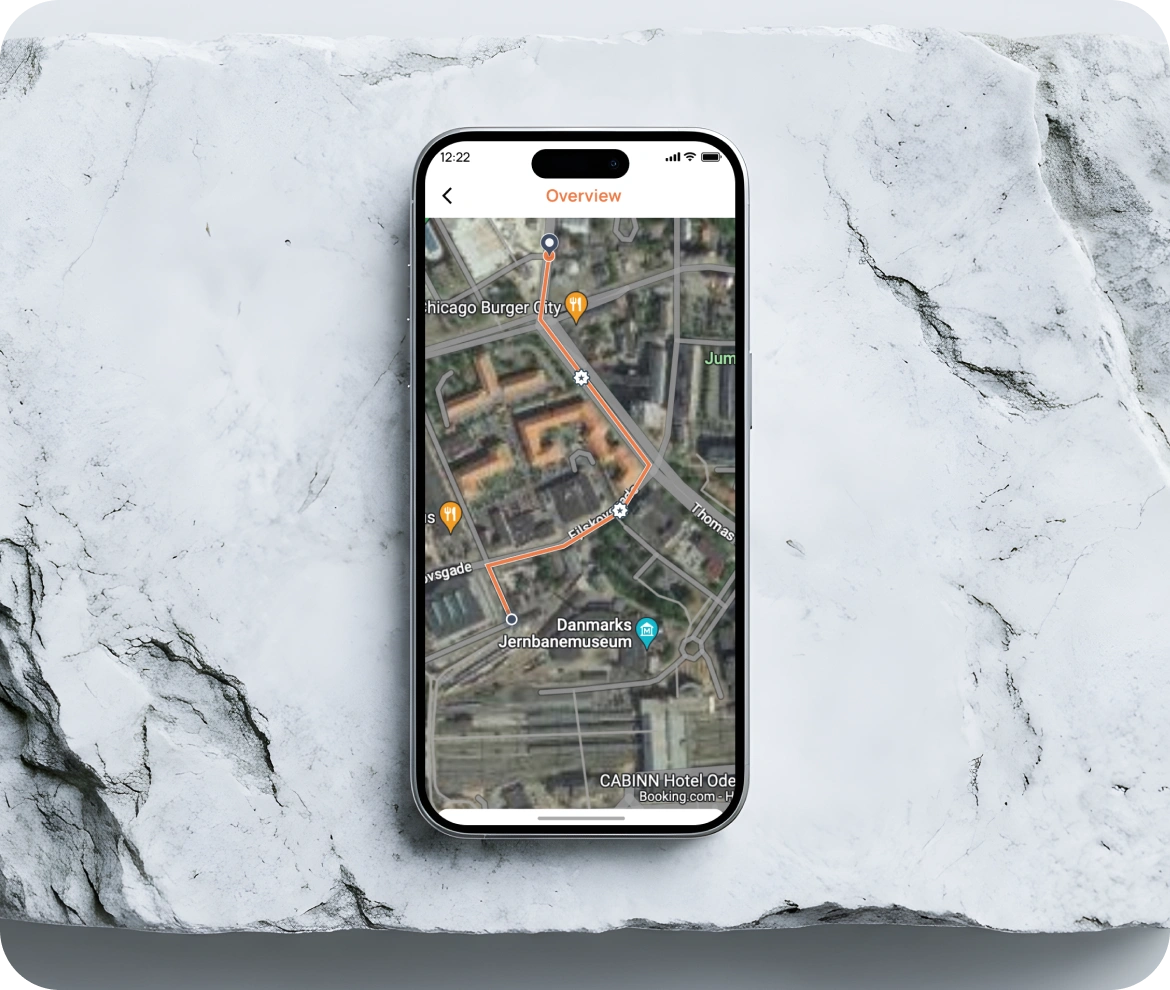
Motivation doesn't come from a progress bar, it comes from other people Quick fitness includes a built-in chat module so users can connect, encourage, and compete directly inside the app. On top of that, a Google Maps integration renders a virtual island where every participant's progress is plotted visually, showing at a glance who's closest to hitting their goal. It reframes a fitness challenge as something you can actually see moving, not just a number you check.
4
System OS health data, Garmin smartwatches, Bluetooth cycles, and in-app activity consolidated into one dashboard
3x
QR scanner-based login removed credential setup friction across organization-wide rollouts
2x
Challenges, leaderboards, and the virtual island kept users active well beyond initial signup
100%
Device and health integrations eliminated manual workout logging for connected users
In our world, there's no such thing as having too many clients